Ask ten backpackers for the must-do experiences at Lake Taupo and you’ll get ten different lists, most of them written by someone selling tickets. This one isn’t. Below are the ten things genuinely worth your time and money in 2026, ranked by how much you’d regret skipping them, with real prices, honest verdicts on which are overrated, and what each actually involves on the day. Four of the ten are free. The most expensive costs NZ$499. If you only have 48 hours here, the first four are the ones to fight for. For the wider picture of the region, start with our main guide to things to do in Lake Taupo.
Why Taupo Has So Many of Them
Around 1,800 years ago this place produced the most violent volcanic eruption on Earth in the last 5,000 years. The crater it left filled with water and became Lake Taupo — 616 square kilometres, 186 metres deep, big enough that Singapore would fit inside it. Everything on this list traces back to that event: the lake, the river draining it, the geothermal field heating the ground, the three active volcanoes an hour south.
That’s why a town of 26,000 people carries a top-ten list this strong, and why the free items compete with the paid ones. Nobody manufactured these attractions; the geology did, and most of it sits on public land. It also explains the odd shape of a Taupo trip — you’ll spend more on transport getting to things than on the things themselves.
1. Walk the Tongariro Alpine Crossing

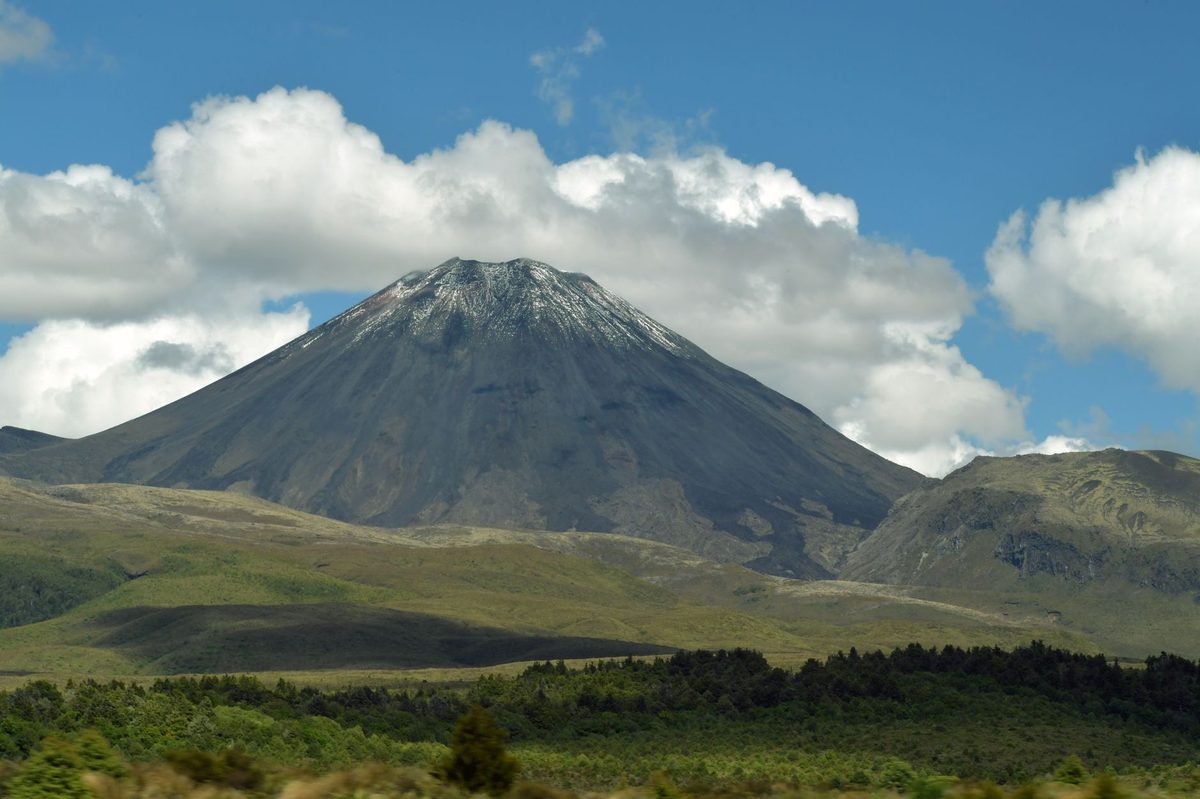
If you do one thing from this list, do this. The Crossing is 19.4km across an active volcanic landscape — up a valley, over the Devil’s Staircase, across a crater floor that looks like Mars, past sulphurous emerald lakes, then a long descent through tussock and native forest. It’s routinely called the best day hike in New Zealand and it earns that. Most people take six to eight hours.
Cost: the walk itself is free. The unavoidable cost is transport, because it’s a one-way track and you cannot park at both ends. Return shuttles from Taupo run NZ$45 to 55, with departures between about 5:15am and 7:15am. Booking: register your walk on the DOC website — it’s free, it takes two minutes, and while you won’t be turned away without it, shuttle operators require it. A small fee for international visitors is signalled for late 2027. Reality check: this is an alpine crossing, not a bush walk. People are helicoptered off it every season. Check the forecast the night before, carry warm layers, two litres of water and real food, and if the shuttle company cancels, accept it — they cancel because the mountain is dangerous that day, not because they’re being cautious.
Taupo is the best base for it: an hour and a half from the trailhead, with cheaper beds and better nightlife than Whakapapa or National Park village. Full detail is in our Tongariro Alpine Crossing backpacker guide, and the region’s other walks are covered in our hiking and walks around Lake Taupo pillar.
What the day actually looks like: a 5:15am to 7:15am pickup in the dark, an hour and a half in a van, then a flat 4km valley walk that lulls you into thinking this is easy. The Devil’s Staircase is 200 metres of steep climbing that sorts people out quickly. Then the South Crater — a flat, silent, ash-grey plain that feels genuinely otherworldly — followed by the climb to Red Crater at 1,886 metres, the high point and the coldest, windiest part of the day. From there you descend loose scree to the Emerald Lakes, which are exactly as absurd in real life as in every photograph, and smell strongly of sulphur. The last 10km is a long, knee-punishing descent that nobody warns you about. Most people find the second half harder than the first.
2. Soak in the Free Hot Pools at Otumuheke Stream
A geothermal stream drops down a rocky terrace into the Waikato River at Spa Thermal Park, forming natural pools that run to about 40°C at the top and cool as the river mixes in. There are changing rooms, toilets and a coffee kiosk. It costs nothing, the gates are open 7:00am to 8:00pm, and it’s a 25 to 30 minute walk from the town centre.
This makes the list above things costing NZ$300 because the experience is genuinely world-class and there’s no catch. Go before 9am or after 6pm to have it half-empty. Don’t submerge your head — amoebic meningitis is rare in New Zealand but it enters through the nose, and every geothermal pool in the country carries the same warning. Bring jandals; the rock is sharp. More options in our guides to free hot springs in Taupo and free things to do in Taupo.
3. Stand Over Huka Falls
The Waikato River is 100 metres wide upstream of Huka. Then hard rock squeezes it to about 15 metres and drops it 11 metres, pushing roughly 220,000 litres a second through the gap. There’s a footbridge directly over the chute and the volume of water moving beneath you is unsettling in a way photographs completely fail to convey.
Cost: free, including parking. How to do it properly: don’t drive. Walk the riverside track from Spa Thermal Park, about 3km and 45 to 60 minutes each way on an easy formed path beside the river, then finish with a soak at Otumuheke on the way back. That single loop is the best free day in the North Island. Go early — by 10:30am the falls car park is full of coaches. Trail detail is in our Huka Falls walk guide.
4. Watch the Aratiatia Dam Release
The least-known great experience in Taupo. The Aratiatia dam holds the Waikato back, leaving a dry rock canyon below. Several times a day the gates open and over about 15 minutes the canyon fills, turning into a churning whitewater gorge, then empties again. Three free viewing platforms sit along a short walking track.
Times: 10:00am, 12:00pm, 2:00pm and 4:00pm from October to March; 10:00am, 12:00pm and 2:00pm from April to September. Arrive 10 minutes early. Cost: free. Catch: it’s 13km north of town with no public transport, so you need a lift, a bike or a hitch — this is the one free highlight that’s awkward without wheels. Check current times before you commit the trip, since they change with river conditions.
Worth understanding what you’re actually watching. The Waikato is New Zealand’s longest river and this section is dammed for hydroelectricity, so the canyon below sits nearly dry most of the day. The release is a scheduled spill, which means you’re watching an industrial operation that happens to be spectacular. The top platform gives you the wall of water arriving; the lower ones let you watch the canyon fill around you. Fifteen minutes later it drains and the rock is bare again, which is somehow the most impressive part. If you’re picking one, take the 2:00pm release — the light is better and it runs year-round.
5. Skydive Over the Lake

Taupo calls itself the skydiving capital of the world, and on volume it has a fair claim. More importantly for you, it’s the cheapest quality tandem skydive anywhere — the same jump costs half again as much in Queenstown. You get the lake, the volcanoes and, on a clear day, both coasts of the North Island at once.
Cost in 2026: around NZ$279 at 9,000ft, NZ$329 at 12,000ft, NZ$359 at 15,000ft and NZ$499 at 18,500ft, with a 15% surcharge on public holidays. Which height: 15,000ft is the sweet spot — roughly 60 seconds of freefall against about 45 at 12,000ft, for NZ$30. The jump to 18,500ft needs supplementary oxygen and is a lot of money for a few more seconds. The hidden cost: photo and video packages run NZ$150 to 250 on top, which nobody mentions until you’re back on the ground and euphoric. Decide before you jump. Practical note: book for your first morning in Taupo, not your last. Jumps get scrubbed for cloud and wind constantly, and you want spare days to reschedule. Full comparison in our Taupo adventure activities guide.
6. See the Mine Bay Maori Rock Carvings
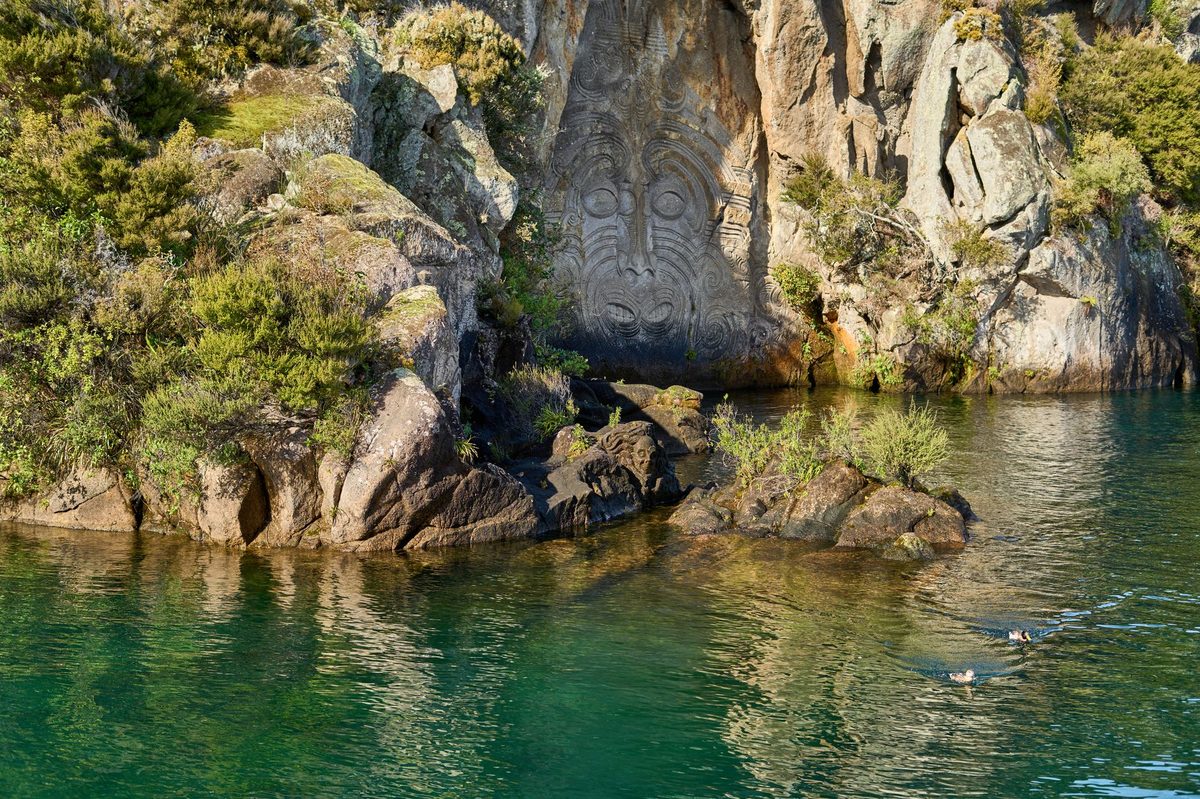
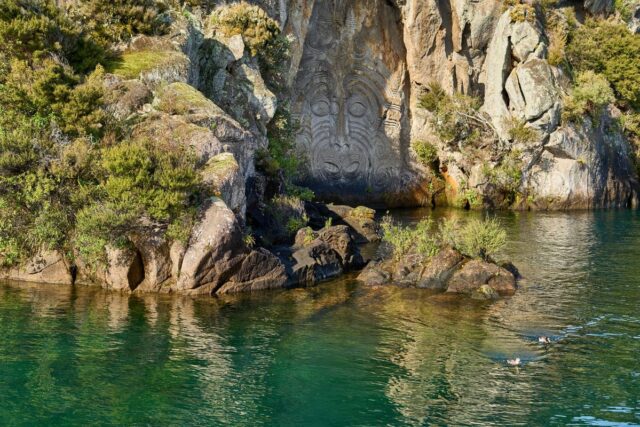
A 14 metre face carved into a cliff above deep water in the late 1970s by master carver Matahi Whakataka-Brightwell, honouring Ngatoroirangi, the tohunga who guided the Te Arawa canoe to New Zealand and, in tradition, called the fire that created the region’s geothermal field. It is not an ancient site and it is not a tourist prop — it’s a serious contemporary work in a place that matters.
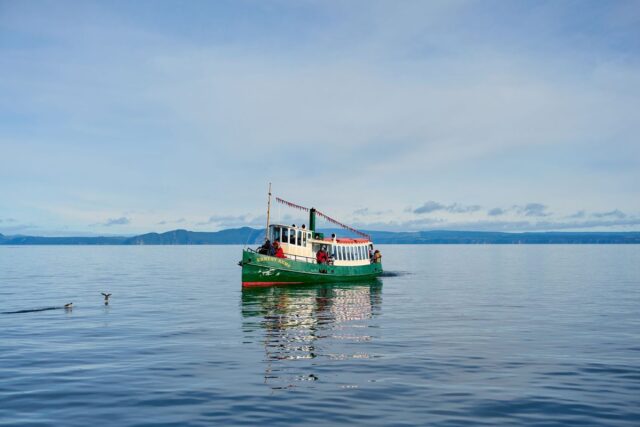
Cost: there is no free way to see it. No road, no track, no lookout. A scenic cruise runs from about NZ$59 for 90 minutes including a hot drink; a sailing catamaran costs more and is far better; a guided kayak trip runs NZ$120 to 160 for around four hours and is the version people talk about afterwards, because you approach at water level under your own power and usually swim at the bay. Verdict: if you’re choosing one paid non-adrenaline experience in Taupo, this is it. Kayak if you can afford it, cruise if you can’t. Background in our pillar on Maori culture, history and volcanic heritage of Lake Taupo.
7. Jump or Swing at Taupo Bungy
A 47 metre bungy from a cantilevered platform over the Waikato River, with the option of a water touch, plus the Cliffhanger swing — a 44 metre drop into a 70kph arc across the gorge. The setting does a lot of work here: you’re over turquoise water in a narrow canyon rather than dangling above a car park.
Cost in 2026: the bungy from around NZ$162, a bungy and swing combo from about NZ$244; combo deals with a 12,000ft skydive have run near NZ$633. Honest take: if you’re going to spend money on one adrenaline activity, the skydive is better value per dollar and a bigger experience. The swing, though, is the sleeper — cheaper than the bungy, more sustained, and more fun with two people. Free version: the viewing platform is open to the public at no charge, and watching is a genuinely good half hour.
8. Take a Jet Boat to the Base of Huka Falls
Thirty minutes on the Waikato at up to 80kph, with 360° spins, ending nose-in at the churning base of Huka Falls where you get the view no walking track offers — looking up into the chute from water level. Boats leave hourly between 9am and 5pm.
Cost: roughly NZ$95 to 130 per adult depending on operator and booking channel, with photo add-ons extra. Rapids Jet, which runs the lower river near Aratiatia, is a different and rougher ride, sometimes cheaper. Verdict: good, not essential. If your budget stretches to one water activity and you already plan to see Huka on foot, put the money into the rock carvings kayak instead. If you have kids or nervous travellers with you, the jet boat delivers the thrill with none of the commitment — see our Lake Taupo with kids guide. Other options are in our Lake Taupo water activities guide.
9. Fish for Trout on the Lake

Lake Taupo is one of the world’s great wild trout fisheries and the reason a lot of people come here at all. Rainbow and brown trout run large, the season is year-round on the lake, and you cannot buy trout in a New Zealand shop or restaurant — the only way to eat one is to catch it, which makes this rarer than it sounds.
Licence: Taupo has its own fishery district and a standard Fish and Game licence does not work here. Charter operators typically supply a day licence for about NZ$20 to 25 for adults. Cost: shared charters start around NZ$45 to 90 per person for a few hours with tackle included, and most hostels can point you at the cheap ones. Free version: fly fishing from the shore at the Waitahanui river mouth costs only the licence, and the hostels know who has spare gear. Full detail in our fishing on Lake Taupo pillar.
10. Ride the Great Lake Trail

One of New Zealand’s Great Rides, and the W2K section — Whakaipo Bay to Kinloch, 14km through native bush with clifftop lookouts over the lake — is the piece most visitors do. It’s rideable in two to three hours, walkable in about three, and it’s free to use.
Cost: the trail is free; the logistics aren’t. Bike hire runs NZ$50 to 80 a day and a W2K shuttle is around NZ$65 to 75 per person, less in a group of three or more. Cheaper alternative: Craters MTB Park in the Wairakei Forest has about 50km of trails 10 minutes from town, threading past steam vents, and only asks for a few dollars as a Bike Taupo visitor membership that funds trail maintenance. For most backpackers that’s the better ride-to-cost ratio. Free alternative: walk out to Whakaipo Bay and do a return section on foot — no shuttle, no hire, same views.
Honourable Mentions
Things that nearly made the list, and what they cost. Craters of the Moon: NZ$10.20 adult for a boardwalk through a steaming crater field — excellent value and worth an hour, covered in our Craters of the Moon walk guide. Taupo DeBretts: around NZ$24 for developed hot pools and hydroslides, which is fine, but Otumuheke is free. Hole in One Challenge: NZ$1 a ball to hit at a floating green 100 metres out on the lake, with NZ$10,000 for an ace — the best dollar you’ll spend in Taupo. Huka Prawn Park: NZ$24 adult and firmly a family activity. Floatplane flights: from about NZ$147 for 10 minutes up to NZ$665 over Ruapehu’s crater lake — spectacular and completely out of backpacker range. Mount Tauhara: a free two to three hour climb to the best lookout in the district, in our Mount Tauhara summit track guide.
Must-Dos by Type of Traveller
The generic top-ten list assumes everyone wants the same trip. They don’t.
If you’re solo: the Crossing and the skydive are both better alone than you’d expect — you’ll be surrounded by other people doing the same thing and the shuttle van is one of the easiest places in New Zealand to fall in with a group. Skip the jet boat, which is a shared-thrill activity that lands flat by yourself. The rock carvings kayak is excellent solo. More in our Taupo solo travel guide.
If you’re travelling as a couple: the swing beats the bungy because you can do it tandem, the sailing trip to the carvings beats the motorised cruise, and the free Spa Park to Huka walk finishing with a sunset soak is the best evening in town for no money at all.
If you’re not into adrenaline: you can do this entire list minus the skydive, bungy and jet boat and still have a full, excellent week. Taupo is unusual among New Zealand adventure towns in that the scenery, not the activities, is the main event. Substitute the fishing charter, the Great Lake Trail on foot and Craters of the Moon.
If you’re on a hard budget: do items 1 to 4 and stop. That’s the Crossing, Otumuheke, Huka and Aratiatia — four of the region’s genuine highlights for the price of one shuttle fare, roughly NZ$50 all in.
What’s Overrated in Taupo
Useful to know so you spend your days on the right things. Taupo DeBretts is a perfectly good thermal pool complex, but paying NZ$24 for developed pools in a town with free natural ones 25 minutes’ walk from the hostels is a decision worth thinking about. Wairakei Terraces has beautiful silica formations but the price stacks up fast once you add the adults-only pools, and Craters of the Moon delivers more geothermal drama for NZ$10. Huka Prawn Park charges NZ$24 for what is essentially a prawn farm with a fishing pond — good with children, thin without. The Huka Falls scenic cruises that motor upriver toward the falls cover ground you can walk for free, though they do suit anyone who can’t manage the 3km each way.
And a note on the town itself: Taupo is not Queenstown, and the nightlife is a handful of good pubs rather than a scene. That’s a feature if you’ve just come from a party hostel and want to sleep. It catches people out who booked a week expecting more.
Getting to These Experiences Without a Car
Roughly half this list is walkable from central Taupo and half isn’t, which shapes your planning more than anything else. Walkable: Otumuheke Stream and Spa Thermal Park, Huka Falls via the riverside track, the lakefront, the bungy viewing platform, the Hole in One Challenge. Not walkable: Aratiatia Rapids at 13km, Whakaipo Bay at 12km, the Craters MTB Park, the airport for skydiving, and obviously the Tongariro trailhead.
Adventure operators mostly run free courtesy pickups from town or the i-SITE, so the skydive, bungy and jet boat solve their own transport. Everything else needs a hostel bike, a hitch or a shared ride — and hostel noticeboards and common rooms are genuinely how most people get to Aratiatia. Our getting to Taupo transport guide covers arrivals and local options, and if you’re combining Taupo with the wider region, see day trips from Taupo.
How to Fit These Into Your Trip
If you have one day: walk Spa Park to Huka Falls and back, soak at Otumuheke, and get to the 2:00pm Aratiatia release if you can find a lift. All free, and you’ll have seen the three things that define the place.
If you have two days: add the Tongariro Alpine Crossing. It eats a full day and you will be useless the evening after, so plan nothing else around it and check the forecast to pick which of your two days to use.
If you have three or four days: add one paid experience. Skydive if you want the adrenaline, the rock carvings kayak if you want the memory. Doing both costs roughly NZ$500 and is a legitimate way to spend your Taupo budget if you skip restaurants.
If you have a week: everything above, plus the Great Lake Trail, a fishing trip, and a day doing nothing but swimming and reading on the lakefront — which, ask anyone who’s been, is the part they actually miss. Structured plans are in our 3-day, 5-day and 7-day Taupo itineraries.
Booking, Timing and Money
Book adventure activities for early in your stay. Skydives, jet boats and the Crossing all get cancelled for weather, and operators reschedule rather than refund. If it’s booked for your last morning and the cloud sits low, you lose it. Our Taupo weather guide explains the pattern.
Ask about backpacker rates. Most operators discount through hostels, BBH and YHA cards, or last-minute booking sites, and the walk-in price is rarely the best price. Combo deals across operators — bungy plus skydive, cruise plus jet — routinely save NZ$80 to 110.
Budget the extras. Photo packages on adrenaline activities run NZ$150 to 250 and are sold at the worst possible moment for your judgement. Decide beforehand whether you want them. Our Taupo backpacker budget breakdown has the full cost picture, and where to stay in Taupo covers which hostels have the best activity desks.
Frequently Asked Questions
What is the number one must-do experience in Lake Taupo?
The Tongariro Alpine Crossing. It’s a 19.4km day hike across an active volcanic landscape, widely considered New Zealand’s best single-day walk, and Taupo is the most practical and affordable base for it. The walk is free; a return shuttle from Taupo costs NZ$45 to 55 and needs booking, along with a free DOC registration.
How much do the must-do experiences in Taupo cost?
Four of the top ten are free: Otumuheke Stream hot pools, Huka Falls, the Aratiatia dam release and the Tongariro track itself. Paid highlights in 2026 run from about NZ$59 for a rock carvings cruise, NZ$95 to 130 for a jet boat, NZ$162 for the bungy, and NZ$279 to 499 for a tandem skydive depending on altitude.
How many days do you need in Taupo?
Three days is the practical minimum to cover the highlights: one for the free walking and geothermal loop, one for the Tongariro Alpine Crossing, and one spare for a paid activity or for weather to reschedule a cancelled skydive. Five days lets you add the Great Lake Trail, fishing and time on the lakefront without rushing.
Is skydiving in Taupo worth it?
Taupo is among the cheapest places in the world for a quality tandem skydive, at roughly half the equivalent Queenstown price, with volcanoes and the lake beneath you. The 15,000ft jump at around NZ$359 gives about 60 seconds of freefall and is the best value of the altitudes offered. Budget separately for the photo package, which is NZ$150 to 250 extra.
Can you see the Maori rock carvings without paying?
No. The Ngatoroirangi Mine Bay carvings are on a cliff above deep water with no land access, so a boat, sailing trip or guided kayak is the only way to reach them. Cruises start around NZ$59 and guided kayak trips run NZ$120 to 160. Free Maori cultural sights in Taupo include the lakefront pou and the Ora Garden at Taupo Museum.
What is the best time of year for Taupo’s must-do experiences?
December to March gives the warmest lake, the most reliable Tongariro Alpine Crossing conditions and four Aratiatia releases a day, but the highest prices and crowds. April, October and November are the best compromise: quieter trails, cheaper beds and mostly workable weather. In winter the Crossing needs alpine gear and a guide, though the geothermal pools are better than ever.
Final Thoughts
The pattern worth noticing in this list is that the free experiences aren’t filler at the bottom — they’re at the top. Taupo’s best day costs nothing, its best hike costs a shuttle fare, and the paid adrenaline is the extra rather than the point. Book the weather-dependent things early, put your money into one or two experiences rather than spreading it thin, and leave an afternoon completely unplanned. That’s usually the one people describe when they get home.
Back to the main guide: for everything the region offers, head back to our full guide to things to do in Lake Taupo.