Five days is my favourite length for Taupo. It’s long enough to hike the Tongariro Alpine Crossing, wander a steaming geothermal valley, paddle to thousand-year-old Maori rock carvings, and still keep a spare day up your sleeve for when the mountain weather turns. This 5 day Lake Taupo backpacking itinerary lays out exactly what I’d do each day, where to sleep, how to get around without a car, and what it all costs in NZD. If you’re still mapping out the bigger picture, start with our Lake Taupo backpacking guide and come back here for the day-by-day.
Why five days is the sweet spot for Taupo
Three days covers the highlights and nothing more. Five days lets you actually breathe. You get a proper recovery day after the crossing (trust me, your quads will be shot), a full day for the geothermal stuff, and — the big one — a spare day if the weather closes the Tongariro track. That last point is the whole game. The crossing is exposed alpine terrain, and a single-day window is a gamble. Plenty of backpackers give the region two days, get rained out, and leave without ever seeing the Emerald Lakes. With five, a bad forecast just means you shuffle the plan.
It’s kinder on the wallet too. Spread your shuttle and hostel costs over more nights and the per-day average drops, and you’ve got time to lean on the free stuff — Huka Falls, Aratiatia Rapids, Spa Park’s hot springs, the lakefront walkway — instead of stacking paid activities into a frantic 48 hours. If you want the full spending picture, our Taupo daily costs guide goes line by line.
The five days at a glance
Here’s the shape of the week before we get into the detail:
- Day 1: Arrive in Taupo, Huka Falls walk, Spa Park hot springs, explore the lakefront
- Day 2: Tongariro Alpine Crossing (full day — 7 to 8 hours hiking)
- Day 3: Recovery day — Great Lake Walkway, Aratiatia Rapids, Taupo town exploration
- Day 4: Craters of the Moon, kayak to Maori rock carvings, evening at the lakefront
- Day 5: Mountain biking or Great Lake Trail, Waikato River trails, departure
Day 1: Arrival, Huka Falls, and natural hot springs
Morning: getting to Taupo and settling in
Most backpackers roll into Taupo on the InterCity bus — around 4.5 hours from Auckland (typically $25–$45 NZD if you book ahead) or roughly an hour from Rotorua ($15–$25 NZD). The bus drops you in the town centre, an easy walk from nearly every hostel. Driving instead? Taupo sits about 275 km south of Auckland on State Highway 1, a 3.5-hour trip. For the full rundown of routes and passes, see our guide to getting to and around Taupo.
Check in and dump your bag. The usual backpacker picks are Tiki Lodge, Haka Lodge, and Rainbow Lodge, with dorm beds around $28–$35 NZD a night. Every one has a communal kitchen, so swing by Pak’nSave or Countdown on the way in and stock up — self-catering saves you a genuine $20–$30 a day over eating out, and over five days that adds up fast.
Afternoon: the Huka Falls walk
Huka Falls is Taupo’s most-visited natural sight, and it costs nothing. The Huka Falls Walkway leaves the Spa Park car park and traces the Waikato River upstream for about 4 km — an easy hour through native bush to the falls. When you get there, more than 220,000 litres a second are forcing through a narrow rock channel and dropping 11 metres into a churning turquoise pool. Stand on the platform and you’ll feel the mist. It’s one of the best free things to do in Lake Taupo, and it doesn’t get old.
Short on legs after the bus? Drive straight to the Huka Falls car park and it’s a 10-minute stroll to the main viewpoint. Either way, give it about two hours with photo stops.
Late afternoon: Spa Park natural hot springs
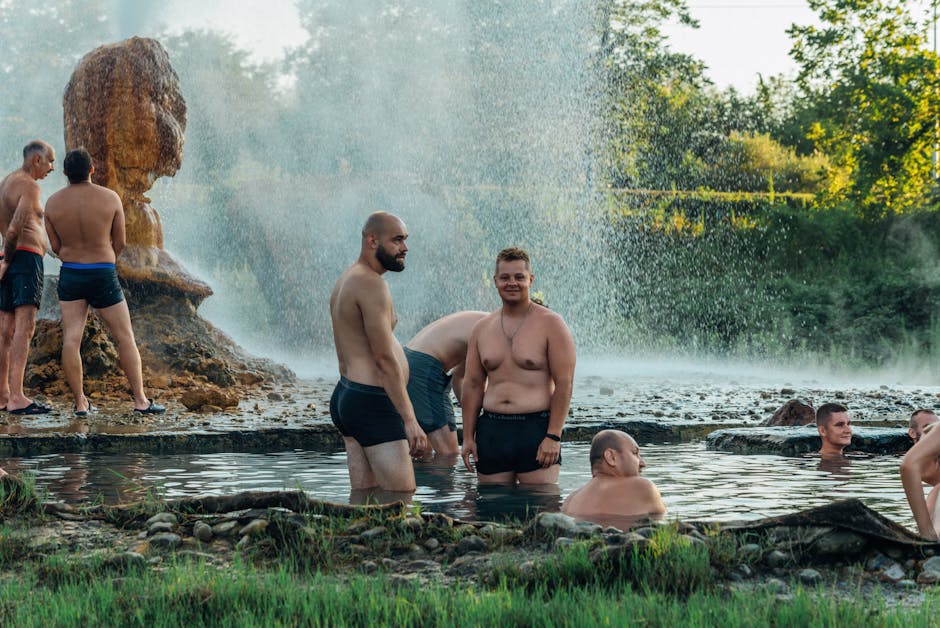
From the falls, backtrack to Spa Park where the Otumuheke Stream spills into the Waikato River. Geothermal water flows in here and warms the shallows — a free, natural soak. The knack is finding the spot where the hot thermal water blends with the cooler river; just shuffle around until it feels right. Bring a towel and your togs and settle in. Honestly, this is one of the best free experiences anywhere in New Zealand, and it’s the perfect way to close out day one. It’s covered in more depth in our roundup of geothermal attractions around Lake Taupo.
Evening: lakefront wander
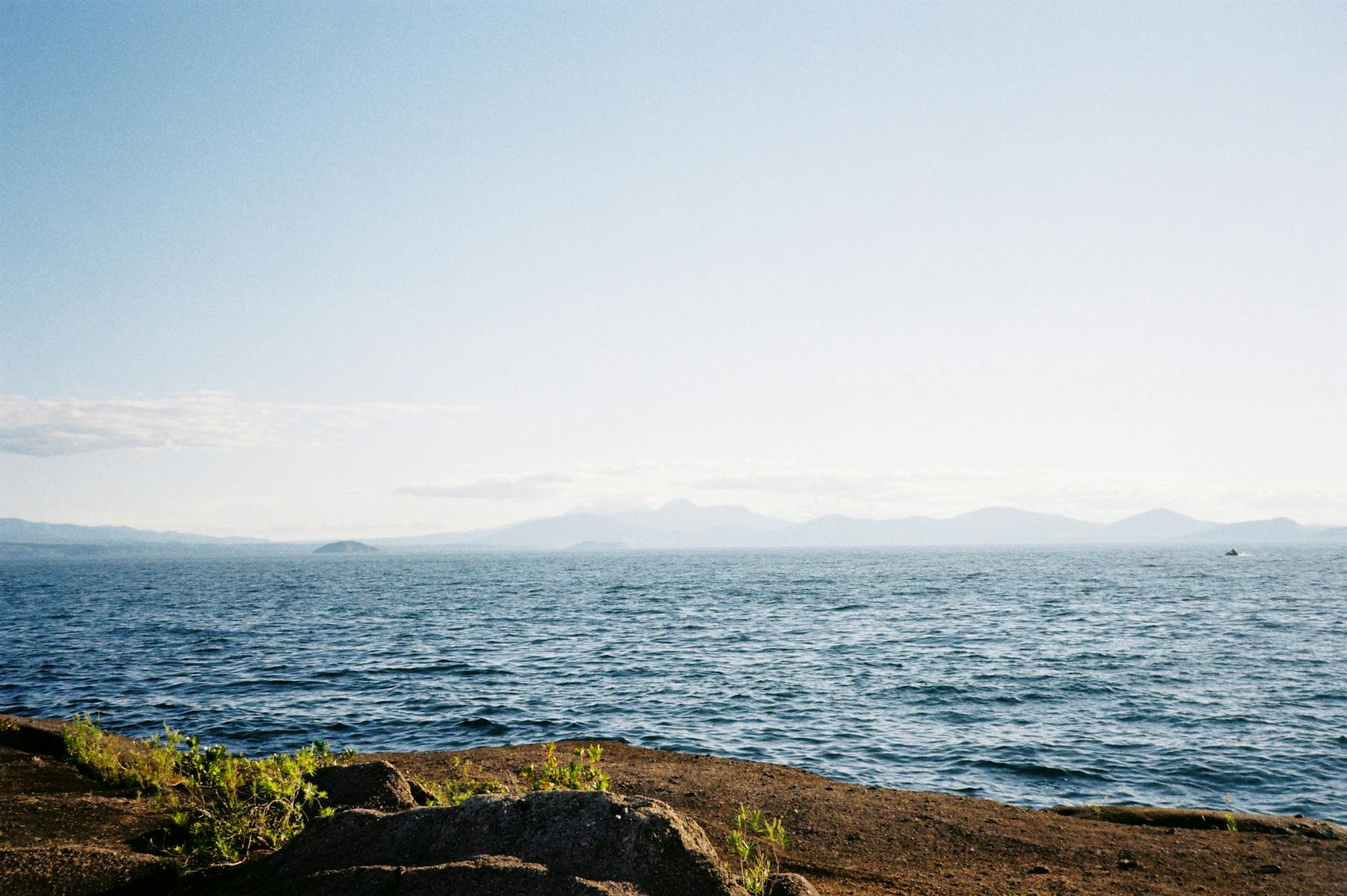
Walk the Taupo lakefront for sunset. Looking across the water to the volcanoes of Tongariro National Park in golden light is the kind of thing that sells you on the whole country. Grab a cheap feed from the takeaways on Horomatangi Street, or cook at the hostel with what you bought earlier. Most hostels have a social common room — that’s your best source of fresh Tongariro conditions for tomorrow, straight from people who did it today.
Day 1 estimated costs: Transport to Taupo $25–$45, hostel dorm $28–$35, groceries $15–$20; Huka Falls and Spa Park are free. Total: roughly $68–$100 NZD.
Day 2: The Tongariro Alpine Crossing
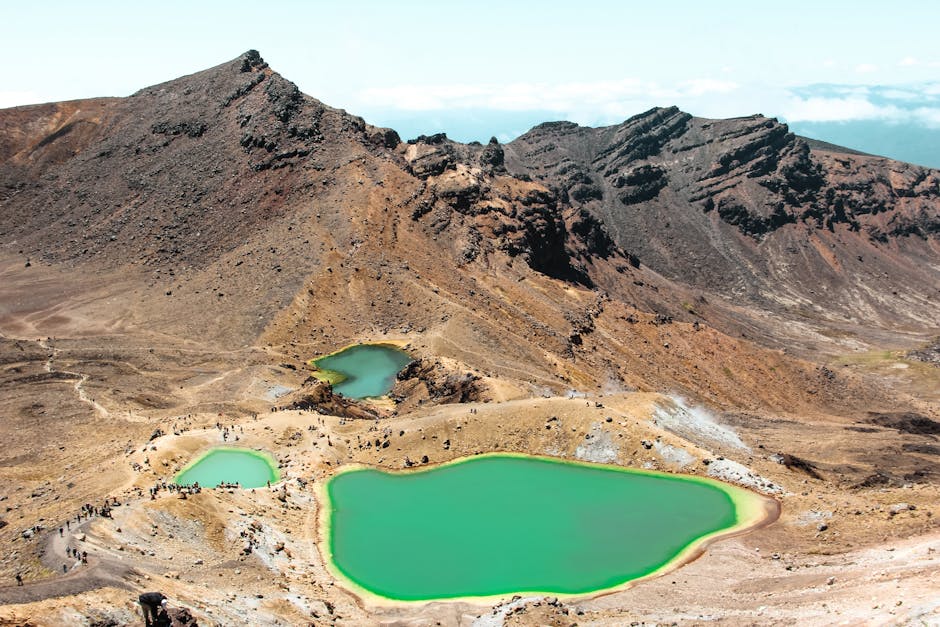
This is the big one. The Tongariro Alpine Crossing gets called one of the best single-day hikes on the planet, and it’s the reason most people put Taupo on the map. The 19.4 km point-to-point takes you through steaming vents, emerald crater lakes, a blood-red crater, and alpine views that genuinely don’t look like Earth. If hiking is your main reason for coming, our full Lake Taupo hiking and walks guide covers the other trails worth your boots too.
Getting there: shuttle logistics
The crossing is one-way, Mangatepopo car park to Ketetahi, so you can’t just leave a car at one end — you need a shuttle. Several operators run returns from Taupo, from around $45–$55 NZD per person. Tongariro Crossing Shuttles and Tongariro Expeditions are the well-known ones. They usually leave Taupo between 5:30 and 6:30 am, and it’s about an hour each way. Book at least a day ahead, and definitely in summer (November to April) when they fill.
One thing I can’t stress enough: this hike is weather-dependent. The Department of Conservation closes the track in severe conditions, and above 1,500 metres the weather flips fast. Check the DOC Tongariro Alpine Crossing page and the MetService mountain forecast the evening before and again that morning. This is exactly why five days matters — if day 2 is a write-off, swap it with day 3 or day 4 and go later.
The hike itself
Most fit backpackers take 7 to 8 hours. You’ll climb roughly 760 metres and drop about 1,100. Here’s how it breaks down:
- Mangatepopo Valley (1–1.5 hours): A gentle warm-up across boardwalk and tussock, easing you into the volcanic landscape
- Soda Springs to South Crater (1–1.5 hours): The hardest stretch — the Devil’s Staircase climbs roughly 350 metres in a series of switchbacks
- South Crater to Red Crater (30–45 minutes): Across the flat crater floor, then up to the highest point of the day at 1,886 metres
- Red Crater to Emerald Lakes (20–30 minutes): The famous scree descent to the Emerald Lakes — brilliant green pools coloured by dissolved minerals
- Blue Lake to Ketetahi (2–3 hours): A long drop through tussock and bush, with Lake Taupo opening up ahead of you as you go
What to pack for the crossing
Carry at least 2 litres of water (there’s none safe to drink on the track), high-energy snacks and lunch, a waterproof jacket and warm layers no matter what the forecast says, sunscreen and a sun hat, sturdy boots with ankle support, and a headlamp just in case you run late. Full kit list in our Lake Taupo packing list.
Day 2 estimated costs: Shuttle $45–$55, hostel $28–$35, packed lunch from the hostel $5–$10. Total: roughly $78–$100 NZD.
Day 3: Recovery day — lakefront walks and Aratiatia Rapids
After the crossing your legs will want mercy. Day 3 is built around flat walks, free sights, and letting the muscles come back while you still see plenty.
Morning: the Great Lake Walkway
Ease in on the Great Lake Walkway, a flat path hugging the Taupo shoreline. The full thing runs about 10 km from Five Mile Bay to the boat harbour, but walk whatever feels good. It threads past parks, beaches, and picnic spots with the lake on one side the whole way. On a clear morning you’ll pick out Ruapehu, Ngauruhoe (Mount Doom, if you’re a Lord of the Rings type) and Tongariro — the same peaks you crossed yesterday, from a very different angle.
It’s flat, mostly paved, and suits everyone. Free, with public toilets and drinking fountains along the way. Two to three hours is plenty for a relaxed out-and-back.
Midday: Aratiatia Rapids
Head about 10 km north to the Aratiatia Dam. A few times a day the gates open and a near-dry gorge turns into roaring white water in minutes. Timings shift with the season: in summer (October to March) the gates open at 10 am, 12 pm, 2 pm, and 4 pm; in winter (April to September) it’s 10 am, 12 pm, and 2 pm. Confirm the current schedule with Love Taupo before you go.
There are three lookouts along the gorge; the lower one gives you the most dramatic view of the surge. Get there 10 to 15 minutes early for a good spot. The whole thing takes about half an hour and, again, it’s free — one of the best free attractions in the North Island.
Afternoon: Taupo town
Spend the afternoon poking around town. Wander the shops on Horomatangi and Tongariro Streets, drop into the Taupo Museum (koha/donation, they suggest $5 NZD), and hunt down the street murals dotted through the centre. Fancy a swim? The lakefront beaches by the boat harbour are clear and free.
This is also a good afternoon for Taupo DeBretts Hot Springs if you want the developed hot-pool experience — around $30 NZD for adults, with several thermal pools, waterslides, and a big warm swimming pool. That said, on a backpacker budget, Spa Park’s free springs do the same job for your muscles, so head back there for another soak if you’d rather keep the cash.
Day 3 estimated costs: Hostel $28–$35, food $15–$20; the main activities are free. Total: roughly $43–$55 NZD.
Day 4: Craters of the Moon and kayaking to the Maori rock carvings
Day 4 stacks two of Taupo’s most distinctive experiences: a walk through a live geothermal field, and a paddle across the lake to carvings you can only reach by water.
Morning: the Craters of the Moon geothermal walk
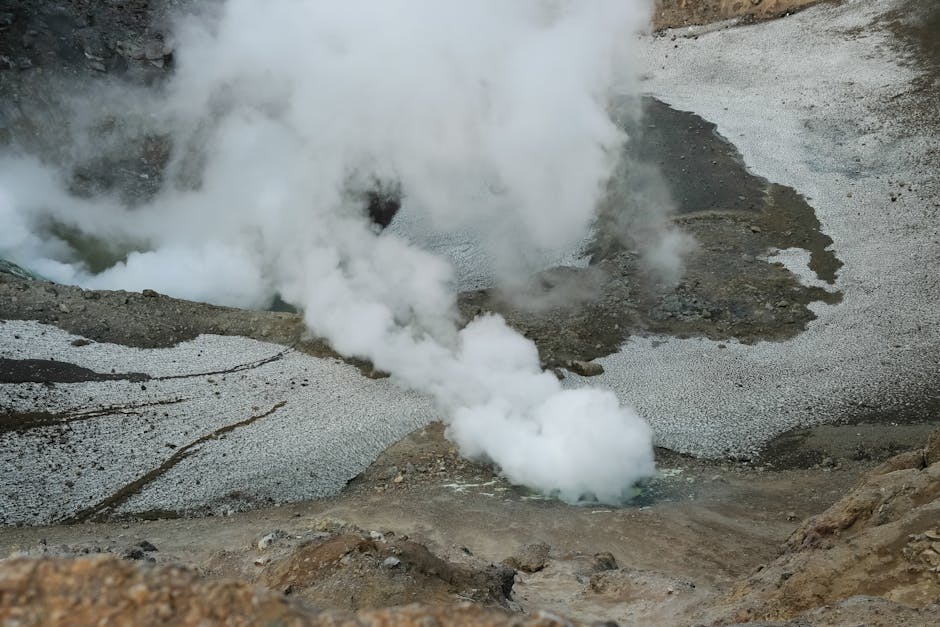
Craters of the Moon is a geothermal walkway about 5 km north of town, near the Wairakei power station. The loop takes 45 minutes to an hour through an eerie, steam-filled expanse of craters, fumaroles, and mud pools. The ground hisses under your feet and the sulphur hits your nose the moment you step out of the car. It really does feel like another planet.
Entry is $10 NZD for adults and $5 NZD for kids. Open daily 8:30 am to 5 pm, last entry 4 pm. You buy tickets at the kiosk at the start — no booking. It’s all boardwalk and formed path, so trainers are fine. Allow about 1.5 hours all up with the drive and photos.
Afternoon: kayaking to the Maori rock carvings
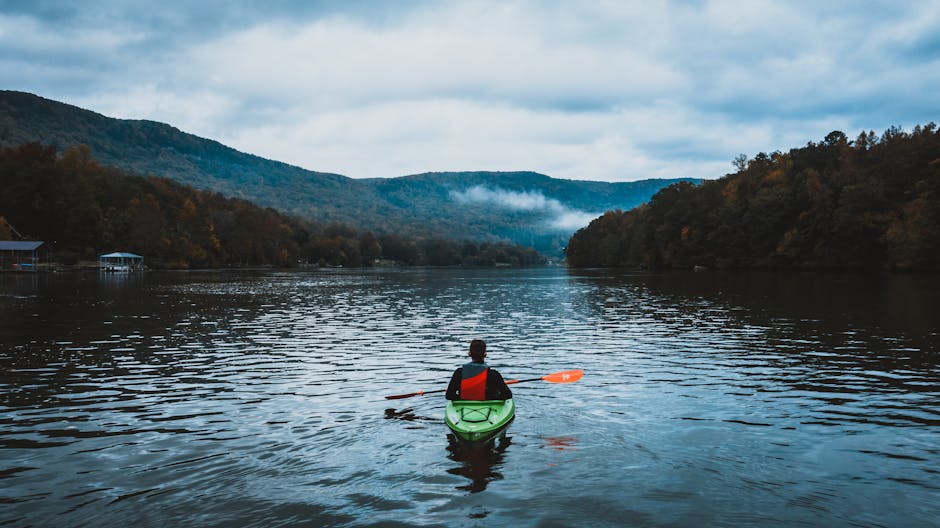
The Mine Bay Maori rock carvings are Taupo’s signature cultural sight — a 14-metre likeness of Ngatoroirangi, the navigator who guided the Tuwharetoa and Te Arawa people to this region more than a thousand years ago. They’re cut into a cliff on the western shore at Mine Bay, and the only way to see them is from the water. If the story behind them grabs you, our guide to Maori culture and volcanic heritage goes deeper.
Guided kayak tours leave from Acacia Bay and run about 3.5 to 4 hours return with time at the carvings. They cost around $135 NZD per person, which covers the kayak, paddle, life jacket, and a guide who tells you the history. Departures are usually 8:30 am and 1:30 pm, with a 10 am start in winter.
If a guided kayak is out of budget, a scenic boat cruise gets you there too — daily, around $45–$55 NZD for a 1.5 to 2-hour trip. The boat gets close, but the kayak is more intimate; you paddle right up under the cliff. For more of the region’s water and adrenaline options, see our Taupo adventure activities guide.
A third option for the truly frugal: rent a kayak solo (roughly $20–$30 NZD an hour) and paddle it yourself. Acacia Bay to Mine Bay is about 4 km each way, but only take this on if you’re a confident paddler — Taupo is a big lake and it can whip up swell and chop with little warning.
Day 4 estimated costs: Hostel $28–$35, food $15–$20, Craters of the Moon $10, kayak tour $135 (or boat cruise $45–$55, or self-paddle $20–$30). Total: roughly $98–$200 NZD depending on how you reach the carvings.
Day 5: Mountain biking, Waikato River trails, and departure
Morning: mountain biking or the Great Lake Trail
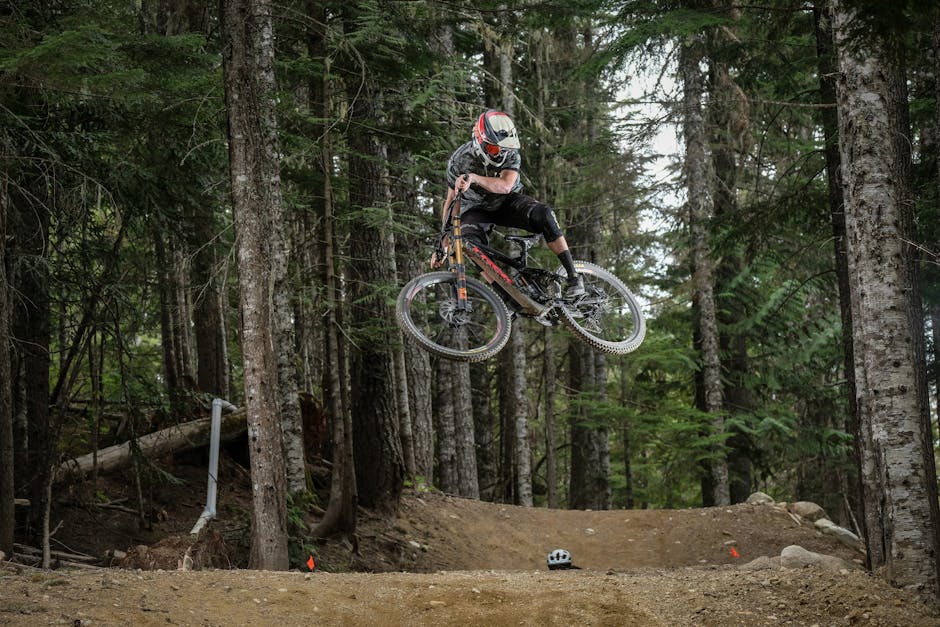
Taupo is a serious mountain biking town, and day 5 is made for two wheels. Two main choices:
Craters Mountain Bike Park: Right next to Craters of the Moon, this free-access park runs from mellow flow tracks to advanced singletrack through native forest. No bike? Rental is available from operators like FourB at the park, from around $50–$70 NZD for a half-day hire.
Great Lake Trail: One of New Zealand’s Great Rides, a purpose-built network along the lake’s western shore. The go-to half-day is the W2K from Whakaipo Bay to Kinloch (about 12 km one way), rolling through bush with big lake views. You’ll need a shuttle to the trailhead — outfits like Adventure Shuttles bundle bike hire and transport from around $80–$120 NZD.
Not a rider? Walk the Waikato River trails instead. The Huka Falls to Aratiatia track follows the river for about 7 km through native bush and skirts the Wairakei geothermal area on the way. Flat, free, and about 2 to 2.5 hours one way.
Afternoon: farewell soak and departure
Before you leave, squeeze in one last Spa Park soak or a dip off the town beach. Pack up, grab a coffee on Horomatangi Street, and catch your bus or hit the road. InterCity runs regularly from Taupo to Wellington (about 5 hours), Rotorua (1 hour), and Auckland (4.5 hours).
Day 5 estimated costs: Hostel $28–$35, food $15–$20, bike hire $50–$120 (or free if you walk). Total: roughly $43–$175 NZD depending on your morning.
The full five-day budget
Here’s what to expect across the whole trip, split by how you like to travel:
Shoestring (mostly free activities)
- Accommodation (5 nights): $140–$175 NZD (hostel dorms)
- Food (self-catering): $75–$100 NZD
- Tongariro shuttle: $45–$55 NZD
- Craters of the Moon: $10 NZD
- Activities: All free (Huka Falls, Spa Park, Aratiatia Rapids, walkways, lake swimming)
- Total: $270–$340 NZD ($54–$68 per day)
Mid-range backpacker
- Accommodation (5 nights): $140–$175 NZD
- Food (mix of cooking and eating out): $100–$150 NZD
- Tongariro shuttle: $45–$55 NZD
- Craters of the Moon: $10 NZD
- Boat cruise to rock carvings: $45–$55 NZD
- Bike hire (half day): $50–$70 NZD
- Total: $390–$515 NZD ($78–$103 per day)
Comfortable backpacker
- Accommodation (5 nights): $140–$175 NZD
- Food (mostly eating out): $150–$200 NZD
- Tongariro shuttle: $45–$55 NZD
- Craters of the Moon: $10 NZD
- Kayak tour to rock carvings: $135 NZD
- Great Lake Trail bike hire + shuttle: $80–$120 NZD
- DeBretts Hot Springs: $30 NZD
- Total: $590–$725 NZD ($118–$145 per day)
Where to stay: best hostels for this itinerary
For five nights, pick somewhere central and social with a decent kitchen, since you’ll be cooking most of your meals. My shortlist:
Tiki Lodge: Small and social, an easy walk to the lakefront and town. Clean dorms, free WiFi, a proper kitchen. Dorms from around $28 NZD a night.
Haka Lodge Taupo: Part of the Haka Lodge chain, known for tidy modern facilities and a good vibe. A touch pricier, but the bunks have privacy curtains and USB charging. Dorms from around $32 NZD a night.
Rainbow Lodge: A long-stayer favourite. Free WiFi, BBQ, a sauna, and a free shuttle from the bus station. Handy spot near the Waikato River. Dorms from around $30 NZD a night.
Budget alternative — freedom camping: With a self-contained vehicle, there are designated freedom camping areas around Taupo. Check the CamperMate app or the Taupo District Council site for the current rules and approved spots. Non-self-contained freedom camping is heavily enforced here — fines can top $200 NZD. For the full picture, see our guide to where to stay in Taupo.
Weather flexibility: how to adapt this itinerary
Taupo weather is fickle, especially near the volcanoes. Here’s how to bend the plan when it doesn’t play along:
If day 2 (Tongariro) is rained out: Swap days 2 and 3. Do the recovery-day stuff first — lakefront walk, Aratiatia, town — and go for the crossing on day 3. If both days look grim, push it to day 4 and pull the Craters of the Moon and kayaking forward to day 3.
If it’s raining all day: Hit the Taupo Museum (koha entry), catch a film at the Starlight Cinema on Horomatangi Street, browse the shops and cafes, or head to DeBretts — soaking in hot pools in the rain is genuinely great. For more wet-weather backups, our 3-day Lake Taupo backpacking itinerary lists alternatives for every day, and the month-by-month weather guide helps you pick when to come in the first place.
If it’s windy: Lake activities like kayaking often get pulled. Swap in walking or biking, or head to the geothermal sites, which don’t care about wind.
Getting around Taupo on a budget
Town itself is walkable — most hostel-to-centre trips are 10 to 20 minutes on foot. For the outlying sights (Craters of the Moon, Aratiatia Dam, Huka Falls), here are your options:
- Walking: Free, but some sights are 5–10 km out, which adds up over a day
- Hitchhiking: Common and generally safe around Taupo — plenty of backpackers thumb it to Huka Falls and Aratiatia
- Bike rental: Some hostels lend bikes free; otherwise around $20–$30 NZD a day from shops in town
- Shuttle services: Some hostels run free or cheap shuttles to popular trailheads
- Rideshare: Check hostel notice boards and backpacker Facebook groups for shared rides to the Tongariro Crossing and beyond
Money-saving tips for five days in Taupo
Five days gives you room to keep costs low without missing out. My top moves:
- Cook every meal: Every hostel has a kitchen. Pak’nSave is the cheapest supermarket. Budget $15–$20 a day for three meals if you’re self-catering
- Front-load the free stuff: Huka Falls, Spa Park, Aratiatia Rapids, the Great Lake Walkway, lake swimming, riverside trails — all free
- Book the Tongariro shuttle early: Online-in-advance beats last-minute on price
- Share costs: Meet other backpackers and split a rental car for a day — often cheaper than shuttles for groups of three or more
- Bring your own gear: A sleeping bag liner, towel, and reusable bottle save you on hostel extras and single-use buys
- Chase happy hour: Several Taupo pubs run cheap meal deals — check the boards out front
- Skip the premium option when there’s a cheaper twin: The guided kayak is superb but dear; the boat cruise gives you the same view for a third of the price, and self-paddling costs less again
Essential packing checklist for five days
Five days here means gear for hiking, water, and swingy weather. Don’t overdo it — you’re backpacking. The essentials:
- Sturdy hiking boots with ankle support (non-negotiable for the Tongariro Crossing)
- Waterproof rain jacket and a warm fleece or down layer
- Togs and a quick-dry towel for the hot springs and lake
- Sunscreen (SPF 50+), sunglasses, and a sun hat — New Zealand’s UV is brutal
- 2-litre water bottle (refill at hostels and public fountains)
- Day pack for hikes and day trips
- Basic first aid kit including blister plasters
- Headlamp or torch for those pre-dawn shuttle starts
For the full gear breakdown, see our Taupo packing checklist, and if you’re weighing up months, our guide to the best time to visit Lake Taupo is worth a read.
Frequently asked questions
Is 5 days enough for Lake Taupo?
Yes — five days is close to ideal. It covers everything that matters: the Tongariro Alpine Crossing, the geothermal sites, lake activities, and mountain biking, plus a recovery day and a weather buffer. Most backpackers find five days lands right in the sweet spot between seeing it all and not overstaying.
What’s the cheapest way to do 5 days in Taupo?
On a shoestring you can do five days for as little as $270–$340 NZD all up. Sleep in hostel dorms, cook from supermarket groceries, lean on the free sights (Huka Falls, Spa Park, Aratiatia Rapids, lakefront walks, swimming), and only pay for the Tongariro shuttle ($45–$55) and Craters of the Moon ($10). Every other activity in this itinerary has a free or near-free alternative.
Can I do the Tongariro Alpine Crossing without a guide?
Yes — it’s designed to be done solo. The track is well-marked and well-maintained. You just need decent fitness (it’s a full day with real climbing), the right gear, and good weather. The only thing you must organise is shuttle transport, since it’s a one-way hike between two car parks.
What if the Tongariro Crossing is closed due to weather?
Happens often, especially in winter and the shoulder seasons. With five days you’ve got the slack to swap it to another day. If the whole stay looks bad, hike the Taranaki Falls loop or the Tama Lakes track in Tongariro National Park instead — lower, less weather-exposed, and still stunning.
Do I need to book accommodation in advance?
In peak season (December to February), book at least a week ahead — the popular hostels fill fast. In the shoulder (March to May, September to November) a day or two out is usually fine. Through winter (June to August), walk-ins are common.
Is Taupo safe for backpackers?
It’s one of the safest spots in New Zealand for backpackers — small, friendly, and set up for travellers. The real risks are natural: stay on marked trails in geothermal areas, respect the Tongariro weather warnings, wear sunscreen (the UV is no joke), and never get into hot pools that aren’t meant for bathing. For the full rundown, see our Taupo safety tips guide.
Making the most of your five days
A well-planned five days in Taupo gives you the balance three days can’t — adventure, culture, a bit of rest, and a weather buffer. You get the Tongariro Alpine Crossing with backup days, the region’s geothermal weirdness, a real connection to Maori history at the rock carvings, and still enough slack for spontaneous side-quests and lazy lakefront afternoons. The trick is simple: front-load the crossing so you’ve got fallback days, and mix the paid highlights with the region’s excellent free options.
Whether you spend $270 or $725 across the week, Taupo delivers ridiculous value. Few places in New Zealand pack this much variety — volcanic hiking, geothermal fields, lake paddling, mountain biking, hot springs, Maori heritage — into one compact, walkable base. Ready to plan the rest? Head back to the main guide: our Lake Taupo trip planning guide ties it all together.