Blog

  • Things to Do in Lake Taupo: The Complete Guide (2026)

    Things to Do in Lake Taupo: The Complete Guide (2026)

    Things to do in Lake Taupo range from free natural hot springs to adrenaline-pumping adventures that will make your backpacking trip unforgettable. Whether you’re a thrill-seeker, nature lover, or budget-conscious traveller, this geothermal playground in New Zealand’s North Island offers something for everyone. In this complete guide, we’ll explore everything from hidden free activities to world-class hiking, water sports, and cultural experiences. Lake Taupo isn’t just a destination—it’s a playground where adventure meets affordability. Ready to discover what makes backpacking Lake Taupo an essential stop on your New Zealand journey?

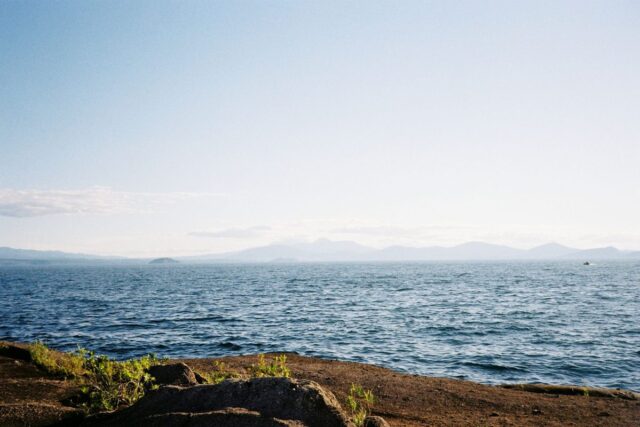
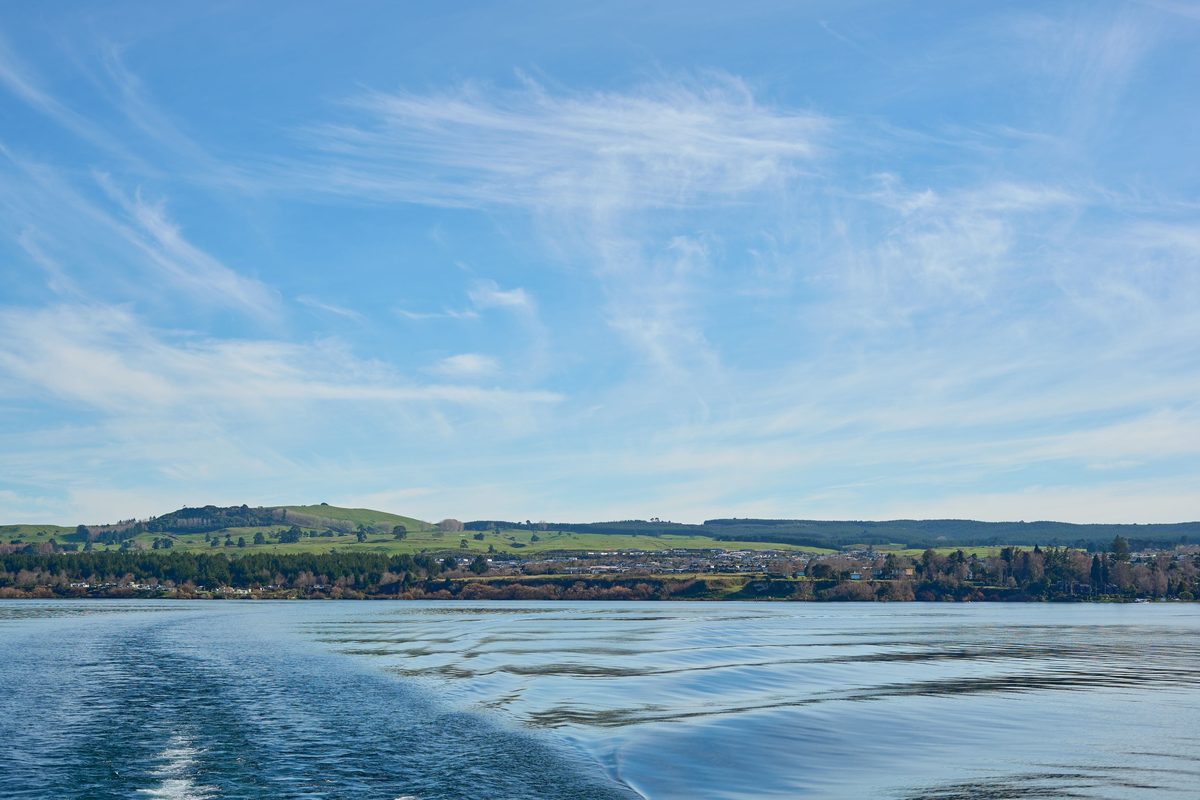
    Scenic view of Lake Taupo New Zealand with mountains and blue sky
    Lake Taupo — New Zealand’s largest lake and a playground of adventure, culture, and natural beauty.

    Table of Contents

    1. Why Taupo Is a Must-Stop Destination
    2. Free and Low-Cost Things to Do
    3. Water Activities on Lake Taupo
    4. Adventure Activities and Adrenaline Rushes
    5. Hiking and Walks Around Taupo
    6. Geothermal Attractions Near Taupo
    7. Maori Rock Carvings at Mine Bay
    8. Best Things to Do at Night
    9. Seasonal Activities: Summer vs Winter
    10. Events and Festivals Throughout the Year
    11. Romantic Things to Do in Taupo
    12. Things to Do When It Rains
    13. FAQ Section

    Why Taupo Is a Must-Stop Destination

    Lake Taupo sits at the heart of New Zealand’s geothermal wonderland, a sprawling freshwater lake born from a volcanic eruption 1,800 years ago. What makes this region extraordinary is the sheer variety of activities compressed into one relatively compact area. You can soak in natural hot springs at sunrise, bungy jump off a cliff by lunchtime, and watch the sunset from a kayak—all on the same day and without breaking the bank.

    The lake itself is massive at 619 square kilometres, meaning there’s always a quiet beach or hidden walk waiting for you if the main attractions get crowded. The town centre is compact and backpacker-friendly, with plenty of budget accommodation, free camping options, and affordable eateries. Most importantly, many of the best things to do in Lake Taupo cost nothing or very little, making it ideal for travellers stretching their budget across New Zealand.

    Taupo is also perfectly positioned as a base for exploring the wider region. From here, you can reach the world-famous Tongariro Alpine Crossing, adventure capital Rotorua, and numerous geothermal sites. Whether you’re planning a day trip or staying for a week, must-do experiences in Taupo offer something to suit every interest and budget.

    Free and Low-Cost Things to Do in Taupo

    Backpackers on a tight budget rejoice—some of the best things to do in Lake Taupo won’t cost you a cent. Here’s where to find genuine experiences without the hefty price tag.

    Spa Thermal Park (Otumuheke Stream)

    This is the crown jewel of free activities near Taupo. Located just a 25-minute walk from the town centre, Spa Thermal Park offers access to natural hot pools heated by geothermal energy. The warm water flowing through Otumuheke Stream creates natural thermal baths where you can soak completely free of charge. The park is open from 7am to 8pm daily, so you can catch an early morning soak or unwind at sunset. Bring a towel and flip-flops, and avoid busy afternoon hours if you prefer solitude. This single experience justifies a visit to Taupo—soaking in naturally heated pools while surrounded by native bush is quintessential New Zealand magic.

    Huka Falls Walk

    Just 7 kilometres north of town, Huka Falls thunders into a narrow chasm with the power of 220,000 litres of water per second. The walk to the falls is free and relatively easy—about 45 minutes return from the carpark. The sight of brilliant turquoise water crashing through the canyon is unforgettable and genuinely one of the best things to do in Lake Taupo. You can also walk further to Aratiatia Dam, another free attraction where controlled water releases create dramatic waterfall displays (usually 10am, 12pm, 2pm, and 4pm in summer).

    Great Lake Walkway and Lakefront Strolls

    The Great Lake Walkway is an 88-kilometre multi-use trail circling Lake Taupo. While few backpackers will complete the entire loop, sections are perfect for day walks. The lakefront walk through town is free and scenic, offering views across the water to the volcanic peaks. Park at various points and walk segments that appeal to you. Early morning walks reward you with mist rising off the lake and birdwatching opportunities.

    Spa Park Disc Golf

    If you’re looking for something quirky and free, try disc golf (frisbee golf) at Spa Park. Two courses—9-hole and 18-hole—are completely free to play. All you need is a frisbee (borrow from other players or your hostel). It’s a fun way to explore the park and enjoy a quirky activity most travellers skip.

    For detailed information on all free activities in Lake Taupo, see our dedicated guide covering budget-friendly experiences.

    Water Activities on Lake Taupo

    Lake Taupo is a water lover’s paradise. The massive freshwater lake stays relatively calm, making it ideal for multiple water sports. Whether you’re keen to paddle, sail, or simply float, there’s a water-based activity suited to your skill level and budget.

    Lake Cruises to Maori Rock Carvings

    One of the most iconic things to do in Lake Taupo is cruising across the water to view ancient Maori rock carvings at Mine Bay. Several operators run these cruises, with prices starting around NZD $59-$75 per person. Chris Jolly Outdoors, Ernest Kemp, and Sail Barbary are reputable choices. The journey itself is spectacular—you’re crossing one of New Zealand’s largest lakes with volcanic peaks visible in the distance. The carvings, created by master carver Matahi Whakataka-Brightwell between 1972-1982, depict spiritual figures and are a moving cultural experience.

    Kayaking Adventures

    Kayaking on Lake Taupo ranges from peaceful paddles along the shoreline to guided multi-day expeditions. Day trips cost around NZD $80-$150 depending on whether you join a group or book a private guide. You can also hire kayaks for self-guided exploration (roughly NZD $40-$60 per day). Paddling at sunrise or sunset offers stunning views, and guided tours often include cultural stories about the lake. Kayaking is particularly popular in summer when the lake is calmest.

    Kayakers paddling on calm lake waters surrounded by mountains
    Kayaking on Lake Taupo offers peaceful exploration of the shoreline and access to the Maori Rock Carvings at Mine Bay.

    Swimming and Beach Time

    Lake Taupo has numerous swimming beaches, all free to access. Acacia Bay and Two Mile Bay are popular spots with sandy beaches and calm water in summer. The lake temperature ranges from chilly (15°C in winter) to refreshing (20°C in summer). For a unique experience, try swimming in the geothermally heated spots where streams feed warm water into the lake near the shoreline.

    Fishing Expeditions

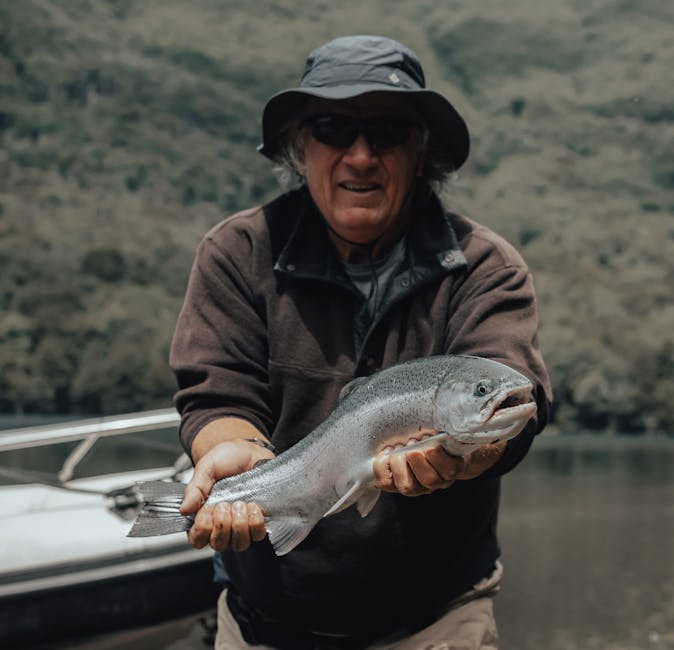
    Lake Taupo is world-famous for rainbow and brown trout fishing. Whether you’re a seasoned angler or complete beginner, professional fishing guides can take you out (typically NZD $200-$300 for half-day trips). You don’t need a fishing license on Lake Taupo itself, but you do need one for rivers and streams—day licenses cost around NZD $20. Many backpackers are surprised at how accessible this activity is, with excellent catch rates almost guaranteed during season.

    Explore more water activities in Taupo including paddleboarding, waterskiing, and wakeboarding options for adrenaline seekers.

    Adventure Activities and Adrenaline Rushes

    If your idea of fun involves danger, chaos, or leaping out of perfectly good aircraft, Taupo delivers. The town has earned a reputation as an adventure capital, and operators offer some of the most extreme (and surprisingly affordable) activities in New Zealand.

    Skydiving Over Lake Taupo

    Jumping from 12,000 feet costs around NZD $299, while the ultimate rush from 15,000 or 16,500 feet runs NZD $399-$459. You’ll freefall for 45-60 seconds before the parachute deploys, giving you an unobstructed view of Lake Taupo, surrounding mountains, and geothermal landscapes. Multiple operators compete for business, which keeps prices competitive. This is genuinely one of the most thrilling things to do in Lake Taupo, and the memories will last forever. Many hostels offer combo deals combining skydiving with other activities.

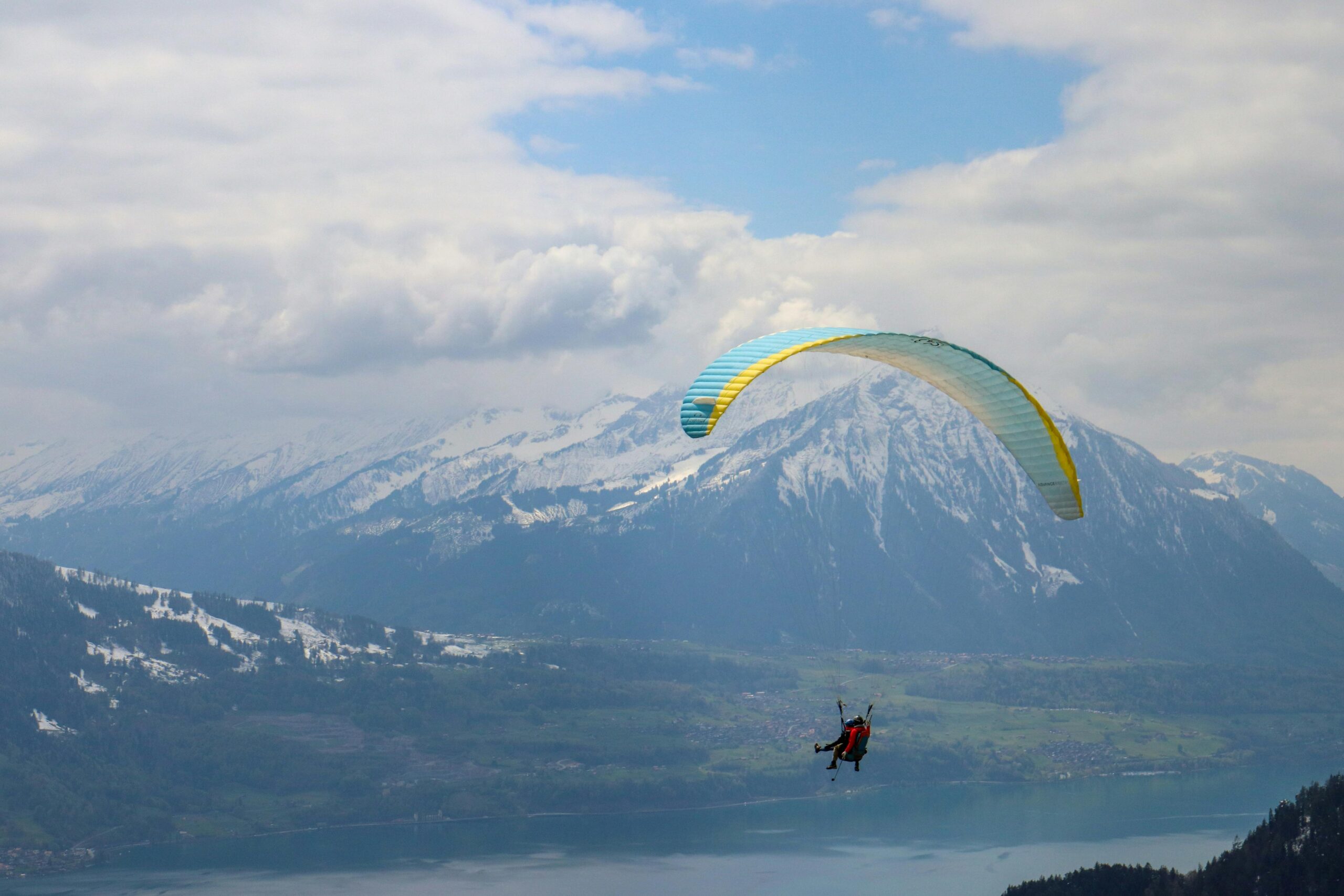
    Tandem skydiving over scenic landscape with panoramic views
    Tandem skydiving over Lake Taupo — one of New Zealand’s most affordable and scenic skydive locations.

    Bungy Jumping

    A 47-metre bungy jump costs around NZD $235. Bungy operators in Taupo are professional and have excellent safety records. The jump itself takes seconds, but the adrenaline rush and sense of accomplishment lingers for days. If you’re nervous, staff are experienced at talking through fears. It’s a popular bucket-list item and easier to commit to than skydiving.

    Bungy jumper leaping from a high cliff with river below
    Bungy jumping from the 47-metre cliff above the Waikato River in Taupo.

    Jet Boating on the Waikato River

    Hukafalls Jet takes you right to the base of Huka Falls in a thrilling high-speed boat that spins and manoeuvres through narrow water channels. The 30-minute journey costs around NZD $120-$140 and combines stunning scenery with genuine excitement. The boat’s ability to navigate extremely shallow water means you get dangerously close to the falls. It’s wet, it’s wild, and it’s one of the best things to do in Lake Taupo for adrenaline junkies.

    Speed boat creating spray on a river adventure ride
    Jet boating on the Waikato River — a high-speed thrill ride to the base of Huka Falls.

    White Water Rafting

    The Tongariro River offers excellent rafting opportunities with Grade 2-3 rapids. Half-day trips cost around NZD $120-$160 and are suitable for beginners with no experience necessary. The river passes through beautiful native forest, and guides share information about the landscape and Maori history. This is less intense than bungy or skydiving but still provides genuine thrills and a unique way to experience the region.

    4Play Adventure Combo

    Several operators bundle multiple adventures together. The “4Play” package typically combines bungy jumping, jet boating, skydiving, and rafting into one insane day. Prices vary but usually run NZD $600-$850 for the complete package—cheaper per activity than booking separately. Only for those with nerves of steel and a full day to burn.

    Check out comprehensive adventure activity options in Taupo for detailed reviews and booking information.

    Hiking and Walks Around Taupo

    Taupo is a hiker’s haven. From short town walks to world-class day hikes, the region offers trails for every fitness level. The volcanic landscape, native bush, and lake views create genuinely stunning scenery.

    Tongariro Alpine Crossing

    Frequently called the best one-day hike in the world, the Tongariro Alpine Crossing is a 19.4-kilometre day walk that takes you through alpine terrain, past volcanic craters, across coloured lakes, and through dramatically changing landscapes. The full walk takes 7-9 hours and is genuinely challenging but not technical. You can hike it independently (free except for transport) or book a guided trip (NZD $150-$200). Many Taupo backpackers rank this as the highlight of their entire New Zealand trip. See detailed Tongariro Alpine Crossing information for tips and logistics.

    Mount Tauhara

    This 1,088-metre volcano offers a manageable half-day hike. The 6.5-kilometre round trip takes 2-3 hours and gains 600 metres elevation. The summit rewards you with 360-degree views of Lake Taupo, surrounding peaks, and geothermal areas. It’s harder than the Huka Falls walk but easier than Tongariro and accessible to most reasonably fit backpackers.

    Craters of the Moon Geothermal Walk

    Just 25 minutes from town, this 45-minute walk through an otherworldly geothermal landscape costs only NZD $8 for adults. Boardwalks lead you through hissing steam vents, coloured rocks, and surreal terrain that genuinely looks alien. The entrance is free, but there’s a small honour box for donations. It’s one of the best value things to do in Lake Taupo and can be easily combined with other activities.

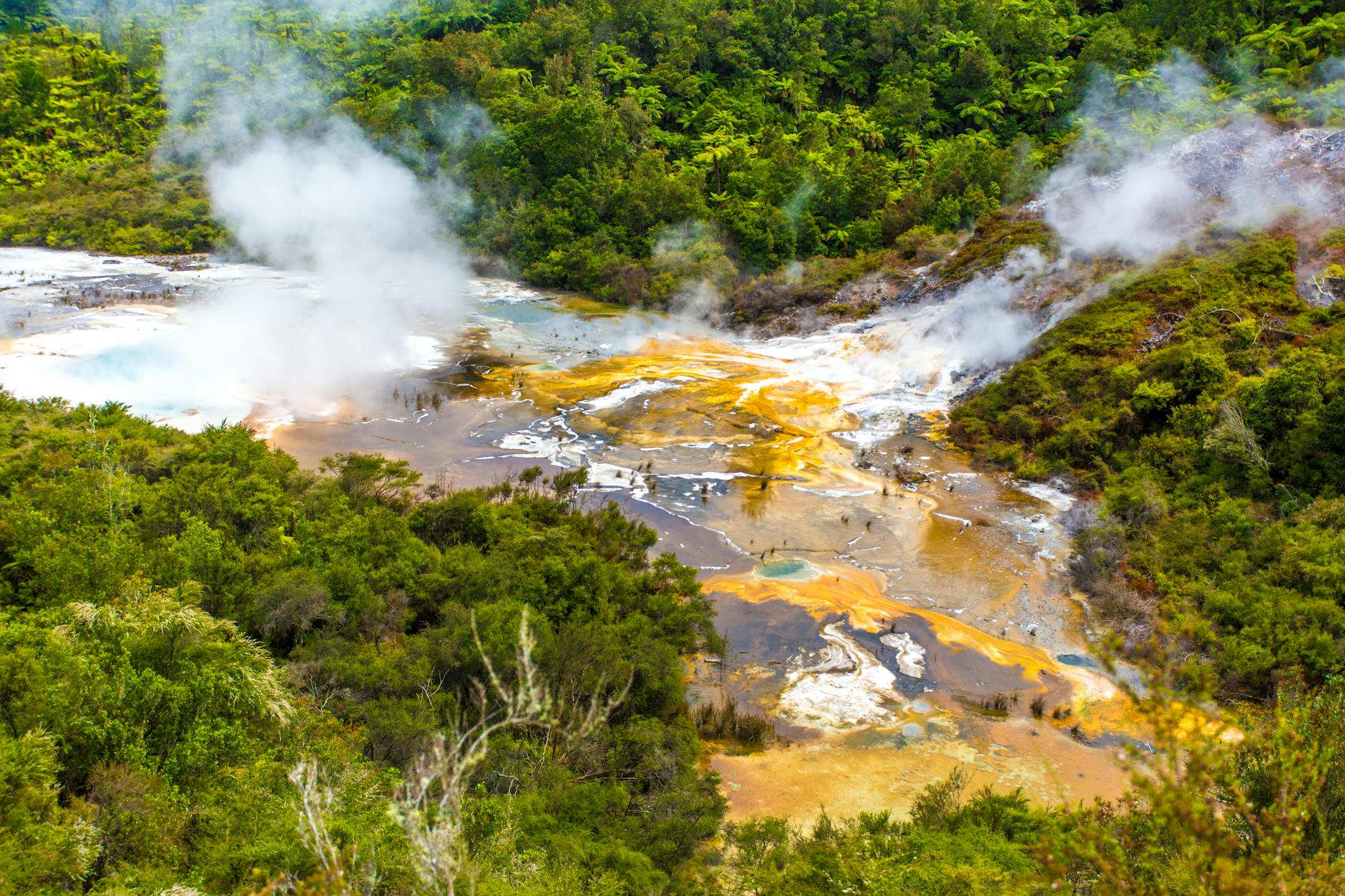
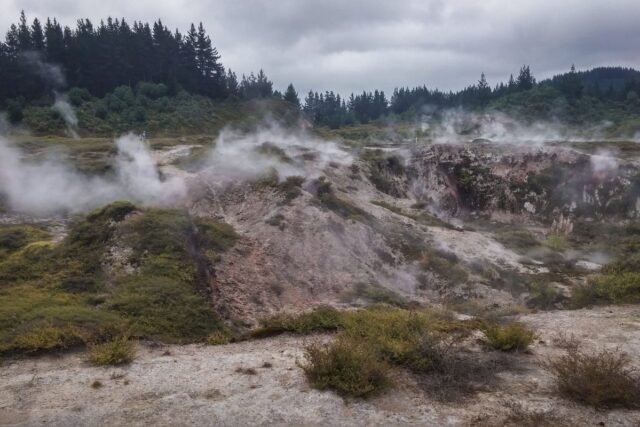
    Geothermal hot springs with steam rising from mineral-rich waters
    Geothermal hot springs near Taupo — soak in naturally heated mineral waters surrounded by native bush.

    Other Notable Walks

    The Huka Falls Walk (mentioned earlier) is also popular. For serious trampers, the Craters of the Moon connects to extended walking tracks. The Great Lake Trail is an 88-kilometre multi-use trail where you can walk or bike sections. See the comprehensive hiking guide for Lake Taupo for detailed track information, difficulty ratings, and seasonal considerations.

    Geothermal Attractions Near Taupo

    Sitting atop the Taupo Volcanic Zone means you’re in one of Earth’s most geothermally active regions. Beyond Spa Thermal Park and Craters of the Moon, several attractions showcase the region’s incredible geothermal features.

    Orakei Korako (The Hidden Valley)

    Located 30 minutes north of Taupo, Orakei Korako is home to 23 active geysers and stunning silica terraces. You access it via a scenic boat ride across a turquoise lake. Entry costs around NZD $32-$38, and a visit takes 1-2 hours. It’s less crowded than Rotorua’s attractions but equally spectacular. The geysers, hot pools, and mineral-tinted waters create Instagram-worthy scenery. See detailed geothermal attraction guide for all thermal experiences in the region.

    Wairakei Terraces and Hot Pools

    Just 10 kilometres from town, Wairakei Terraces features silica terraces similar to those at Rotorua’s Champagne Pool. The complex includes hot pools and a café. It’s less famous than other geothermal sites but less crowded and offers genuine value. Entry is around NZD $15-$20, and it’s perfect for a relaxing afternoon combining geology with thermal bathing.

    Geothermal hot springs with steam rising from mineral-rich waters
    Geothermal hot springs near Taupo — soak in naturally heated mineral waters surrounded by native bush.

    Huka Honey Hive

    While not geothermal in the traditional sense, the Huka Honey Hive uses geothermal heat to power a working honey production facility. Entry is free, and you can observe hives, sample honey, and learn about New Zealand beekeeping. It’s quirky, educational, and genuinely interesting—an underrated thing to do in Lake Taupo on a rainy afternoon.

    Maori Rock Carvings at Mine Bay

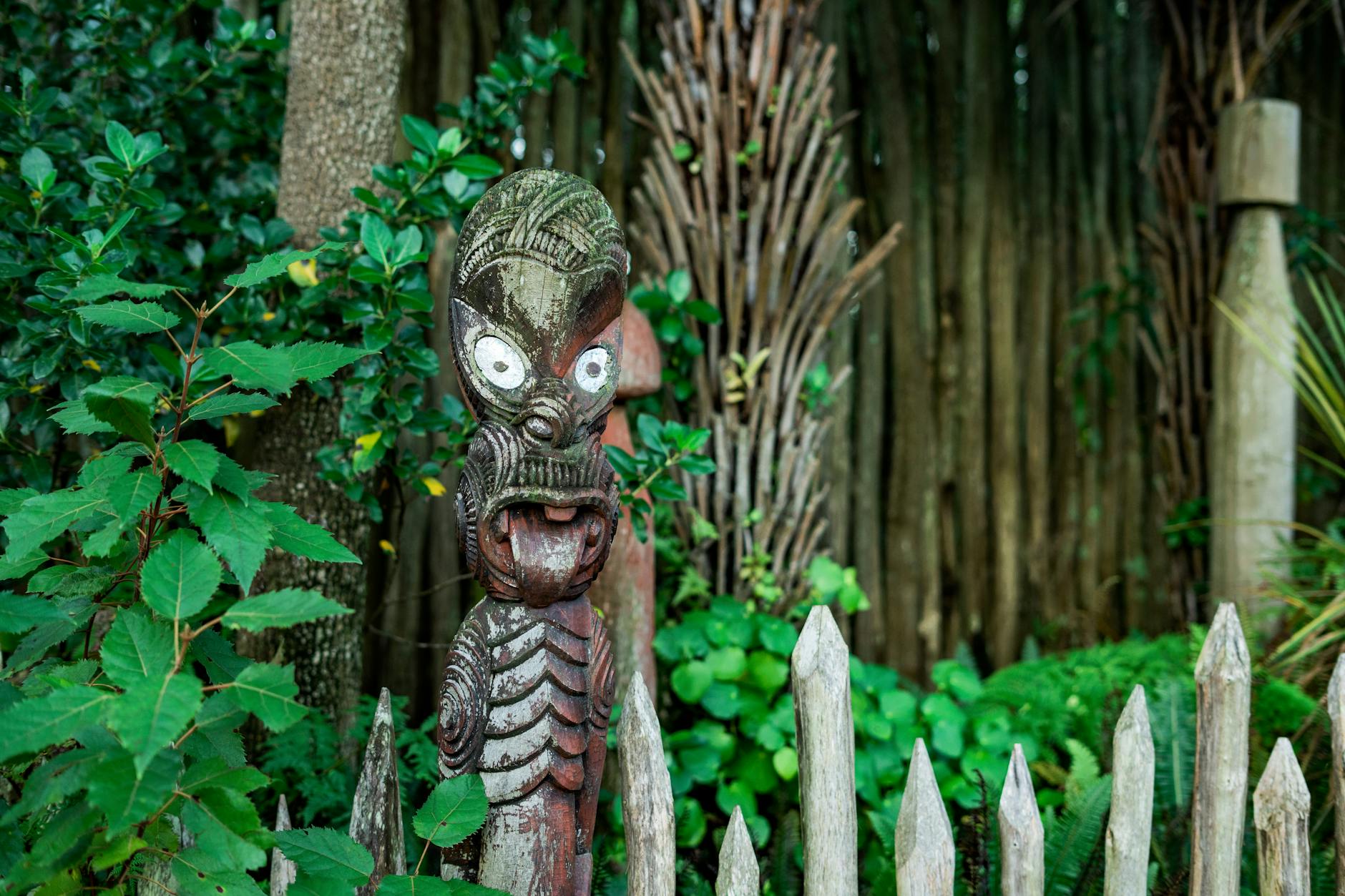
    The Maori rock carvings at Mine Bay rank among New Zealand’s most significant contemporary Maori artworks. Created between 1972 and 1982 by renowned carver Matahi Whakataka-Brightwell, the carvings depict a Maori guardian figure and are carved directly into the lake cliffs. They’re only accessible by water, making a lake cruise one of the essential things to do in Lake Taupo from a cultural perspective.

    Ancient rock carvings carved into cliff face above lake waters
    The Maori Rock Carvings at Mine Bay — a 14-metre cultural masterpiece accessible only by water.

    The carvings are 10 metres tall and feature intricate details depicting spiritual symbolism. Guides on cruises explain the cultural significance and artistic techniques. The visit combines art appreciation, Maori history, lake scenery, and adventure—exceptional value for the NZD $59-$75 cost. Early morning or late afternoon cruises offer the best light for photography and fewer crowds than midday departures.

    Best Things to Do at Night in Taupo

    Taupo isn’t a party capital like Rotorua or Queenstown, but there’s enough going on in evenings to keep backpackers entertained. The vibe is more relaxed—think pub quizzes and stargazing rather than nightclubs.

    Bars and Restaurants Along Lake Terrace

    Lake Terrace and Tongariro Street host most of Taupo’s evening venues. Breweries, bars, and casual restaurants line these streets. A craft beer costs NZD $7-$10, and meals range from NZD $15 (burger/pub food) to NZD $30+ (upmarket dining). Many backpackers congregate at specific hostels’ bars, creating a social atmosphere. Thursday to Saturday evenings see the most activity.

    Pub Quiz Nights

    Several pubs host quiz nights (usually Tuesday or Wednesday evenings). Entry is often free or a small fee (NZD $2-$5 per person), and teams of 4-6 compete for prizes (often bar vouchers). It’s a fun way to meet other travellers and experience local culture. Ask your hostel for the current quiz schedule.

    Stargazing

    Taupo has minimal light pollution compared to larger cities, making stargazing surprisingly good. The Southern Cross, Magellanic Clouds, and Milky Way are all visible on clear nights. Head away from town to a dark sky spot (many local walks and parks are suitable) and bring a blanket. Some operators offer night kayaking tours with stargazing components (NZD $80-$120). It’s a free or low-cost activity with genuine romantic appeal.

    Discover more nightlife options and evening entertainment in Taupo.

    Seasonal Activities: Summer vs Winter

    New Zealand’s seasons are opposite to the Northern Hemisphere. Summer (December-February) and winter (June-August) dramatically change what’s possible in Taupo.

    Summer Activities (December-February)

    Summer means long daylight hours, warm weather (20-25°C), and lake temperatures around 20°C. This is peak season for water activities—swimming, kayaking, sailing, and fishing all operate at full capacity. Lake cruises run multiple daily departures. The lake is calm, making boating activities more pleasant. Hiking season is excellent; longer days mean you can attempt full-day treks. However, summer is also the busiest season—accommodation fills quickly, and popular activities require advance booking. Prices are higher, and towns feel crowded. See detailed summer activity guide for seasonal-specific information.

    Winter Activities (June-August)

    Winter brings cold weather (5-12°C), shorter days, and lake temperatures dropping to 15°C. Water activities become less appealing (though still possible for the hardy). However, winter offers distinct advantages: fewer tourists, lower prices, and unique experiences like winter sports and activities. Nearby ski fields (Whakapapa and Turoa) become active. Clear, crisp winter days are perfect for hiking and stargazing. Winter visitors often have better experiences at popular attractions because of reduced crowds. Rain increases, making indoor activities more relevant. Accommodation prices drop 20-30% compared to summer.

    Events and Festivals Throughout the Year

    Taupo hosts numerous events throughout the year, adding special appeal depending on when you visit.

    IRONMAN New Zealand (March)

    Held annually in March, this world-class endurance race attracts athletes from globally. The 3.8km lake swim, 180km bike ride, and 42.2km run take place throughout the region. Even non-participants enjoy the festival atmosphere, live music, and crowds that descend on Taupo.

    Lake Taupo Cycle Challenge (November)

    The November cycle challenge attracts thousands of cyclists for a 160km circumnavigation of the lake. The community event includes various distance options and creates a festive atmosphere. Even if you’re not cycling, it’s a good time to experience the region’s active culture.

    Taupo Winter Festival (July)

    During school holidays in July, Taupo hosts a winter festival with live entertainment, food stalls, children’s activities, and cultural performances. It’s a good time to visit if you want community atmosphere and events.

    Other Events

    Throughout the year, Taupo hosts the Taupo Marathon (November), Graffiato Street Art Festival, Le Currents Festival (January), and Summer Concert at Riverside Park. See complete events and festivals calendar for current schedules and specific dates.

    Romantic Things to Do in Taupo

    Beyond adrenaline and adventure, Taupo offers genuinely romantic experiences for couples.

    Sunset Sailing on the Lake

    Booking a sunset sailing cruise (available through local operators like Sail Barbary) provides stunning photographic moments, intimate conversation, and beautiful light. Prices around NZD $70-$100 per person are reasonable for the experience. The lake, mountains, and golden evening light create genuinely romantic settings.

    Thermal Pool Experiences

    Couples soaking together in thermal pools (Spa Park, Wairakei Terraces, or even DIY spots along the river) combine relaxation, intimacy, and natural beauty. Steam rising into cool evening air, surrounded by native bush—it’s quintessentially romantic.

    Scenic Helicopter Flights

    For couples with bigger budgets, scenic helicopter flights (NZD $300-$500+ per person) provide unforgettable views of the lake, volcanic peaks, and surrounding landscape from above. It’s genuinely thrilling and undeniably romantic.

    Vineyard Visits

    The nearby wine regions (especially around Martinborough, about 90 minutes away) offer wine-tasting experiences. Local wine tours combine scenic drives with tastings at boutique wineries. It’s a sophisticated alternative to Taupo’s more adventure-focused activities.

    For more inspiration, see the comprehensive couples guide to Taupo with romantic accommodation, dining, and activity recommendations.

    Things to Do in Taupo When It Rains

    Taupo does get rainy days, particularly in winter. Here’s what to do when outdoor plans need indoor alternatives.

    Taupo Museum

    The small but well-curated Taupo Museum covers Maori history, local geology, and the 1886 Mount Tarawera eruption. Entry costs around NZD $5-$8, and a visit takes 1-2 hours. It provides genuine context for understanding the landscape you’ve been exploring.

    Huka Honey Hive

    Mentioned earlier, this geothermally-heated facility is perfect on rainy days. It’s indoors, educational, and includes honey tasting. Free entry plus purchase opportunities if you want to support the business.

    DeBretts and Wairakei Hot Pools

    Why not embrace the rain and soak in thermal pools instead? DeBretts (at the lakefront) and Wairakei offer indoor and outdoor pools. Entry is around NZD $20-$30 per person. Soaking in warm water while rain falls creates a genuinely surreal experience.

    Taupo Indoor Climbing Wall

    For climbers, the indoor climbing wall is a good rainy-day option (NZD $15-$20 per person). Multiple difficulty levels make it accessible for beginners.

    Cafés and Bookshops

    Taupo has excellent cafés, many with local art on walls and quality coffee. Spend a morning reading, journaling, and people-watching with a NZD $4-$6 flat white. It’s the backpacker staple when weather fails.

    See the complete rainy day activities guide for more indoor options.

    Frequently Asked Questions About Things to Do in Lake Taupo

    Q: How many days should I spend in Lake Taupo?

    A: 3-5 days is ideal for most backpackers. This gives you time to complete one major adventure (skydiving, bungy, or Tongariro), enjoy multiple water activities, and explore free attractions without rushing. First-time visitors doing the Tongariro Alpine Crossing might stay 4-5 days. Those focused purely on budget travel could enjoy quality experiences with just 2-3 days.

    Q: What’s the best time to visit Lake Taupo?

    A: December to February (summer) offers perfect weather and full activity schedules but brings crowds and higher prices. November and March offer good weather with fewer tourists. June to August (winter) provides significantly cheaper prices and fewer crowds, though weather is colder and some water activities see reduced schedules. The shoulder seasons (April-May, September-October) offer excellent balance between good weather, reasonable prices, and manageable crowds.

    Q: Can I do multiple adventures in one day?

    A: Yes, but it requires energy. Many backpackers combine activities like: morning thermal soak + afternoon Craters of the Moon walk + evening pub quiz. You could theoretically bungy jump in the morning and jet boat in the afternoon, though you’ll be exhausted. Multi-day adventure combos (4Play package) spread activities across a full day but require real commitment. Listen to your body—overdoing it diminishes enjoyment.

    Q: Is Lake Taupo safe for solo travellers?

    A: Very safe. New Zealand has low crime rates, and Taupo is particularly welcoming to solo travellers. The town is compact, well-lit at night, and backpacker hostels have strong communities. Solo travellers easily meet others for activities and nights out. Women solo travellers report feeling particularly safe. Follow standard travel safety practices (don’t leave valuables unattended, be aware of your surroundings), and you’ll have an excellent experience.

    Q: What’s the best value thing to do in Lake Taupo?

    A: Hands down, the Spa Thermal Park soak is the best value—completely free and genuinely magical. For paid activities, the Huka Falls walk (free carpark, 45 minutes round trip) and Craters of the Moon (NZD $8 for 45 minutes) offer exceptional value. Lake cruises to the Maori rock carvings (NZD $60-$75) provide excellent value for the cultural significance and scenic beauty. Bungy jumping (NZD $235) is surprisingly affordable for such an extreme activity.

    Q: Do I need a car in Lake Taupo?

    A: Not essential but helpful. Most town-based activities are walkable or reachable by shuttle services. However, having a car gives access to Tongariro, Orakei Korako, and wider region exploration. Many hostels offer shuttle services to popular walks (Huka Falls, Craters of the Moon) for NZD $10-$15 per person. Renting a car for 2-3 days costs NZD $50-$80/day and opens up significantly more options. Hitchhiking is also viable on main roads.

    Final Thoughts: Why Taupo Belongs on Your New Zealand Itinerary

    Lake Taupo offers something virtually impossible to find elsewhere: a perfect combination of adventure, natural beauty, cultural experiences, and affordability. Whether you’re hunting adrenaline, seeking solace in nature, connecting with Maori culture, or simply wanting exceptional value, things to do in Lake Taupo deliver across all fronts. The fact that you can soak in free thermal pools, walk to a spectacular waterfall without paying, and then bungy jump or skydive within hours is remarkable. Few destinations in the world offer this variety at such reasonable cost.

    The local community welcomes visitors, the infrastructure supports independent travellers, and the landscape genuinely lives up to its reputation as one of Earth’s most geothermally active and visually stunning regions. From the youngest adrenaline seeker to the most seasoned traveller, everyone finds something that resonates. The broader backpacking guide to Lake Taupo provides additional context about accommodation, transport, and longer-term planning. No matter whether you spend 2 days or 2 weeks here, Lake Taupo will rank among your New Zealand highlights. Come for the adventures, stay for the magic.

    Ready to start planning your Lake Taupo adventure? Check out accommodation options, explore dining recommendations, and learn about day trip possibilities from Taupo. For inspiration on activities in the wider region, see our guides on fishing experiences and nearby geothermal sites at Orakei Korako and beyond. Your Lake Taupo adventure awaits.

    Sources and Additional Information

    Information in this guide comes from direct experience, local operator websites, and official tourism resources including lovetaupo.com, newzealand.com, and the Department of Conservation (doc.govt.nz). Prices and activity details were current as of April 2026 but should be confirmed directly with operators before booking. Weather, accessibility, and operating hours may vary seasonally—always contact activities in advance during winter months.

  • The Ultimate Backpacking Guide to Lake Taupo (2026)

    The Ultimate Backpacking Guide to Lake Taupo (2026)

    Lake Taupo sits right in the heart of New Zealand’s North Island, and for backpackers working their way up or down the country, it is one of those places that earns a permanent spot on the itinerary. The lake itself is massive — the largest in New Zealand and roughly the size of Singapore — filling the caldera of an ancient supervolcano that last erupted in 232 CE with enough force to turn skies red as far away as Rome and China.

    But you do not come to Taupo just for geology trivia. You come because the town delivers an almost unfair concentration of the things backpackers love: world-class hiking within an hour’s drive, free natural hot springs you can soak in after a long day on the trail, the cheapest skydiving in the country, legendary trout fishing, a lakefront you can walk for kilometres, and hostels where a dorm bed still costs less than a decent restaurant meal. Taupo is the kind of place where you plan two nights and end up staying five.

    This guide covers everything you need to plan a backpacking trip to Lake Taupo — from realistic daily budgets and the best time to visit, to where to sleep, what to pack, and how to fill your days without emptying your wallet. Whether you are a first-timer mapping out your North Island route or a returning traveller looking for deeper detail, consider this your starting point. For specific topics like itineraries, solo travel, or seasonal weather patterns, you will find dedicated in-depth guides linked throughout.

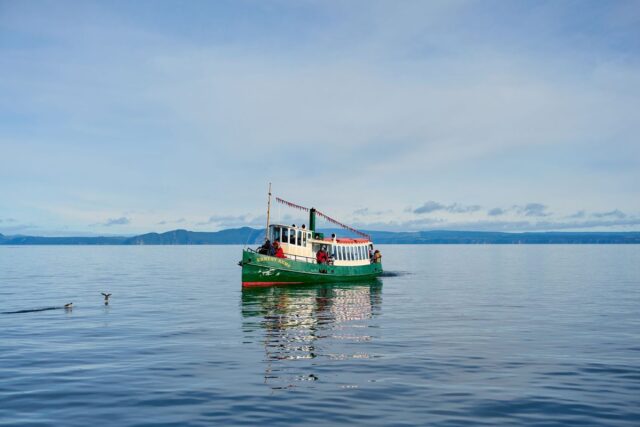
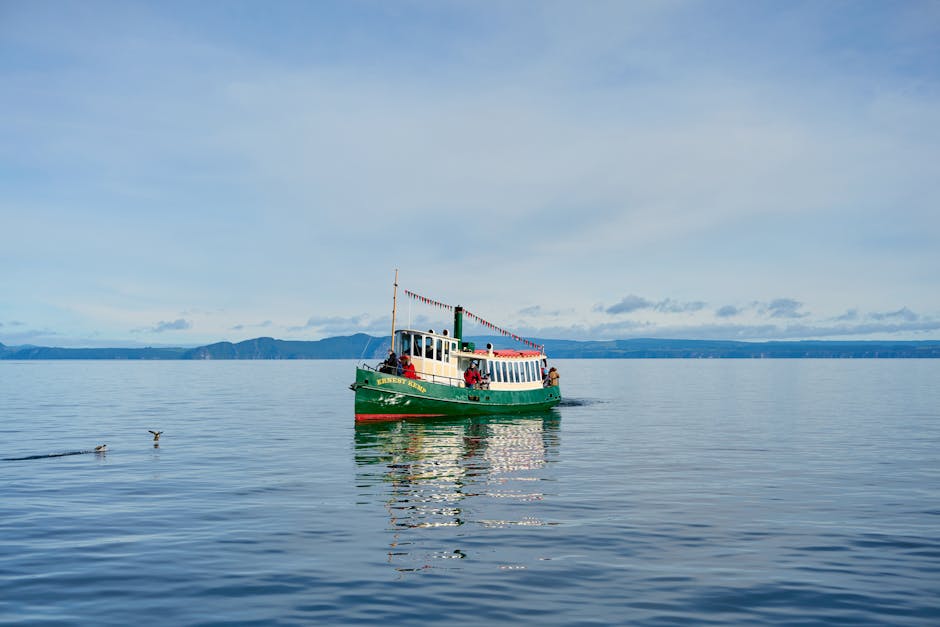
    Colourful boat on the calm waters of Lake Taupo with scenic mountain backdrop in New Zealand
    Lake Taupo — New Zealand’s largest lake and a backpacker’s paradise in the heart of the North Island.

    Where Exactly Is Lake Taupo and Why Does It Matter?

    Taupo town sits on the northeastern shore of Lake Taupo, roughly 280 kilometres south of Auckland and 370 kilometres north of Wellington. It occupies a strategic midpoint on any North Island road trip, which is one reason nearly every backpacker bus route stops here. The town is the main service hub for the wider Taupo District, which stretches south to include Turangi and edges up against Tongariro National Park — home to the famous Tongariro Alpine Crossing.

    The lake itself dominates the landscape. Formed by a series of volcanic eruptions over tens of thousands of years, it covers 616 square kilometres and reaches depths of over 160 metres. The Waikato River, New Zealand’s longest, flows out of the lake’s northeastern corner before tumbling over Huka Falls just a few kilometres downstream.

    For backpackers, this geography means one thing: variety. Within a 90-minute radius of your hostel bunk, you can hike an active volcanic crossing, soak in geothermal hot springs, kayak to ancient Maori rock carvings, mountain bike through native bush on internationally accredited trails, bungy jump into a river canyon, or simply lie on a lakeside beach watching the snow-capped volcanoes catch the afternoon light. Few places in New Zealand pack this much into such a compact area, and almost none do it at Taupo’s price point.

    Best Time to Visit Lake Taupo for Backpackers

    Taupo has a temperate inland climate, but its elevation (around 365 metres above sea level) means it runs cooler than coastal towns at similar latitudes. Understanding the seasons will help you pack right and plan activities wisely. For a full month-by-month breakdown, check our dedicated Lake Taupo weather guide.

    Summer (December to February)

    This is peak season. Daytime temperatures hover between 20°C and 25°C, occasionally nudging higher, and the lake is warm enough for swimming by mid-January. Days are long — sunset does not happen until after 8:30 pm — giving you maximum daylight for hiking, biking, and water activities. The downside is that hostels fill up fast, prices creep upward, and the Tongariro Alpine Crossing can feel like a highway. Book accommodation and shuttle transport at least a week ahead if you are visiting between Christmas and early February.

    Autumn (March to May)

    Many seasoned backpackers consider this the sweet spot. The summer crowds thin out, hostel prices soften, and the weather remains mild through March and into April — daytime highs of 15°C to 20°C with stable, calm days. The native bush around the lake turns golden and the fishing season hits its stride as trout begin their spawning runs up the rivers. The Tongariro Crossing is less crowded and the light for photography is superb. By late May, mornings get crisp and frost is possible, but it is still perfectly manageable with proper layers.

    Winter (June to August)

    Taupo winters are cold but not brutal. Expect daytime highs of 8°C to 12°C and overnight lows occasionally dipping below zero. Snow falls on the Tongariro volcanoes but rarely in town. Winter is the quietest period for tourism, meaning the lowest accommodation prices and the most elbow room at attractions. It is also peak fly-fishing season on the Tongariro River. The catch: shorter daylight hours, the Tongariro Crossing sometimes closes due to weather, and some outdoor operators reduce schedules. If you do not mind layering up, winter can be incredibly rewarding and far cheaper.

    Spring (September to November)

    Spring brings gradually warming temperatures (12°C to 18°C), blossoming kowhai trees, and the return of longer days. It is a transitional season — expect a mix of sunshine and rain, sometimes in the same afternoon. The Tongariro Crossing reopens reliably by late October, and operators ramp up schedules. Hostel availability is good and prices are moderate. It is an excellent time for hiking before the summer rush.

    The Verdict

    For the best balance of weather, price, and crowd levels, aim for March to April or October to November. If you want guaranteed warm weather and do not mind paying a bit more, December to February is your window. Budget-focused backpackers who can handle the cold will find winter surprisingly appealing. For month-by-month detail, see our best time to visit Lake Taupo for backpackers guide.

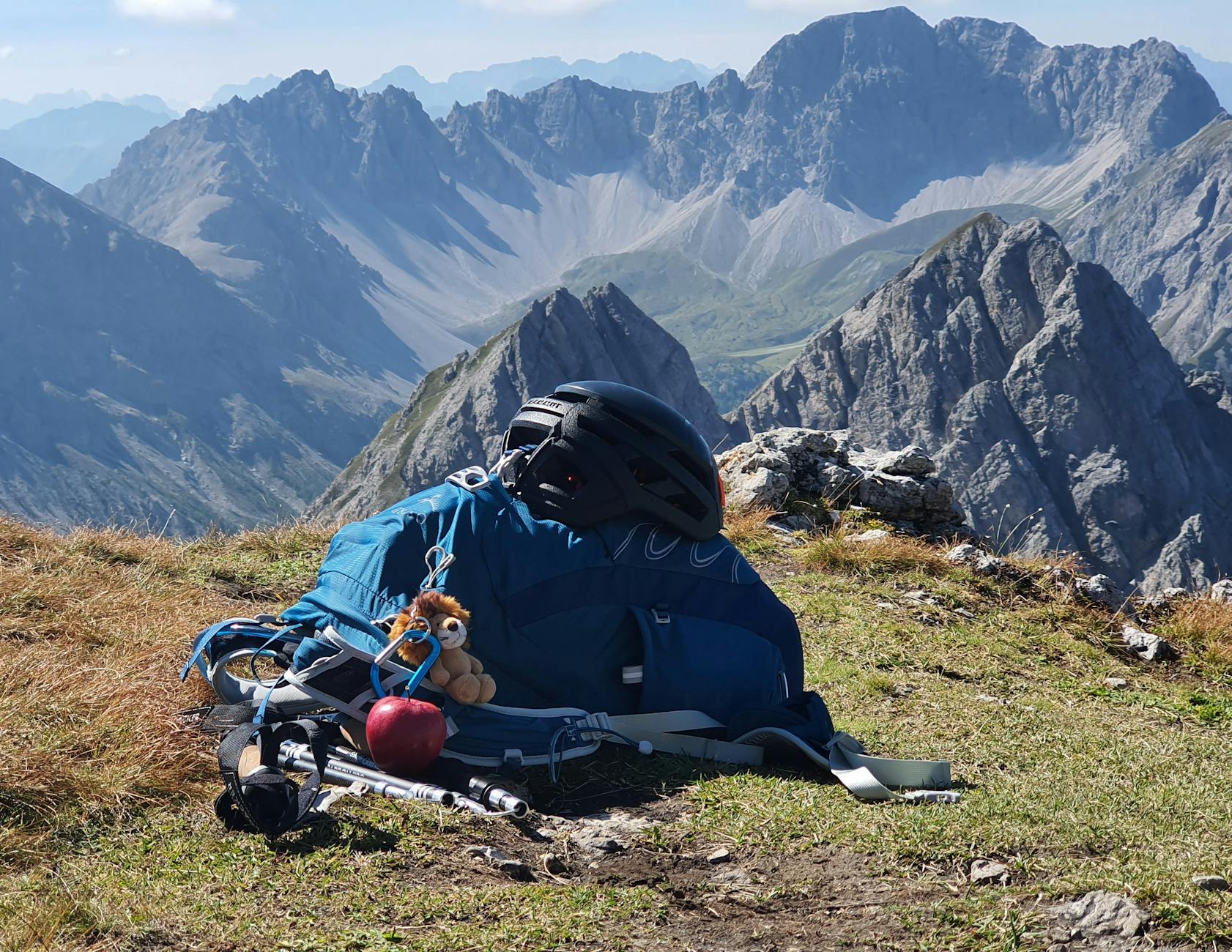
    Hiker with trekking poles enjoying panoramic view of a lake and mountains in New Zealand
    The Lake Taupo region offers incredible hiking with views of the lake and surrounding volcanic peaks.

    How Much Does Backpacking Lake Taupo Cost? A Realistic Daily Budget

    One of the biggest questions for any backpacker is “how much will this actually cost me?” Taupo is one of the more affordable stops on a New Zealand trip, but adventure activities can blow a budget quickly if you are not strategic. Here is a realistic daily breakdown in New Zealand dollars, based on current 2026 prices. For a comprehensive cost analysis, see our full Lake Taupo backpacker budget breakdown.

    Budget Backpacker: NZD $80–$120 per Day

    This is the bare-bones-but-comfortable tier. You are sleeping in hostel dorms, cooking most of your own meals, and filling your days with free activities.

    Accommodation: NZD $25–$35 per night for a hostel dorm bed. Taupo’s hostels are competitively priced, with dorms at Haka House starting around NZD $28 and Finlay Jack’s Backpackers from NZD $25. Freedom camping is free if you have a certified self-contained vehicle.

    Food: NZD $15–$25 per day if you shop at Countdown or PAK’nSAVE and cook in hostel kitchens. A week’s groceries runs NZD $120–$175. Allow for the occasional pie from a bakery (NZD $5–$7) or a takeaway meal (NZD $12–$18).

    Transport: NZD $0–$10 per day if you are already in Taupo. The town centre is walkable. The Taupo Connector local bus costs NZD $2 per ride. Bike rentals start around NZD $20 per day.

    Activities: NZD $0–$30 per day. Many of Taupo’s best experiences are free — Huka Falls, the lakefront walkway, Spa Thermal Park hot springs, Craters of the Moon (NZD $8 adult entry), and Aratiatia Rapids. Spread your paid activities across your stay to keep daily averages down.

    Mid-Range Backpacker: NZD $130–$200 per Day

    You are still in dorms or occasionally splashing out on a private hostel room, eating out once a day, and doing one or two paid activities.

    Accommodation: NZD $30–$55 per night (private hostel room or budget motel). Food: NZD $30–$45 per day — cook breakfast and lunch, eat dinner out at a mid-range restaurant or cafe. Activities: NZD $50–$100 per day on activity days. This covers things like a Huka Falls jet boat ride (around NZD $115), a Tongariro Crossing shuttle (NZD $50–$60 return), or a boat cruise to the Maori Rock Carvings (from NZD $49).

    Adventure Splurger: NZD $250+ per Day

    This is the “YOLO” tier. You are doing the big-ticket items: skydiving at 15,000 feet (NZD $379+), bungy jumping (NZD $199), white-water rafting (NZD $129), or a scenic helicopter flight (NZD $250+). These are one-off costs that spike individual days. Most backpackers pick one or two splurge activities during their stay and keep other days lean.

    Money-Saving Tips for Taupo

    Book adventure activities online in advance — operators frequently offer 10–15% web-only discounts. Look into combo deals that bundle multiple activities (bungy plus jet boat, for example) at a reduced rate. Fill your water bottle from the tap — New Zealand tap water is safe and excellent. Hit the Saturday market (9am–1pm) at Riverside Park for fresh produce at lower prices than supermarkets. Take advantage of free activities — Taupo has more free things to do than almost anywhere else on the backpacker circuit. Ask at the i-SITE Visitor Centre about current deals and standby discounts.

    Where to Stay in Taupo on a Backpacker Budget

    Taupo punches above its weight for budget accommodation. The town has a solid lineup of backpacker hostels, plus camping and freedom camping options that bring costs down even further. For detailed reviews and comparisons, see our complete guide to where to stay in Taupo on a budget.

    Hostels

    Taupo has around half a dozen dedicated backpacker hostels, all within walking distance of the lake and town centre. Haka House Taupo is the standout for most backpackers — clean, modern, well-located near the lake, with a social common area and helpful staff. Dorms from around NZD $28 per night, private rooms from around NZD $75. Finlay Jack’s Backpackers (YHA Taupo) is a reliable, well-maintained option popular with families and solo travellers alike, known for consistently clean bathrooms and kitchens. Dorms from NZD $25, privates from NZD $65. YHA membership gets you a discount. Base Taupo skews younger and more social, with a bar on-site and events aimed at the party crowd. Urban Retreat Backpackers and Tiki Lodge are smaller, cosier alternatives that foster a more intimate atmosphere. For full reviews, see our best backpacker hostels in Taupo guide.

    Camping and Holiday Parks

    If you are travelling by campervan or have a tent, campground options start from around NZD $18–$25 per person per night at sites like Taupo DeBretts Holiday Park (which includes access to hot pools) and Lake Taupo Holiday Resort. DOC (Department of Conservation) campsites in the surrounding area offer even cheaper options, sometimes as low as NZD $8–$15 per night for basic facilities.

    Freedom Camping

    Freedom camping is legal in some areas around Taupo, but only if you have a certified self-contained vehicle. The rules have tightened in recent years, and fines for camping in non-designated areas are steep (NZD $200+). Always check the CamperMate app or the Taupo District Council website for current designated freedom camping spots. For full details, see our freedom camping in Taupo guide.

    Getting to Lake Taupo

    Taupo is well-connected by road and bus, though it does not have commercial flight service. For the full breakdown of every transport option, see our complete getting to Taupo transport guide.

    From Auckland (280 km, ~3.5 hours drive)

    Bus: InterCity runs daily services from Auckland to Taupo. The journey takes approximately 4.5–5 hours and costs from NZD $25–$55 depending on how far in advance you book. The FlexiPass is worth considering if you are doing multiple legs (20 hours for NZD $225). Driving: Take State Highway 1 south through Hamilton and then southeast via Tokoroa, or the more scenic route via Rotorua on SH5. The drive takes around 3.5–4 hours. Shuttle: Private shuttle services operate direct transfers from Auckland Airport, typically NZD $80–$120 per person.

    From Rotorua (80 km, ~1 hour drive)

    Bus: InterCity buses run daily, taking about 1 hour 15 minutes and costing approximately NZD $20–$40. Driving: A straightforward 80 km drive south on SH5, taking about an hour through native bush and farmland.

    From Wellington (370 km, ~4.5 hours drive)

    Bus: InterCity services take approximately 5.5–7 hours, costing NZD $35–$60. Driving: Head north on SH1. The drive takes around 4.5 hours with stops. Backpacker Buses: If you are using a hop-on, hop-off backpacker bus service like Stray or Kiwi Experience, Taupo is a standard stop on North Island routes.

    Getting Around Taupo

    Taupo town is compact and walkable. You can cover the main strip from the i-SITE to the lake in about ten minutes on foot. For attractions further out, here are your options.

    Walking and cycling: The Great Lake Walkway stretches 10 kilometres along the lakefront and is flat and paved. Several hostels rent bikes, and dedicated bike rental shops charge from NZD $20–$40 per day. Taupo Connector bus: Three local bus routes converge at the i-SITE, with fares at NZD $2 per trip. Shuttle services: For the Tongariro Crossing and other out-of-town destinations, shuttle operators run daily services. The Tongariro Crossing shuttle costs NZD $50–$60 return from Taupo — book at least a day ahead in summer. Car rental: If you want maximum flexibility, rates start from around NZD $40–$60 per day for a compact car.

    Top Things to Do in Taupo on a Backpacker Budget

    Taupo’s strength is the sheer range of experiences available, with a surprising number costing nothing at all. For a comprehensive overview, see our complete things to do in Lake Taupo guide.

    Free and Low-Cost Activities

    Soak in the free hot springs at Spa Thermal Park: Follow the Otumuheke Stream from Spa Thermal Park to where geothermally heated water meets the cool river. Find your perfect temperature spot and soak for free, surrounded by native bush. It is about a 25-minute walk from the town centre. Bring a towel and go in the late afternoon when the light through the steam is magical.

    Huka Falls powerful rapids flowing through lush green forest in Taupo New Zealand
    Huka Falls — New Zealand’s most visited natural attraction, where 220,000 litres of water per second thunder through a narrow gorge. Completely free to visit.

    Walk to Huka Falls: New Zealand’s most visited natural attraction is completely free. The falls are 5 km north of town, reachable by a pleasant walking trail from Spa Thermal Park (about one hour) or a short drive. Watch 220,000 litres of water per second thunder through a narrow gorge into a brilliant turquoise pool.

    Watch the Aratiatia Rapids: A dam upstream releases water several times daily (typically 10am, 12pm, and 2pm, with an additional 4pm release in summer). The canyon floods dramatically within minutes — completely free and genuinely spectacular.

    Walk the Great Lake Walkway: This 10 km flat, paved path follows the shoreline from the yacht club to Five Mile Bay. Gorgeous at sunset. Hike to the top of Mount Tauhara: A steady 2–3 hour return climb with panoramic views over the lake and Tongariro volcanoes. See our Mount Tauhara summit track guide. Craters of the Moon: A geothermal walkway with bubbling craters and steam vents for just NZD $8 — one of the best-value geothermal experiences in the country.

    Adventure Activities Worth the Splurge

    Tandem skydiving freefall with breathtaking aerial view of the landscape below
    Taupo is the cheapest place to skydive in New Zealand — and the views from 15,000 feet over the lake are unforgettable.

    Skydiving: Taupo is the cheapest place to skydive in New Zealand, and many backpackers come specifically for this. Jump from 12,000 or 15,000 feet with Taupo Tandem Skydiving, with views stretching from the lake to both coasts on a clear day. Prices start around NZD $299 for 12,000 feet and NZD $379 for 15,000 feet. Book online for the best rate. See our full skydiving in Taupo guide.

    Bungy jumping: The Taupo Bungy, operated by AJ Hackett, is the highest water-touch bungy in New Zealand — a 47-metre leap above the Waikato River at NZD $199. See our bungy jumping in Taupo guide. Huka Falls Jet Boat: Blast up the Waikato River at 80 km/h to the base of Huka Falls — the only jet boat permitted to go there. Around NZD $115. See our Huka Falls jet boat guide.

    White-water rafting: The Tongariro River offers over 60 Grade 3 rapids through pristine forest and volcanic landscape. A half-day trip costs around NZD $129. Keep an eye out for the whio, New Zealand’s rare native blue duck.

    Kayaking to the Maori Rock Carvings: Paddle across the lake to the enormous carvings at Mine Bay, accessible only from the water. Guided kayak tours run around NZD $80–$130. Alternatively, a sailing or cruise trip starts from NZD $49. See our kayaking to the Maori Rock Carvings guide.

    Hiking Near Lake Taupo

    The Lake Taupo region is a hiker’s paradise, with trails ranging from gentle lakeside strolls to one of the world’s most famous alpine crossings. For the complete trail guide, see our hiking and walks around Lake Taupo pillar page.

    Tongariro Alpine Crossing

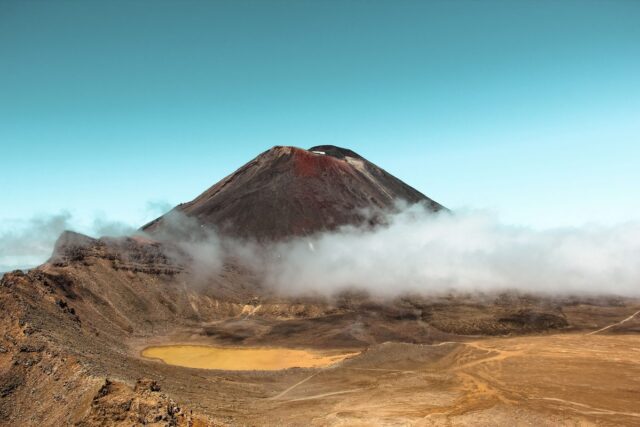
    Emerald Lakes along the Tongariro Alpine Crossing surrounded by volcanic terrain in New Zealand
    The turquoise Emerald Lakes are the iconic highlight of the Tongariro Alpine Crossing — frequently rated one of the world’s best day walks.

    This 19.4 km one-way hike across active volcanic terrain is frequently described as New Zealand’s best day walk. You will climb nearly 800 metres in altitude to 1,900 metres above sea level, passing ancient lava flows, the dramatic Red Crater, turquoise Emerald Lakes, and panoramic views of the Central Plateau. It takes 6–8 hours to complete and requires a moderate to good level of fitness.

    Shuttle transport from Taupo is essential (the trail is point-to-point, not a loop) and costs NZD $50–$60 return, with departures as early as 5:45 am. Book ahead in summer. The track can close in bad weather — leave flexibility in your schedule. For the full guide, see our Tongariro Alpine Crossing backpacker guide.

    Great Lake Trail

    One of New Zealand’s 22 Great Rides, this 71 km mountain biking and walking trail wraps around the forested western shores of Lake Taupo. The trail passes through native bush, past waterfalls, over deep gorges, and along volcanic cliffs. It is broken into three sections — Waihaha (30 km), Kawakawa (19 km), and W2K (21 km) — and can be tackled over two to three days or sampled in shorter sections. Rated Grade 3 (intermediate). Base yourself in Kinloch for easiest access. See our Great Lake Trail guide.

    Short Walks

    For easier options, the Huka Falls walk (2.7 km, about one hour), the Mount Tauhara summit track (2–3 hours return), and the Craters of the Moon loop (45 minutes) all deliver impressive scenery without requiring a full day. The Waikato River trails along the riverbank are flat, shaded, and suitable for any fitness level. See our guide to the best short walks near Taupo.

    Fishing at Lake Taupo

    Lake Taupo is one of the world’s premier trout fisheries, and you do not need to be an experienced angler to enjoy it. The lake and its tributary rivers are home to both rainbow and brown trout, with some fish exceeding 5 kg. For the complete guide, see our fishing Lake Taupo pillar page.

    The key things backpackers should know: you need a specific Taupo Fishing District licence (different from the standard NZ licence), managed by the Department of Conservation. A 24-hour licence costs around NZD $20 and is the best option for a quick session. The season is open year-round on the lake, though river mouth and tributary fishing peaks from April to October during spawning runs. Fishing hours are 5am to midnight daily, and the daily bag limit is six trout with a minimum size of 35 cm. See our Taupo fishing license guide for full details.

    Budget tip: Shore fishing with basic spin gear from spots like the Waitahanui Rip or the river mouths is free beyond the licence cost and can be incredibly productive. You do not need a guide or a boat. See our budget fishing tips guide.

    Geothermal Attractions

    Colourful geothermal landscape with thermal textures and lake view near Taupo New Zealand
    The Taupo region sits on one of the most active geothermal zones on the planet — with everything from free hot springs to world-class thermal parks.

    Taupo sits on one of the most active geothermal zones on the planet, and the evidence is everywhere — steam rising from roadside drains, hot streams winding through parks, and entire landscapes transformed by volcanic activity. For the full rundown, see our geothermal attractions near Taupo guide.

    The free hot springs at Spa Thermal Park are the backpacker favourite, but they are just the beginning. Orakei Korako, about 25 minutes north of town, is often described as New Zealand’s hidden geothermal gem — a hillside of active geysers, steaming terraces, gemstone-coloured pools, and the country’s only geothermal cave (around NZD $43 adult entry). Craters of the Moon offers a surreal lunar landscape for just NZD $8. The Wairakei Terraces combine hot pools with a thermal walkway. And Taupo DeBretts has commercial hot pools, hydroslides, and spa facilities for when you want reliable hot water and a bit of luxury.

    Maori Culture and History

    Maori Rock Carvings at Mine Bay on Lake Taupo New Zealand carved into cliff face
    The Mine Bay Maori Rock Carvings — over 14 metres tall and only accessible from the water — are one of Lake Taupo’s most powerful cultural landmarks.

    Lake Taupo is not just scenery — it carries deep cultural significance. The lake’s full Maori name is Taupo-nui-a-Tia, meaning “the great cloak of Tia,” after the explorer Tia who, according to Maori tradition, discovered the lake. The lake bed and its tributaries are owned by Ngati Tuwharetoa, the iwi (tribe) whose whakapapa (lineage) is woven into every feature of this landscape.

    The most visible cultural landmark is the Mine Bay Maori Rock Carvings — over 14 metres tall, carved into the cliff face at Mine Bay by master carver Matahi Brightwell in the late 1970s. They depict Ngatoroirangi, the navigator who guided the Tuwharetoa and Te Arawa canoes to the Taupo region. The carvings are only accessible from the water by boat, kayak, or paddleboard. For the full story, see our Maori culture, history, and volcanic heritage guide.

    As a backpacker, learning the basics of local tikanga (customs) enriches your visit enormously. Respect signs asking you to stay on tracks near sacred sites, learn a few te reo Maori place names (Taupo alone tells a story), and consider joining a cultural tour or hangi (traditional earth-oven feast) experience during your stay.

    What to Pack for Backpacking Lake Taupo

    Packing for Taupo means packing for New Zealand’s famously changeable weather, plus gearing up for a mix of hiking, water activities, and town wandering. For the complete checklist, see our Lake Taupo packing list for backpackers.

    Clothing Essentials

    Layering system: New Zealand’s weather can shift from sunshine to rain within an hour. Build your wardrobe around layers: a merino wool or synthetic thermal base layer, a mid-layer fleece or down jacket, and a waterproof shell jacket. Avoid cotton — when it gets wet, it draws heat away from your body and takes forever to dry.

    Rain gear: A proper waterproof jacket (Gore-Tex or equivalent — waterproof, not water-resistant) is non-negotiable. Waterproof over-trousers are worth carrying if you plan to hike the Tongariro Crossing or spend extended time outdoors.

    Footwear: Sturdy hiking boots with good ankle support for the trails, plus a pair of lightweight sandals or jandals (flip-flops) for hostels, hot springs, and town walking. Sun protection: The New Zealand sun is fierce — UV levels are significantly higher than at equivalent latitudes in the Northern Hemisphere due to thinner ozone. Pack SPF 50+ sunscreen, a wide-brimmed hat, and good sunglasses.

    Gear Essentials

    Daypack: A 20–30 litre daypack for hikes and excursions. For the Tongariro Crossing, you will want one that can carry 2+ litres of water, food, and your rain layers. Water bottle: Reusable, at least 1 litre. Carry at least 2 litres for the Tongariro Crossing as there is no drinking water on the track. Swimwear and towel: You will use these more than you expect — for the lake, hot springs, and hot pools. A quick-dry travel towel saves pack space. Head torch: Essential for early-morning Tongariro shuttle pickups and hostel dorm navigation. First aid kit: Including blister plasters (you will need these after the Tongariro Crossing), pain relief, and antiseptic. Insect repellent: Sandflies can be aggressive near the lake and rivers, especially in the evening. DEET-based repellent works best. Pack liner or dry bags: Keep your gear dry inside your backpack — New Zealand rain does not care about your departure schedule.

    Backpacker walking a scenic trail at sunset in New Zealand with golden light
    Pack layers, waterproofs, and sturdy boots — New Zealand’s weather is changeable but the trails are worth every step.

    Sample 3-Day Backpacking Itinerary

    This is a taste of what three well-planned days in Taupo look like. For more detailed day-by-day plans, see our 3-day, 5-day, and 7-day Lake Taupo itineraries.

    Day 1: Arrive and Explore Town

    Arrive in Taupo and check into your hostel. Walk the Great Lake Walkway along the lakefront to get your bearings and enjoy the views of the volcanic plateau. In the afternoon, head to Spa Thermal Park and soak in the free hot springs where the Otumuheke Stream meets the Waikato River. Grab groceries from Countdown or PAK’nSAVE and cook dinner at the hostel. If it is a Saturday, hit the Riverside Park market first for fresh produce.

    Day 2: Tongariro Alpine Crossing

    Catch the early shuttle (5:45 am or 7:15 am) to the Mangatepopo trailhead. Hike the full 19.4 km Tongariro Alpine Crossing — one of the world’s great day walks. You will cross volcanic landscapes, peer into active craters, pass turquoise lakes, and take in views that stretch to both coastlines on a clear day. The shuttle returns you to Taupo in the late afternoon. Reward yourself with dinner out — you have earned it. Hot tip: pack at least 2 litres of water, plenty of food, sun protection, and all your rain layers regardless of the forecast.

    Hikers near Mount Ngauruhoe volcanic landscape in Tongariro National Park New Zealand
    Mount Ngauruhoe (also known as Mount Doom from Lord of the Rings) looms over the Tongariro Alpine Crossing trail.

    Day 3: Huka Falls, Hot Springs, and Adrenaline

    Walk or cycle to Huka Falls in the morning (5 km from town, about an hour on foot). Continue along the Waikato River trail to the Aratiatia Rapids and time your visit for a dam release. In the afternoon, choose your adventure: skydive over the lake, take a jet boat to the base of Huka Falls, or kayak to the Maori Rock Carvings at Mine Bay. Alternatively, keep it free with a hike up Mount Tauhara for sunset views over the lake.

    Solo Backpacking in Taupo

    Taupo is an excellent destination for solo backpackers. The hostel scene is sociable without being overwhelming, and the compact town makes it easy to meet other travellers at the hot springs, on shuttle buses, and over hostel kitchen dinners. Safety is generally not a concern — Taupo has a low crime rate and a welcoming, laid-back atmosphere.

    Tips for solo travellers: hostels like Haka House and Finlay Jack’s have communal areas designed for mixing. Group activities like rafting, kayaking tours, and the Tongariro Crossing shuttle naturally bring solo travellers together. If you are arriving alone and want company for the crossing, most shuttle operators group people and you will find hiking buddies easily. For the full guide, see our Lake Taupo solo backpacking guide.

    Practical Tips and Local Knowledge

    Wi-Fi: Most hostels offer free Wi-Fi, though speeds vary. The Taupo District Library on Story Place has free Wi-Fi and comfortable seating if you need to plan or book. SIM cards: Pick up a prepaid SIM from Spark, Vodafone, or 2degrees at the Warehouse or electronics shops in town. Spark has the best rural coverage. i-SITE Visitor Centre: Located at 30 Tongariro Street, the i-SITE is genuinely useful. Staff can book activities, check Tongariro Crossing weather, and often know about unadvertised deals.

    Laundry: Most hostels have coin-operated washers and dryers, plus self-service laundrettes in town. Medical: Taupo has a medical centre and pharmacy on the main street. For emergencies, dial 111. The nearest hospital is in Rotorua (about 1 hour). Sandflies: They are real, they are hungry, and they love the lakefront at dusk. Wear long sleeves in the evening and carry repellent. Tap water: Safe to drink everywhere. Fill your bottle and save money. Tipping: Not expected or customary in New Zealand.

    Day Trips from Taupo

    Taupo’s central location makes it an ideal base for exploring the wider region. For the complete guide, see our day trips from Taupo pillar page.

    Tongariro National Park: Just under an hour south, this dual World Heritage Site is home to the Alpine Crossing, the Northern Circuit multi-day hike, and in winter, two ski fields. Rotorua: About an hour north for geothermal parks, Maori cultural experiences, and mountain biking. Orakei Korako: A 25-minute drive north to one of the world’s most impressive geothermal areas. Huka Falls and Wairakei: Combine a morning at Huka Falls with the Wairakei Terraces — all within 15 minutes of town. Turangi: The quieter town at the southern end of the lake, gateway to prime fly-fishing country.

    Taupo for Families

    While this guide is aimed at backpackers, Taupo is also outstanding for family travel. The lake has safe swimming beaches, DeBretts has a family-friendly water park, there are farm visits, mini golf, and plenty of easy walks suitable for younger legs. For the complete family resource, see our Lake Taupo with kids guide.

    Frequently Asked Questions

    Is Taupo worth visiting for backpackers?

    Taupo is one of the best backpacker stops in New Zealand. It combines free natural attractions like hot springs and waterfalls with world-class adventure activities at competitive prices. The compact town, affordable hostels, and central North Island location make it an easy and rewarding stop on any itinerary.

    How many days should I spend in Taupo?

    Plan for a minimum of two to three days to cover the highlights — the Tongariro Alpine Crossing, Huka Falls, and the free hot springs. If you want to add fishing, adventure activities, or day trips, four to five days will serve you well. Many backpackers end up extending their stay.

    Is Lake Taupo safe for swimming?

    Yes. The lake has several beaches with gentle entries suitable for swimming. The water is clean and clear. However, the lake is large and conditions can change — avoid swimming far from shore and be aware of boat traffic near the marina. The geothermal hot springs are separate from the lake and vary in temperature, so test with your hand first.

    Can I do the Tongariro Alpine Crossing from Taupo?

    Absolutely. Taupo is the most popular base for the crossing, with multiple shuttle operators running daily services to the Mangatepopo trailhead and picking up from the Ketetahi end. The shuttle takes about 1.5 hours each way. Book ahead in summer.

    What is the cheapest accommodation in Taupo?

    Hostel dorm beds start from around NZD $25 per night. Freedom camping is free if you have a certified self-contained vehicle. DOC campsites nearby start from NZD $8–$15 per night for basic facilities. Backpacker holiday parks with tent sites start from around NZD $18 per person.

    Do I need a car in Taupo?

    Not necessarily. The town centre is walkable, there is a local bus service, and shuttle operators cover the main attractions and the Tongariro Crossing. However, a car gives you more flexibility for day trips and access to more remote spots like Orakei Korako and the western bays of the lake.

  • Hello world!

    Welcome to WordPress. This is your first post. Edit or delete it, then start writing!