Taupo gets somewhere between 1,100 and 1,350mm of rain a year depending on which record you use, spread across roughly 125 wet days, which means if you’re here for a week you should expect two of them to be grey. The good news is that this is one of the few adventure towns in New Zealand where rain doesn’t wreck the day — you’re in a geothermal region, and sitting in 40°C water while it drizzles is better than sitting in it when it’s sunny. This guide covers every worthwhile rainy day activity in Taupo, split into things that are genuinely improved by bad weather, proper indoor options with 2026 prices, and the free ones for when the weather has already eaten your budget. For everything else the region offers, see our main guide to things to do in Lake Taupo.

First, Don’t Write Off the Outdoors
The instinct when it rains is to go indoors. In Taupo that’s often the wrong call, because several of the region’s best attractions are either unaffected by rain or actively better in it. Before you book a cinema ticket, consider that you’re standing in a place where the ground produces its own heat.
The rule of thumb: geothermal, water-based and covered-walkway attractions are fine in rain. Alpine hikes, the lake itself and anything involving a small aircraft are not. Our Taupo weather guide covers how the patterns work and how fast conditions shift here.
When You’ll Actually Hit Rain
Worth knowing before you build an itinerary, because the odds shift a lot by month. June and July are the wettest, at roughly 14 rain days each, and also the coldest — but this is when the geothermal attractions are at their best and the hostels are half empty. February is the driest at around nine rain days, which is why everyone comes then and why beds cost more. September and October sit in between at 13 to 14 rain days but with fast-moving fronts and long clear gaps, which is why the shoulder season works better than the raw numbers suggest.
The number that matters more than annual rainfall is how long rain lasts here. Taupo sits inland on the volcanic plateau, sheltered from the worst of both coasts, and weather generally tracks through rather than parking up. A day forecast as wet frequently delivers three hours of rain and six hours of usable grey — which is why the fallback list below is a list of options rather than a plan for the day.
Things That Are Better in the Rain

Otumuheke Stream at Spa Thermal Park
The free geothermal pools at Spa Thermal Park are the single best rainy day activity in Taupo, and it costs nothing. A hot stream drops into the Waikato River forming natural pools that run to about 40°C at the top. When it’s raining you get cold air on your face, hot water everywhere else, steam thickening around you, and — the real prize — hardly anyone else there. On a sunny January afternoon this place is packed. In drizzle you might have a pool to yourself.
Cost: free. Hours: gates 7:00am to 8:00pm. Getting there: 25 to 30 minutes’ walk from town, or five minutes by car, then an eight-minute path down through the reserve. Bring: a dry bag or plastic bag for your clothes, because the changing rooms help but the walk back doesn’t. Don’t put your head under. More in our guides to free hot springs in Taupo and free things to do in Taupo.
AC Baths
The council-run thermal pool complex on Spa Road, and the best-value paid activity in town on a wet day. Geothermally heated indoor and outdoor pools, a sauna, private thermal pools and two hydroslides. The outdoor leisure pool in the rain is the whole point — you’re warm, it’s grey overhead, and nobody cares.
2026 prices: adult entry including sauna NZ$10, students and seniors NZ$6, children 6 to 15 NZ$5, family pass NZ$24. Unlimited hydroslide rides are NZ$7 on top; a private thermal pool is NZ$15 per person with a two-person minimum. Backpacker note: tog hire is NZ$5 and towel hire NZ$7, which is useful if yours are already soaked, but bring your own if you can — that’s more than the entry fee. At NZ$10 this is the cheapest way to spend three warm hours in Taupo.
Craters of the Moon
Counter-intuitively, a geothermal field is more dramatic in cold, wet, still weather. Steam that barely registers on a hot January afternoon becomes thick white columns when the air is cool and saturated. The 45-minute boardwalk loop through the crater field is well formed, and while there’s no shelter, it’s a short enough circuit to do in a raincoat without misery.
Cost: NZ$10.20 adult, NZ$5.10 for children 5 to 15. Verdict: genuinely the best value paid attraction in the district and better in the weather most people avoid it in. Detail in our Craters of the Moon walk guide and the wider geothermal attractions near Taupo pillar.
Huka Falls and the Aratiatia Release
Neither cares about rain. Huka Falls is already 220,000 litres a second of white water; a bit more falling from the sky changes nothing except the crowd size, and the viewing platforms are a two-minute walk from the car park. The Aratiatia dam release runs to schedule regardless — 10:00am, 12:00pm and 2:00pm year-round, plus 4:00pm from October to March. Heavy rain upstream can actually mean a bigger spill.
The one adjustment: skip the 3km riverside walk from Spa Park in serious rain, because the track gets slick and there’s no shelter for an hour. Drive or get a lift instead. Trail detail is in our Huka Falls walk guide.
Proper Indoor Activities
Taupo Museum and the Ora Garden

Small, cheap and better than it has any right to be. The Maori collection includes a carved meeting house, and the volcanic history section explains the eruption that created the lake you’ve been looking at — worth an hour on its own if you’ve come from the Tongariro side of the region. There’s an art gallery attached and the Ora Garden of Wellbeing outside, which is free whether or not you go in.
Cost: NZ$6 for adult non-residents, NZ$4 students and seniors, free for children and Taupo district residents. Time needed: an hour to ninety minutes. Background on what you’ll see is in our pillar on Maori culture, history and volcanic heritage of Lake Taupo.
Taupo Rockwall
A 12-metre indoor climbing wall at the Taupo Events Centre next to the AC Baths, with graded routes and a bouldering section at the base for people who’ve never climbed. Staff will teach you to belay. This is the best rainy-day option if you’ve got energy to burn and a skydive that just got cancelled.

2026 prices: adult NZ$12.50, student with ID NZ$10.50, under 16 NZ$9.50, bouldering only NZ$6.50, harness hire NZ$5 unless you have your own. Note: opening hours vary day to day, so check before you walk over. Combine it with the AC Baths next door and you have a full wet day for under NZ$30.
Lava Glass
A glassblowing studio and gallery on the Wairakei side of town where you watch artists working molten glass, then walk a sculpture garden studded with glass pieces. The studio is indoors and warm; the garden is not, but it’s a short loop. There’s a café attached, which matters when the alternative is standing in a car park.
Cost: NZ$12.50 for the glassblowing studio, NZ$12.50 for the sculpture garden, or NZ$20 for a combination ticket. Under-5s free. Verdict: a genuine surprise for most backpackers, who don’t come to New Zealand expecting to spend an hour watching glass being made and then find it was a highlight.
Huka Honey Hive
Free entry, free tastings of honey, mead and honey liqueur, live beehives behind glass, and no pressure to buy. Ten minutes north of town in the Wairakei tourist strip, open 10am to 5pm weekdays and 9am to 5pm weekends. On a wet day this is a free, warm, indoor 45 minutes with alcohol samples at the end, which is a hard combination to beat on a backpacker budget.
Bowling, Arcades and Mini Golf

The Cave on the Wairakei side has tenpin bowling, trampolines, a ninja course, an arcade and a pizza bar under one roof — the standard fallback when a group needs somewhere dry and loud. Mind Junction at Taupo DeBretts is the other option: entry is free and you pay per activity, roughly NZ$8 to 40 each, with a VIP pass at NZ$40 for adults and NZ$35 for children covering the LEGO room, maze, mini golf and discovery centre.
Honest verdict: both are aimed at families rather than backpackers, and neither is why you came to New Zealand. But a NZ$40 pass is a reasonable way to kill four hours of a washout day if you’re travelling in a group. If you have kids with you, see our Lake Taupo with kids guide.
Starlight Cinema
Taupo’s cinema on Story Place, showing current releases in comfortable seats. 2026 prices: NZ$20 for adults, NZ$18 for students aged 13 to 17, NZ$15 for seniors and children 3 to 12. It’s not cheap by backpacker standards — that’s two nights of groceries — but on a full washout day it’s three warm hours and the seats are better than a hostel couch. Book online and pick your seat if it’s a wet weekend.
Wairakei Terraces
Silica terraces, a geyser and a recreated Maori village on the Wairakei side, with adults-only thermal pools attached. The terraces walk is outdoors but short and formed, and the steam is better in cool weather for the same reason it is at Craters. The pools are a more expensive, more sedate alternative to the AC Baths if you want somewhere quiet rather than somewhere with hydroslides.
Honest verdict: the terraces are beautiful but the combined cost of walk plus pools stacks up fast for what you get, and Craters of the Moon delivers more geothermal spectacle for NZ$10.20. Worth it if you specifically want adults-only thermal bathing on a grey afternoon and can’t face a crowded public pool.
Eating and Drinking Out the Weather
A wet day is the day the hostel kitchen loses its appeal, and Taupo is small enough that the good places are all within a few blocks of the lakefront. This is also the cheapest legitimate way to spend three hours somewhere warm: one long coffee, one long lunch, and nobody minds if you sit.
What it costs: a flat white runs NZ$5.50 to 7, a decent café brunch NZ$18 to 26, a pub meal NZ$22 to 32, and a bakery pie NZ$6 to 8 — which is what most backpackers actually eat on a rainy walk between attractions. Tongariro Street and the lakefront have the highest concentration of options, and several cafés have big windows facing the lake, which turns watching the weather into the activity. Our Taupo food and dining guide covers where to eat well without spending like a tourist.
A tip that saves real money: most Taupo cafés stop serving brunch around 2pm and quiet right down afterwards. Between 2pm and 5pm on a wet weekday you can nurse a NZ$6 coffee in a warm room with wifi and a lake view for as long as you like, which is a far better deal than the cinema.
Wet Weather Day Trips
If it’s raining in Taupo it’s often raining across the central North Island, but a couple of drives are worth doing anyway because the destinations are weather-proof.
Rotorua, an hour north, has the region’s biggest concentration of indoor and semi-indoor attractions — museums, geothermal parks with covered walkways, Maori cultural experiences and a lot more thermal bathing. It’s the obvious wet-day escape if you have transport and a full day. Orakei Korako, about 25 minutes north of Taupo, is a geothermal park reached by boat across a lake and is arguably the best thermal site in the region; like Craters, it’s better in cool weather. Napier, two hours east, sits in one of the driest parts of the country — if the forecast shows rain over the volcanic plateau but clear on the coast, that’s a legitimate reason to point the car east for the day.
The rest of the region’s options are in our day trips from Taupo guide.
Free Rainy Day Options

If the weather has already cost you a paid activity, here’s the zero-dollar list. Otumuheke Stream as above, which is the best free thing in town in any weather. Huka Honey Hive, free with tastings. Taupo Library on Story Place — free wifi, warmth, power points and actual chairs, and nobody will move you on. The Ora Garden beside the museum, free and open outside museum hours. Hostel common rooms, which in Taupo are unusually good because so many people are here waiting out weather for the Tongariro Crossing or a skydive — a wet afternoon in a Taupo hostel lounge is one of the more social experiences in New Zealand backpacking, covered in our Taupo solo travel guide.
Also worth doing on a wet day because it’s free and you have to do it eventually: laundry, resupply at Pak’nSave, rebooking the activities the weather just cancelled, and planning the rest of your route. Nobody enjoys admin days, but doing them in rain instead of sun is the correct trade.
What to Skip When It’s Raining
The Tongariro Alpine Crossing. Not a judgement call — in rain and low cloud the Crossing is genuinely dangerous, with exposed ridgelines, no shelter for hours and wind chill that catches people out every season. Shuttle operators cancel, and when they do, accept it. Reschedule rather than trying to find someone who’ll take you. Detail in our Tongariro Alpine Crossing guide.
Skydiving and scenic flights. They need visual conditions and will be cancelled for you. This is exactly why we suggest booking these for early in your stay — you want spare days for the weather to clear. See our Taupo adventure activities guide.
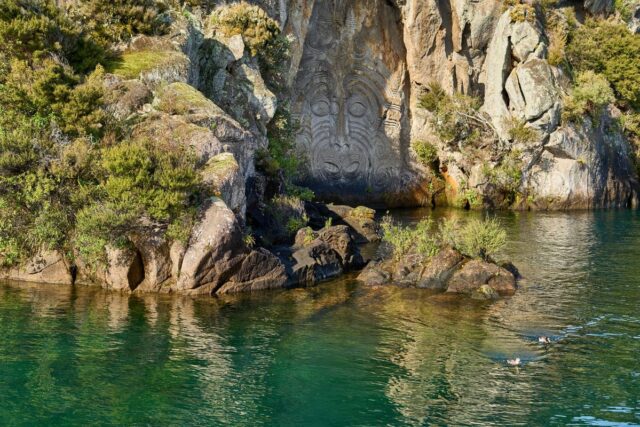
Lake swimming and kayaking. Lake Taupo generates real waves and the weather turns fast. Guided kayak trips to the Mine Bay rock carvings get cancelled in wind, and independent paddling in poor conditions on a lake this size is a bad idea. Mount Tauhara. The steep farmland section turns to mud and the summit view — the entire reason to climb it — will be inside cloud.
Jet boating, on the other hand, runs in the rain. You were going to get soaked anyway.
A Full Wet Day, Costed
Here’s how we’d actually spend a washout in Taupo on a backpacker budget. Morning: Craters of the Moon at opening, NZ$10.20, when the steam is at its most dramatic and the boardwalk is empty. Late morning: Huka Falls viewing platforms on the way back, free, five minutes in the rain. Lunch: Huka Honey Hive for free mead tastings and a dry 45 minutes, then eat the sandwich you brought. Afternoon: Taupo Museum, NZ$6, or the Rockwall at NZ$12.50 if you’d rather move. Late afternoon: Otumuheke Stream, free, in the rain, with steam coming off the river and nobody else there. Evening: cook at the hostel and let the common room do the rest.
Total: about NZ$16 to 30 depending on which afternoon option you pick, plus whatever transport you can arrange to Wairakei. That’s a full, good day — not a consolation day. The full cost picture is in our Taupo backpacker budget breakdown.
Reading the Forecast Properly
Half of managing rain in Taupo is not over-reacting to it. New Zealand weather moves quickly and a forecast showing rain rarely means rain all day — it usually means a front passing through in three hours.
Use MetService rather than your phone’s default weather app, which routinely gets New Zealand’s micro-conditions wrong. MetService gives hourly breakdowns, and an hourly view often shows a clear window big enough to walk to Huka Falls and back. Check the mountain forecast separately if the Tongariro Crossing is in your plans — conditions at 1,800 metres bear no relation to conditions in town, and a pleasant morning in Taupo can coincide with 80kph winds on Red Crater. Watch the wind direction: a westerly usually means showers rolling through with gaps; a settled grey easterly is more likely to sit on the region all day.
The practical upshot is a flexible order of operations. Keep the weather-proof activities — geothermal, museums, indoor — as your fallback list rather than your plan, and reshuffle in the morning based on what the hourly forecast shows. Most people who describe a Taupo trip as rained out simply booked in the wrong order. Our 3-day Taupo itinerary is built to be reordered this way, and the must-do experiences guide flags which highlights are weather-dependent.
Where to Stay for a Wet Trip
This matters more than people expect. A hostel with a decent lounge, a real kitchen and a drying room turns a wet day into a social one; a hostel with a corridor and four bunk rooms turns it into a long afternoon on your phone. Taupo is also compact enough that staying centrally means you can walk to the museum, the library, the cafés, the AC Baths and Spa Thermal Park without getting into a vehicle — which on a rainy day is the whole game.
Two things worth asking about when you book: whether there’s a drying room or heated rack, since wet gear is the recurring problem of a New Zealand winter trip, and how far it is to the town centre on foot. Our guide to where to stay in Taupo on a budget flags which hostels are genuinely walkable and which are out on the highway.
Gear That Makes Wet Days Bearable
New Zealand rain is not a novelty and you will meet it. A real rain jacket matters more here than almost anywhere — a packable shell that actually keeps water out changes a wet day from an ordeal into a slightly damp walk. A dry bag or two for electronics and a spare set of clothes, which is what separates people who enjoy Otumuheke in the rain from people who regret it. A second pair of shoes, because wet boots do not dry overnight in a hostel and you’ll be walking in them tomorrow. Quick-dry towel, which is NZ$7 to hire at the AC Baths every time you forget it.
Full kit list in our Taupo backpacker packing list, and if you’re travelling in the colder months, our winter activities in Taupo guide covers what stays open.
Frequently Asked Questions
What are the best rainy day activities in Taupo?
Soaking in the free geothermal pools at Otumuheke Stream is the best rainy day activity in Taupo, because cold air and hot water are a good combination and the crowds disappear. After that: the AC Baths at NZ$10 for adults, Craters of the Moon at NZ$10.20 where steam is more dramatic in cool wet air, Taupo Museum at NZ$6, and the Taupo Rockwall indoor climbing wall at NZ$12.50.
Is there anything to do in Taupo when it rains all day?
Yes, easily enough for a full day. A typical wet day runs Craters of the Moon in the morning, Huka Falls on the way back, the free Huka Honey Hive with tastings at lunch, Taupo Museum or the indoor climbing wall in the afternoon, and Otumuheke Stream before dinner. That comes to roughly NZ$16 to 30 in total.
Can you still use the hot pools in Taupo when it’s raining?
Yes, and it’s better. Otumuheke Stream at Spa Thermal Park is free and open 7:00am to 8:00pm year-round, and the AC Baths outdoor thermal pool operates in all weather. Rain doesn’t affect geothermal water temperature, and both are far quieter when the weather is poor.
Does the Tongariro Alpine Crossing run in the rain?
Shuttle operators cancel the Crossing in rain, high wind and low cloud, and you should not attempt it in those conditions. The route crosses exposed alpine ridgelines above 1,800 metres with no shelter for several hours, and people are rescued from it every season. Rebook for a clear day rather than looking for an operator who will still take you.
How much rain does Taupo get?
Taupo averages somewhere between 1,100 and 1,350mm of rain a year across roughly 125 rain days, which is moderate by New Zealand standards and far drier than the West Coast. June is typically the wettest month at around 14 rain days and February the driest at about nine. Rain here tends to arrive in fast-moving fronts rather than settling in, so a grey morning often clears by afternoon.
What should you pack for wet weather in Taupo?
A proper waterproof shell jacket, a dry bag for electronics and spare clothes, a quick-dry towel and a second pair of shoes. Wet footwear does not dry overnight in a hostel, and towel hire at the AC Baths is NZ$7 each time you need one, so bringing your own pays for itself quickly.
Final Thoughts
The thing to understand about a wet day in Taupo is that it costs you the Crossing and the skydive, and almost nothing else. The geothermal attractions are indifferent to weather or improved by it, the waterfalls don’t care, and the best free experience in town involves being in hot water while cold rain lands on your head. Move the weather-dependent bookings, keep the rest, and treat the grey day as the one where you finally do the museum and the laundry. It’s a rearrangement, not a write-off.
Back to the main guide: for everything the region offers in any weather, head back to our full guide to things to do in Lake Taupo.