Here’s the short version of Lake Taupo weather month by month: summers (Dec–Feb) are warm and dry-ish with highs of 20–23°C, winters (Jun–Aug) are cold and wet with highs near 10°C and frosty nights, and the shoulder months either side give you the best value. Whatever the calendar says, pack layers and a rain jacket — Taupo can serve up four seasons before lunch. This guide walks through every month so you can pack right and time your trip, and it pairs with our main Lake Taupo backpacking guide for the wider plan.
Understanding Lake Taupo’s Climate
Lake Taupo sits at roughly 356 metres above sea level on the volcanic plateau of the central North Island. That extra height gives it a noticeably different climate from coastal towns at the same latitude. You get a temperate oceanic climate — warm summers, cool winters, and rain spread fairly evenly through the year. Annual rainfall averages around 1,345mm (53 inches), and temperatures run from winter lows near freezing to summer highs that occasionally nudge 30°C.
The lake itself — New Zealand’s largest by surface area — does a lot of the heavy lifting on local temperatures. It acts as a giant heat sink, keeping summers a touch cooler and winters a touch warmer than the altitude alone would suggest. The flip side is that it brews its own weather: cloud can build over the water and drop a shower on a day that started clear.
The one thing every backpacker needs to accept about Taupo is variability. The old Kiwi line about “four seasons in one day” is genuinely true here. You can wake to frost, get a warm sunny afternoon, cop an unexpected shower, and finish under a spectacular sunset — all inside 12 hours. That’s why layering isn’t a nice-to-have; it’s the whole strategy. If you’re weighing up when to come, our guide to the best time to visit Taupo for backpackers lines the seasons up side by side.
Summer Weather in Taupo (December, January, February)
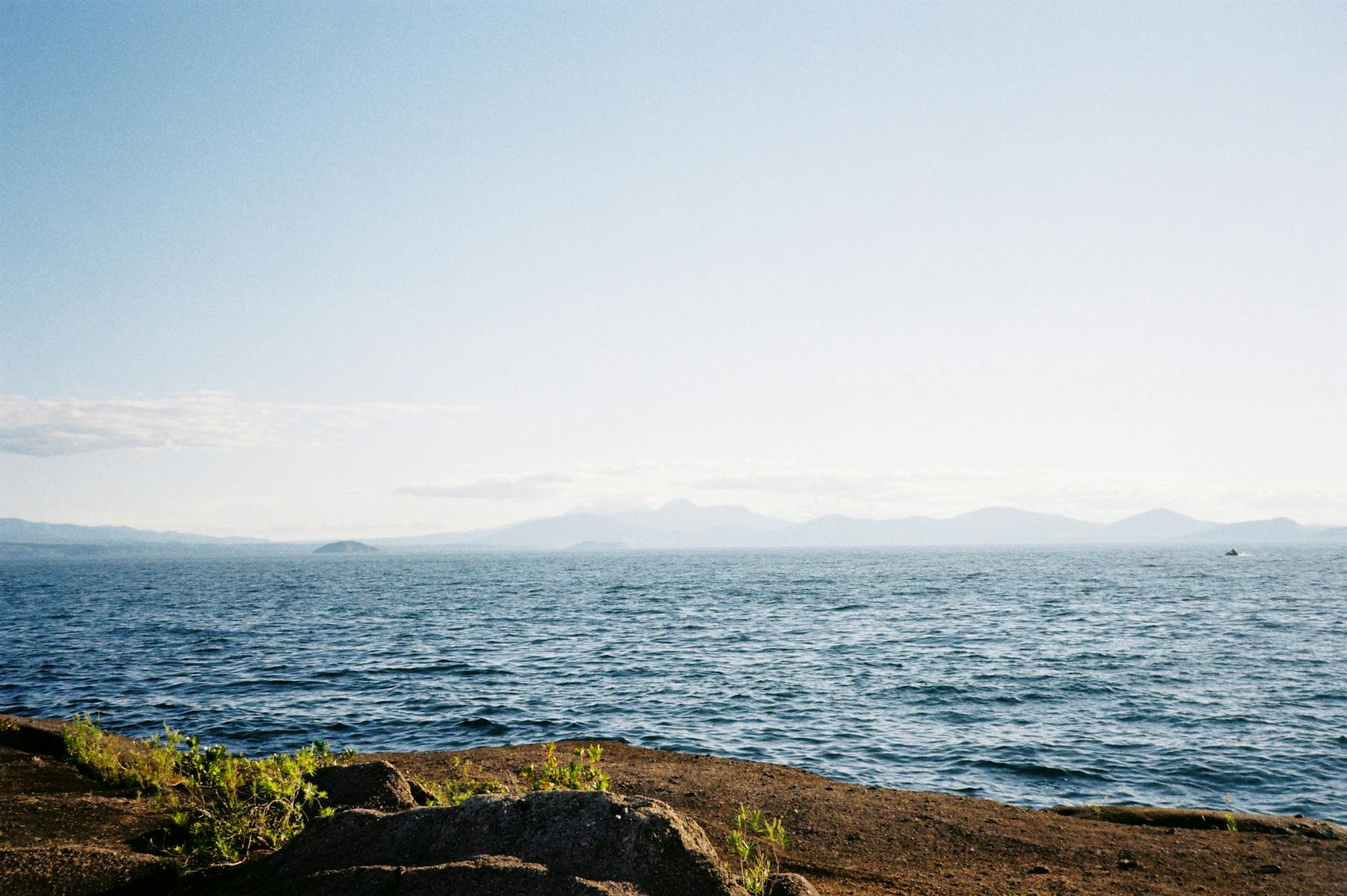
Summer is the busiest time to visit Taupo, and it earns it. The weather’s warm, the days are long, and the lake is at its most inviting. For backpackers, summer opens up the widest range of outdoor activities and the most comfortable camping of the year.
December Weather
December kicks off summer, with Taupo shaking off spring’s moodiness and settling into warmer, steadier conditions. Highs average around 20°C (69°F), with overnight lows near 10°C (51°F). Expect about 2.4 inches (61mm) of rain across roughly 9 days — showers happen, but there are plenty of dry, sunny days too. Daylight stretches to nearly 15 hours, giving you loads of time to hike and get on the water. Crowds build from mid-December as Kiwi families start their summer holidays.
January Weather
January is usually Taupo’s warmest month and the peak of the tourist season. Highs average 23°C (73°F) and can push past 28°C on the hottest days, with overnight lows around 12°C (54°F) — comfortable for camping. Rain averages 2.3 inches (58mm) over about 8 wet days, making it the second-driest month. With roughly 14.5 hours of daylight and around 58% clear or partly cloudy skies, January gives you the best odds of consistently good weather. Lake temperatures peak at 20–21°C, ideal for swimming and paddling. Book beds well ahead — hostels and campgrounds fill fast now.
February Weather
February rivals January for best-weather month. Highs sit at 23°C (74°F), and it’s the driest month on average with just 2.2 inches (56mm) of rain across about 6 rain days. Cloud cover is at its lowest — 61% of days are clear or partly cloudy. The lake stays warm, and while days are a shade shorter than January at 13.5 hours, they’re still generous. By late February the crowds start thinning, which makes it a favourite for backpackers who want warm weather with less competition for beds.
What to Do in Summer
Summer is prime time on the water. Swimming off the lakefront beaches, kayaking to the Maori rock carvings, stand-up paddleboarding, jet boating, and sailing are all at their best. The Tongariro Alpine Crossing — often called New Zealand’s best day walk — is most accessible now that snow has cleared the track, though conditions on the volcanic plateau can turn at any time of year. Lakeside barbecues, trout fishing in the rivers and streams, and the town’s cafe scene round out a summer stay. For the full activity list, see our guide to the best things to do in Lake Taupo.
What to Pack for Summer
Even in summer, smart packing matters. Bring lightweight, breathable clothing — shorts, t-shirts, and a sun hat are daily staples. But always pack a light fleece or merino layer for cool evenings and a waterproof jacket for surprise showers. Sunscreen (SPF 50+ — New Zealand’s UV is intense), quality sunglasses, and a reusable water bottle are non-negotiable. Planning lake activities? Add quick-dry clothing and water shoes. For camping, a 2–3 season sleeping bag rated to around 5°C keeps you comfortable on cooler nights. Our full backpacker packing list for Lake Taupo goes deeper.
Autumn Weather in Taupo (March, April, May)
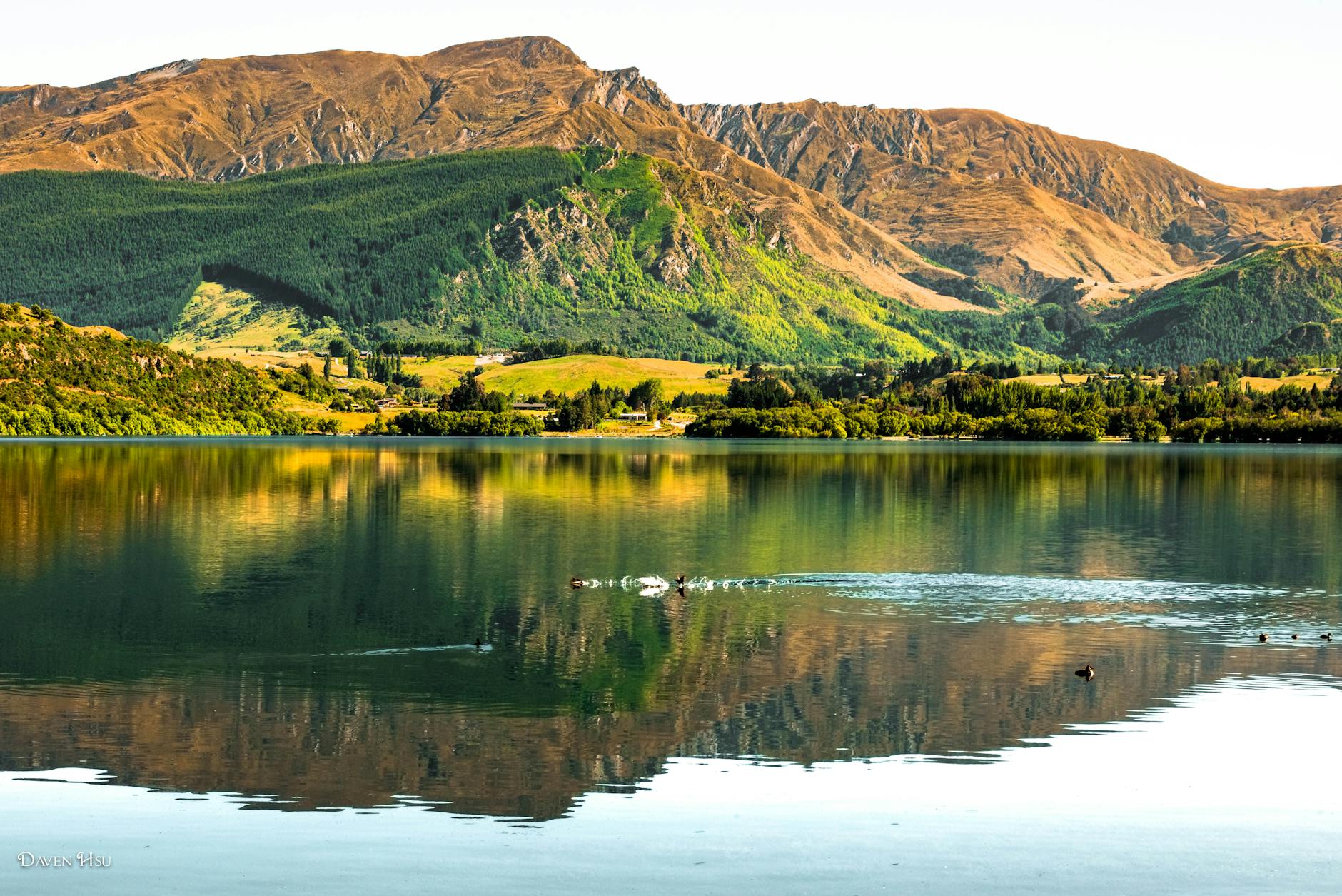
Autumn is one of the most underrated times to visit Taupo. As the summer crowds clear out, the landscape shifts to gold, orange, and crimson. It’s cooler, but you often get calm, clear days that are perfect for hiking and photography — and for budget backpackers, prices drop and beds open up.
March Weather
March is a transitional month that often delivers some of Taupo’s most pleasant weather. Highs stay comfortable at 21°C (69°F), dropping to 10°C (50°F) at night. Rainfall is roughly the same as January — about 2.3 inches (58mm) over 7 days — and cloud cover stays low at 61% clear or partly cloudy. The lake’s still swimmable at around 19–20°C, and daylight, though shortening to about 12.3 hours, is still generous. March is excellent value: near-summer weather, far fewer tourists.
April Weather
April brings a noticeable shift as autumn takes hold. Highs drop to 17°C (63°F), with overnight lows around 7°C (45°F). Rain edges up to 2.6 inches (66mm) over about 8 rain days. Daylight shortens to 11 hours, and you’ll feel the evenings drawing in. The autumn colour peaks in April, with deciduous trees around the lake and in town parks putting on a real show. The lake gets too cool for casual swimming for most, but it’s a lovely time for lakeside walks and cafe-hopping.
May Weather
May marks the slide into winter, cooler and wetter. Highs sit at 13°C (56°F), lows around 6°C (42°F). Rain picks up to 2.7 inches (69mm) over nearly 10 wet days, and only about 43% of days are clear or partly cloudy. Daylight shrinks to about 10 hours. Even so, May can hand you crisp, clear days that are perfect for hiking, and the first snow dustings on Tongariro and Ruapehu make dramatic backdrops. It’s a quiet month — ideal if you value solitude and don’t mind the chill.
What to Do in Autumn
Autumn is superb for walking. Cooler temperatures make the strenuous tracks more comfortable, and the colour adds real magic to forest walks. The Tongariro Alpine Crossing is still doable in March and early April (check conditions — snow can arrive early some years). Mountain biking the Great Lake Trails, visiting Huka Falls, and exploring Craters of the Moon and Orakei Korako are all excellent. And the hot pools come into their own — there’s nothing like sinking into naturally heated water on a cool autumn evening. Our Lake Taupo hiking guide maps the best tracks by difficulty.
What to Pack for Autumn
Layering becomes crucial. Pack a base layer of merino or synthetic thermals, a mid-layer fleece, and a waterproof outer shell. Bring both shorts and long trousers — early autumn can still be shorts weather, but you’ll want long pants by May. A warm beanie and light gloves are worth packing from April on. Sturdy hiking boots are essential as tracks get muddier after rain, and a headlamp matters more as daylight shrinks.
Winter Weather in Taupo (June, July, August)
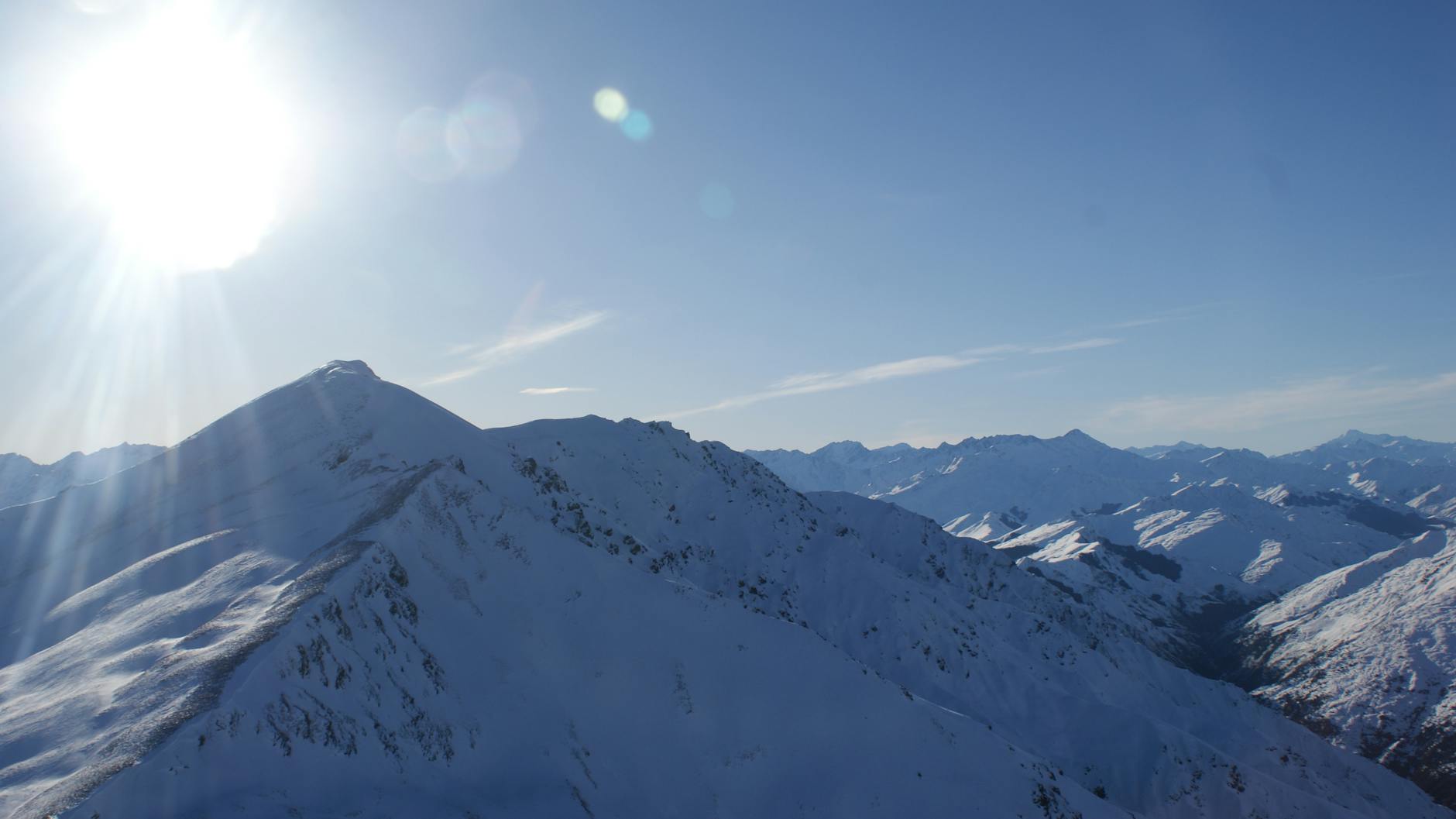
Winter in Taupo is cold but rarely harsh, and the region takes on a quiet beauty that rewards backpackers willing to brave the chill. Plenty of travellers skip it, and the ones who don’t get empty trails, steaming geothermal landscapes against frosty backdrops, and some of the cheapest beds of the year.
June Weather
June ushers in winter proper. Highs fall to just 11°C (51°F), with overnight lows dipping to 3°C (38°F). Frost is common on clear mornings. Rain averages 3.0 inches (76mm) over about 10–11 wet days, and only 37% of days manage clear or partly cloudy skies. Daylight bottoms out near 9.5 hours. The ski fields at Whakapapa and Turoa on Mt Ruapehu typically open in late June, turning Taupo into a base camp for the snow. Snow rarely falls in town itself, but the surrounding mountains get dramatically capped in white.
July Weather
July is Taupo’s coldest month. Highs barely reach 10°C (50°F), overnight lows drop to around 3°C (37°F), and frost forms on most clear nights. It’s also the wettest month, with 3.1 inches (79mm) of rain over nearly 11 wet days, and cloud cover peaks — only about 36% of days are clear or partly cloudy. Despite the cold, July has real charm: the geothermal areas are at their most dramatic with steam rising thickly into cold air, and the hot springs feel heavenly. The ski season is in full swing, and mid-winter school holidays bring families up for snow sports.
August Weather
August shows the first tentative signs of spring, though it’s still firmly winter. Highs climb slightly to 11°C (52°F), with lows around 3°C (38°F). Rain eases to 2.6 inches (66mm) over about 10 wet days, and daylight lengthens noticeably to around 10.7 hours. The ski season continues, and this can be one of the best months for snow. Clear August days can be stunning, with sharp, crisp light that makes the snowy peaks of the Central Plateau look almost unreal against deep blue skies.
What to Do in Winter
Skiing and snowboarding at Whakapapa and Turoa on Mt Ruapehu are the headline acts, with Taupo a comfortable base just 100km away. Hot springs take on special significance now — Taupo DeBretts, the AC Baths, and the natural hot streams are blissful when the air is cold. Huka Falls is spectacular framed by frost, and Craters of the Moon is at its most photogenic with steam against the cold. On the coldest days, the Taupo Museum, the cafes, and a craft beer or two offer welcome respite. Our geothermal attractions guide is a good winter companion.
What to Pack for Winter
Serious layering is essential. Pack thermal base layers (merino is ideal and widely sold in New Zealand), a warm mid-layer like a down or synthetic puffer, and a waterproof, windproof outer shell. Add warm trousers or trekking pants, a good beanie, insulated gloves, and a scarf or neck gaiter. Waterproof boots are a must — trails will be muddy and potentially icy. Skiing? Gear rents at the fields, so you don’t need to carry it. For camping, bring a bag rated to at least -5°C, though many backpackers switch to hostels in winter for the warmth and company.
Spring Weather in Taupo (September, October, November)
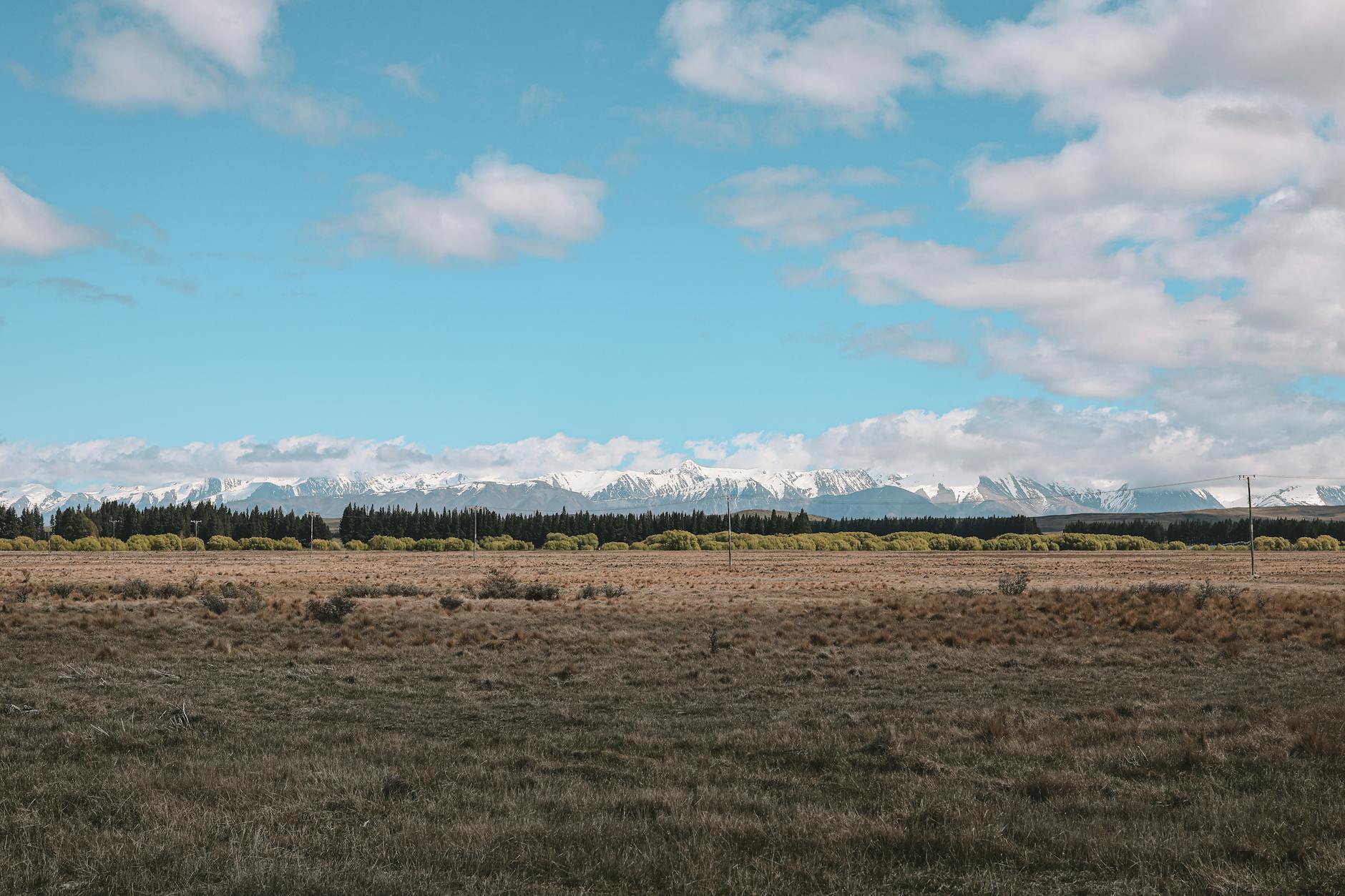
Spring is a season of renewal around Taupo. Blossoms appear, lambs dot the green hillsides, and daylight extends fast. Spring weather is famously changeable — glorious warm days can flip to cold snaps — but the overall trend is firmly upward. For backpackers, spring means shoulder-season prices with steadily improving conditions.
September Weather
September is early spring and still feels wintry, especially in the mornings. Highs reach 13°C (56°F), lows around 5°C (41°F). It’s one of the windier months, averaging 6.0 mph. Rain sits at 2.5 inches (64mm) over about 10 wet days, and only 41% of days are clear. Daylight extends to nearly 12 hours — a welcome jump from winter. The ski season often runs into September at higher elevations. The Tongariro Alpine Crossing stays off-limits to casual hikers due to snow and ice until at least mid-October most years.
October Weather
October brings a more definitive turn toward warmth. Highs reach 16°C (60°F), lows around 7°C (45°F). Rain decreases to 2.3 inches (58mm) over about 9 wet days, and clear days climb to about 45%. Daylight stretches past 13 hours, feeling far more like summer. The landscape is lush and green from winter rains, with wildflowers adding colour. It’s a good month for lower-altitude tracks, mountain biking, and trout fishing — and tourism is picking up but still well short of summer.
November Weather
November is late spring and often delivers beautiful weather, though it swings day to day. Highs reach 18°C (65°F), dropping to about 9°C (48°F) at night. Rain is at its yearly low — just 2.0 inches (51mm) over about 8 rain days — and almost half the days are clear or partly cloudy. Daylight extends past 14 hours. The Tongariro Alpine Crossing typically reopens for summer in late October or November (always check conditions). Lake temperatures start to rise, and the bravest swimmers venture in by late November. It’s an excellent month: pleasant weather, long days, moderate prices, manageable crowds.
What to Do in Spring
Spring is wonderful for nature walks and birdwatching as the bush comes alive. The Huka Falls track, Craters of the Moon, and lakeside walks are all lovely. Mountain biking is excellent on the Great Lake Trails as they dry out. Trout fishing picks up as rivers warm and insect hatches begin — our complete trout fishing guide covers the seasons and rules. By late spring, kayaking and paddleboarding are viable again, and the hot pools stay appealing on cooler early-spring days.
What to Pack for Spring
Spring demands the most versatility. You’ll need layers that handle near-freezing mornings (especially September) and warm afternoons (especially November). Pack thermal base layers, a light fleece, and a waterproof jacket. Bring both shorts and long trousers — you may wear both in the same week. A sun hat and sunscreen matter again as UV climbs. Waterproof boots stay essential for muddy tracks, and a packable rain cover for your pack protects your gear in sudden showers.
Month-by-Month Quick Reference Table
For fast planning, here’s a summary of Taupo’s key weather stats month by month. All figures are averages, and actual conditions vary year to year.
| Month | High / Low | Rainfall (wet days) | Daylight | Clear days |
|---|---|---|---|---|
| January | 23°C / 12°C | 58mm (8) | 14.5 hrs | 58% |
| February | 23°C / 12°C | 56mm (6) | 13.5 hrs | 61% |
| March | 21°C / 10°C | 58mm (7) | 12.3 hrs | 61% |
| April | 17°C / 7°C | 66mm (8) | 11.0 hrs | 52% |
| May | 13°C / 6°C | 69mm (10) | 10.0 hrs | 43% |
| June | 11°C / 3°C | 76mm (11) | 9.5 hrs | 37% |
| July | 10°C / 3°C | 79mm (11) | 9.8 hrs | 36% |
| August | 11°C / 3°C | 66mm (10) | 10.7 hrs | 41% |
| September | 13°C / 5°C | 64mm (10) | 11.9 hrs | 41% |
| October | 16°C / 7°C | 58mm (9) | 13.1 hrs | 45% |
| November | 18°C / 9°C | 51mm (8) | 14.2 hrs | 49% |
| December | 20°C / 10°C | 61mm (9) | 14.8 hrs | 51% |
What to Wear and Pack: A Season-by-Season Guide
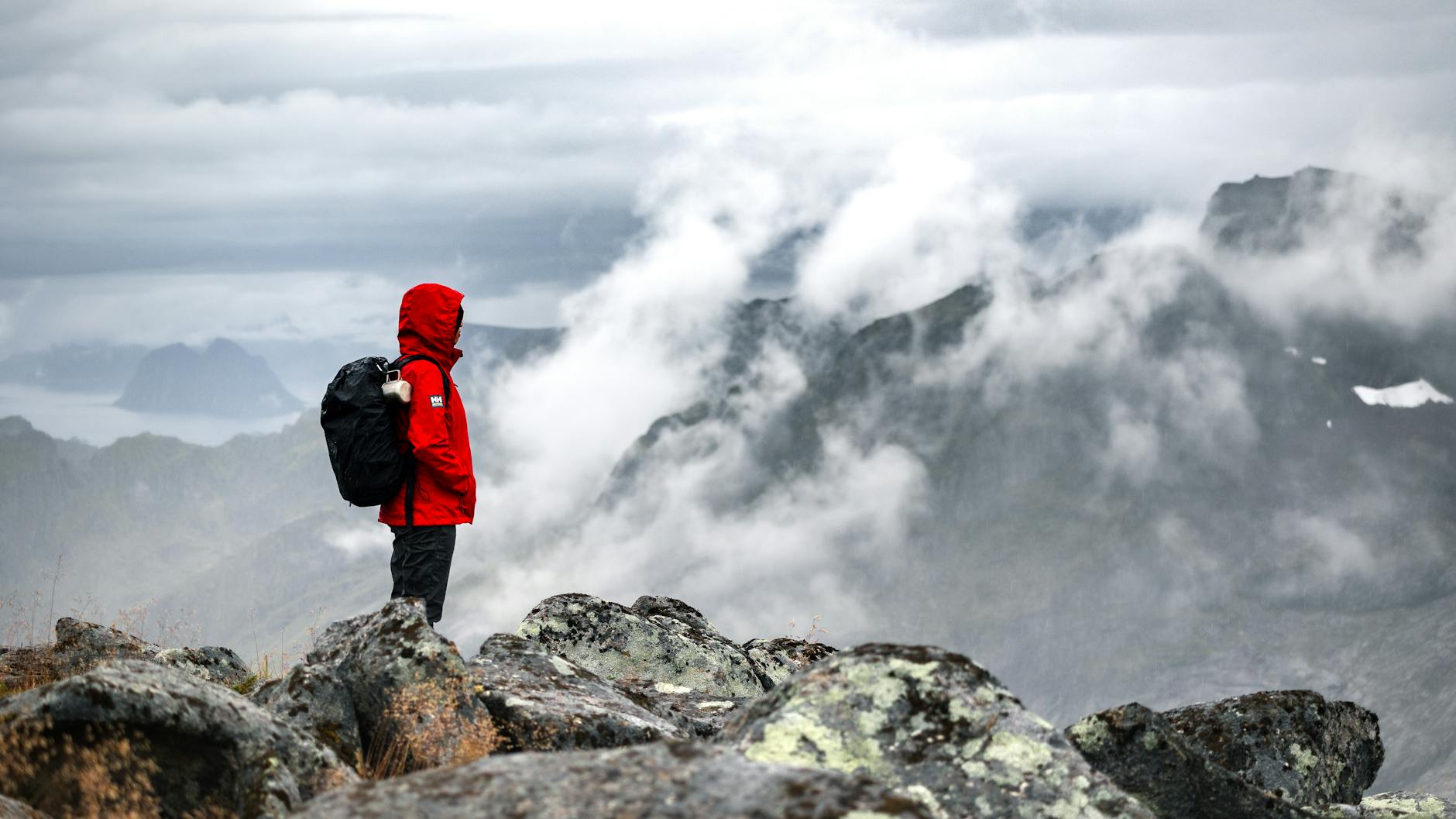
Whenever you visit, layering is your best friend — Taupo’s weather can shift dramatically within hours. Here’s a consolidated guide to the essentials for each season, plus the year-round items every backpacker should carry.
Year-Round Essentials
Some items belong in your pack no matter when you come. A good waterproof rain jacket tops the list — pick one that’s breathable and packable, because you’ll carry it even on sunny days. Sturdy, waterproof hiking boots with decent ankle support handle the volcanic terrain. Merino wool base layers are a New Zealand speciality and arguably the best investment for any Taupo trip: they regulate temperature hot or cold, resist odour (crucial when backpacking), and dry quickly. Round it out with a reusable water bottle, a headlamp with spare batteries, and a compact first-aid kit.
Choosing the Right Fabrics
Fabric choice matters more than people think. Avoid cotton as a base layer or for hiking — when it gets wet from rain or sweat, it loses its insulating power and pulls heat from your body, a real hypothermia risk in cooler conditions. Go with merino, which stays warm when wet and self-regulates, or synthetics like polyester and nylon for their quick-drying properties. For your shell, look for a Gore-Tex or equivalent membrane that’s both waterproof and breathable. Down insulation is wonderfully warm and light but useless when wet, so synthetic insulation is often the smarter call for Taupo’s occasionally damp conditions.
UV and Sun Safety in Taupo
The weather factor that catches most international backpackers off guard is New Zealand’s extreme UV. A thinner ozone layer over the Southern Hemisphere and the country’s proximity to the ozone hole mean UV runs significantly higher than at equivalent Northern Hemisphere latitudes. In summer, the UV index in Taupo regularly hits 11–13 (“extreme”), and you can sunburn in as little as 10–15 minutes of direct exposure.
To protect yourself, apply SPF 50+ broad-spectrum sunscreen every two hours (and after swimming), wear a wide-brimmed hat, use quality UV sunglasses, and consider UPF-rated clothing for long days outside. Peak UV runs between 10am and 4pm in summer, so schedule your most exposed activities for early morning or late afternoon where you can. Even on cloudy days, up to 80% of UV penetrates the cloud — don’t be fooled by grey skies. You can check the daily UV forecast on NIWA’s UV index page.
For anyone attempting the Tongariro Alpine Crossing or other high-altitude walks, UV is even fiercer thanks to altitude and reflection off volcanic terrain and snow. Lip balm with SPF is easy to forget but important — sunburnt lips are painful and common among hikers.
How Lake Taupo Shapes Local Weather
Lake Taupo isn’t just scenery — it’s a weather-maker. As New Zealand’s largest lake (616 km² of surface area), it has a measurable effect on the local climate. That huge body of water acts as a thermal moderator, soaking up heat in summer and releasing it slowly through winter. It’s why lakeside Taupo tends to be a few degrees milder than places even a short distance inland.
The lake also drives its own convection cycles. On warm summer days, cool air over the water can create afternoon breezes that take the edge off the heat — but can also spark sudden cloud build-ups and localised showers. In winter, the relatively warm lake surface can generate early-morning mist and fog. These effects are generally local and short-lived, but they feed the area’s reputation for changeable conditions.
The practical takeaway for backpackers: always check the forecast, but never fully trust it. Carry rain gear even on clear days, and expect temperatures to feel different depending on whether you’re by the lake, in town, or up on the plateau. The mountains of Tongariro National Park, just to the south, run an entirely separate weather system, and conditions up high can be dramatically different from town. If you’re planning the crossing, check the specific mountain forecast, not just the Taupo one.
Best Time to Visit Lake Taupo for Backpackers
The best time depends entirely on what you want from the trip. Here’s how each season stacks up.
For warm weather and water activities: January and February are your best bets — warmest temperatures, least rain, longest days. The trade-off is higher prices and bigger crowds, especially during the New Zealand summer holidays (late December through late January).
For budget backpackers: The shoulder seasons — March to April and October to November — are the sweet spot. Lower hostel rates, fewer crowds, and weather that’s still pleasant for most activities. Late March and early April are my picks: near-summer warmth with off-peak pricing.
For hiking enthusiasts: February through April is ideal, with moderate temperatures that make strenuous hikes more comfortable than January’s heat. Tracks are drier, the autumn colour is stunning, and the Tongariro Crossing is less crowded than peak summer.
For skiing and snow sports: July and August offer the most reliable snow at Whakapapa and Turoa, with Taupo a comfortable base for restaurants, bars, and hot pools to enjoy the apres-ski.
For solitude seekers: May through August sees the fewest visitors. If you don’t mind the cold and can appreciate Taupo’s quieter winter beauty, you’ll practically have the place to yourself — and accommodation is plentiful and cheap. If you’re travelling alone, our Lake Taupo solo backpacking guide pairs well with a winter visit.
Taupo Weather Compared to Other New Zealand Destinations
Knowing how Taupo compares to other popular spots helps with planning, especially if you’re moving between destinations. Taupo sits higher than most New Zealand towns, so it runs cooler than coastal places at the same latitude. Auckland, three hours north, is typically 3–5°C warmer year-round. Rotorua, about 80km north and lower, is usually 1–2°C warmer.
Against South Island destinations, Taupo is generally warmer than Queenstown (similar inland, elevated position but further south) and much warmer than the South Island’s alpine regions. That said, Taupo tends to get more rain than Queenstown thanks to its position in the path of moisture-laden systems crossing the North Island.
Wellington, the capital, is windier than Taupo but has milder winters due to its coastal location. The Bay of Islands and Northland are notably warmer and more subtropical, while the West Coast of the South Island is far wetter. Keeping these comparisons in mind helps you plan a multi-stop itinerary that accounts for the weather swings across the country. If Taupo is a stop on a bigger loop, our transport guide covers getting in and out.
Severe Weather and Natural Hazards
While Taupo generally enjoys mild conditions, a few severe-weather events are worth knowing about. Intense rainfall can cause localised flooding, particularly in low-lying areas near rivers and streams. In winter, ice forms on roads — especially early morning — making driving hazardous on the approaches to Taupo and on the Desert Road to the south.
The volcanic setting adds another dimension. The odds of an eruption during your visit are extremely small, but Taupo does sit within a volcanic zone that extends from Mt Ruapehu in the south to Whakaari (White Island) off the Bay of Plenty coast. GeoNet monitors volcanic and seismic activity and is the place to check current alert levels.
Lightning storms, while uncommon, can occur in summer and pose a risk to hikers on exposed terrain, especially the Tongariro Crossing. If you hear thunder or see lightning building while on an exposed track, descend immediately and seek shelter. Strong winds also affect lake activities, and operators will cancel water-based trips when conditions are unsafe — heed their advice. For the full safety rundown, see our Taupo backpacker safety guide.
Essential Weather Resources for Taupo Backpackers
Staying on top of conditions is essential for safe, enjoyable backpacking. New Zealand’s national weather service, MetService, provides detailed forecasts, severe-weather warnings, and mountain forecasts specifically for the Tongariro and Ruapehu areas. The Mountain Safety Council (mountainsafety.org.nz) offers trip-planning resources and current track conditions. For real-time updates, download the MetService app for hour-by-hour forecasts and alerts.
Before any hike, particularly the Tongariro Alpine Crossing, check both the general Taupo forecast and the specific mountain forecast. Mountain conditions can differ wildly from town — it can be warm and sunny in Taupo while the crossing has zero visibility, high winds, and near-freezing temperatures. The Department of Conservation website and local i-SITE visitor centres are excellent for current track conditions and closures.
For water-based activities, wind forecasts matter most. Lake Taupo can get choppy quickly in strong winds, and conditions change fast. Check the forecast before kayaking, paddleboarding, or sailing, and always let someone know your plans before heading out on the water.
Planning Your Trip Around Taupo’s Weather
Whatever the season, the keys to backpacking Taupo well are flexibility and preparation. Build buffer days into your itinerary for weather-dependent activities like the Tongariro Crossing — having a rainy-day plan B beats watching your one shot at a bucket-list hike wash out. In summer, book accommodation and popular activities ahead, as good weather and peak demand fill options fast. In winter, enjoy the freedom of last-minute bookings and empty trails. For help structuring it all, see our guide on how to plan a backpacking trip to Lake Taupo.
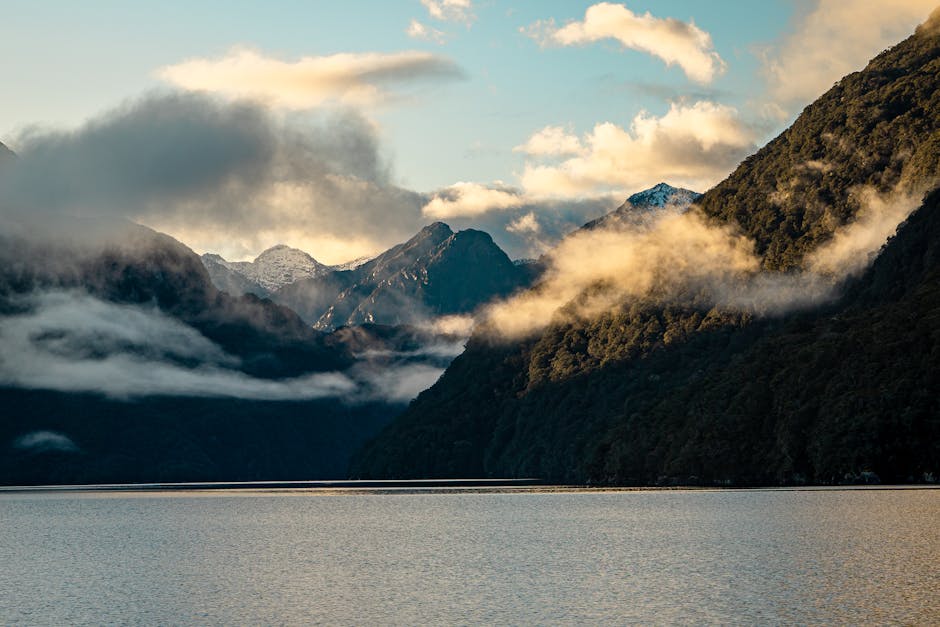
Whatever month you choose, Taupo’s weather adds character rather than taking it away. The misty mornings over the lake, the dramatic clouds rolling across the plateau, the golden light of a Taupo sunset — these are part of what makes the region special. Pack smart, check forecasts, embrace the unpredictability, and Taupo delivers in any season.
Back to the main guide: full guide to backpacking Lake Taupo.
Frequently Asked Questions
What is the best month to visit Lake Taupo?
For warm, dry weather, February is hard to beat — it’s the driest month with highs around 23°C and the crowds starting to thin. For the best value, aim for late March or early April, when you still get near-summer warmth at off-peak prices. Skiers should target July and August for the most reliable snow at nearby Whakapapa and Turoa.
Does it snow in Lake Taupo?
Snow rarely falls in Taupo town itself, even in the depths of winter. What you do get is dramatic snow on the surrounding mountains — Ruapehu, Ngauruhoe, and Tongariro — from around June through September, which powers the ski season at Whakapapa and Turoa. Frost is common in town on clear winter mornings.
How cold does Lake Taupo get in winter?
July is the coldest month, with average highs of just 10°C and overnight lows around 3°C, plus frost on most clear nights. It’s cold but rarely harsh — the lake moderates the extremes. Pack thermal base layers, a warm mid-layer, and a waterproof, windproof shell, and you’ll be comfortable.
Why is New Zealand’s UV so intense in Taupo?
A thinner ozone layer over the Southern Hemisphere, plus New Zealand’s proximity to the ozone hole and clean air, means UV levels run well above equivalent Northern Hemisphere latitudes. In a Taupo summer the UV index regularly hits 11–13, and you can burn in 10–15 minutes. Wear SPF 50+, a hat, and sunglasses, and reapply sunscreen every two hours.
Can you do the Tongariro Alpine Crossing year-round?
Not safely without alpine skills. In summer (roughly November to April) it’s accessible to fit day-walkers once snow has cleared. In winter and early spring it becomes an alpine mountaineering route requiring ice axe, crampons, and experience or a guide. Always check the MetService mountain forecast on the day, whatever the season, as conditions can turn dangerous within minutes.
2 comments