Fishing Lake Taupo is about as accessible as world-class trout fishing gets. You can grab a 24-hour licence for NZD $12, walk to a river mouth, and cast for rainbow and brown trout that regularly top 3kg, all without a boat or a guide. The lake sprawls across 616 square kilometres of clear volcanic water, and the shore fishing alone is good enough that plenty of backpackers never bother hiring a charter.
I’ve fished here in three different seasons, and the thing that keeps me coming back isn’t just the size of the fish, it’s how cheap a good day can be. Licence, a borrowed rod, a spot at the Tongariro mouth at dawn, and you’re in business for under NZD $40. This guide runs through licences, regulations, the best spots, techniques and how to keep the whole thing on a backpacker budget. It’s part of our wider Lake Taupo backpacking guide, so if you’re planning the full trip, start there.
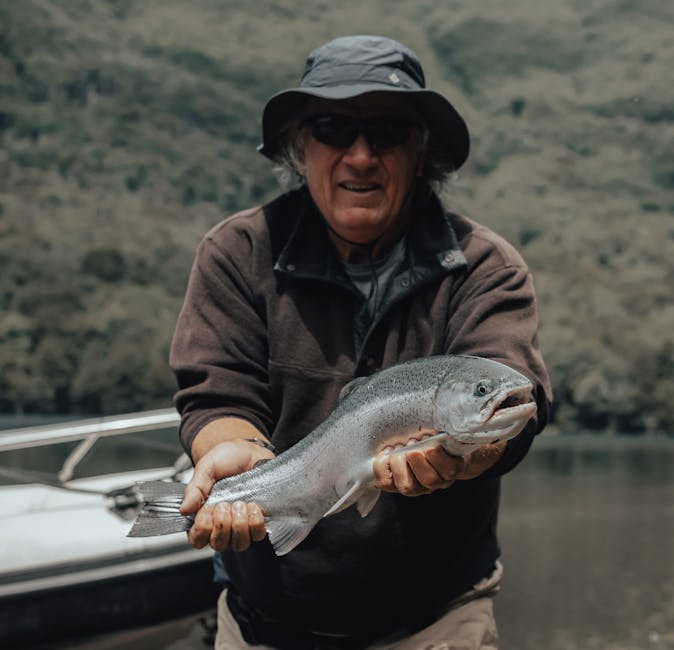
Table of Contents
- Why Lake Taupo Is a World-Class Fishery
- Taupo Fishing Licence: Costs & How to Get One
- Fishing Regulations & Rules
- Best Fishing Spots on Lake Taupo
- Fly Fishing the Tongariro River
- Best Time to Fish Lake Taupo (Seasonal Guide)
- Trout Fishing Techniques
- Fishing Charters & Guides
- Shore Fishing vs Boat Fishing
- River Fishing: Waitahanui, Hinemaiaia & More
- Rainbow Trout vs Brown Trout
- Budget Fishing Tips for Backpackers
- Frequently Asked Questions
Why Lake Taupo Is a World-Class Fishery
Lake Taupo has a reputation as one of the Southern Hemisphere’s most productive trout fisheries, and it’s earned. The lake covers 616 square kilometres of volcanic water that stays in good nick for trout year-round. What sets it apart isn’t just the scale or the number of fish, it’s the quality of the whole thing. A rich ecosystem fed by dozens of rivers and streams supports healthy stocks of both rainbow and brown trout, and plenty grow to a serious size.
Careful management is what keeps it that way. The whole system runs on strict regulations that hold the fishing sustainable, and anglers still land trophy trout here regularly, with a lot of fish going past 3 kilograms. It works for everyone too, from families after a first catch to competitive anglers. For backpackers, the pairing of top-tier fishing and cheap access is hard to beat, and it slots neatly alongside the other things to do around the lake.
Taupo Fishing Licence: Costs & How to Get One
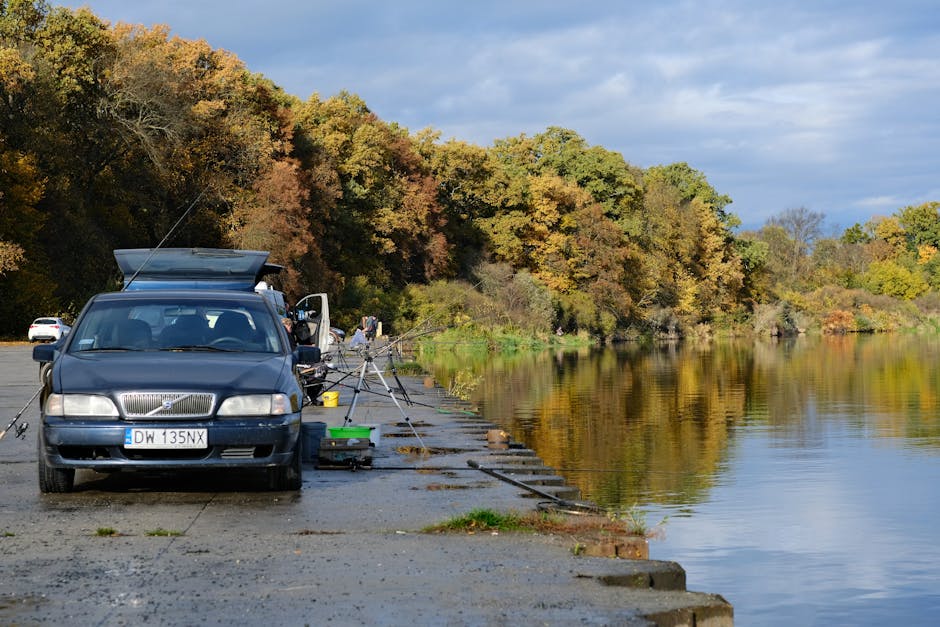
Before you cast a line, you need a valid licence. New Zealand requires one for all anglers, and Taupo is no different. The good news is they’re cheap and flexible. Worth knowing: the Taupo fishery is its own thing, managed by the Department of Conservation rather than Fish & Game, so you buy a Taupo-specific licence, not a national one.
Licence types and prices
- Adult season licence: NZD $52 (valid 12 months)
- 24-hour licence: NZD $12 (ideal for backpackers)
- 7-day licence: NZD $25 (good value if you’re around a week)
- Child season licence: NZD $10 (ages 12-17)
- Family season licence: NZD $95 (two adults and up to four children)
For most backpackers watching the budget, the 24-hour licence at NZD $12 is the obvious pick. Buy it and you’re fishing the same day. Our dedicated Taupo fishing licence guide breaks down which option suits which trip.
Where to buy it
- DOC website: doc.govt.nz for an instant digital licence
- Local retailers: tackle shops, visitor centres and outdoor stores around Taupo
- Taupo i-SITE: the visitor centre sells licences in person
- Charter operators: many can sort a licence as part of your booking
Buy online through DOC and you get an instant digital licence by email, valid immediately. Print it or show it on your phone, both are fine. It’s the fastest route if you’re rolling into town and want to fish straight away. You can buy directly on the official DOC Taupo fishing page, which also carries the current regulations.
Fishing Regulations & Rules
Lake Taupo has well-established regulations built to protect the trout population and keep the fishing good for everyone. Knowing them isn’t just about staying legal, it’s part of being a responsible angler.
Daily catch limits
- Daily limit: 6 trout per person, per day
- Minimum size: 35 centimetres (13.8 inches)
- Possession limit: no more than 12 trout at any one time
These apply whether you’re fishing from shore or boat. Land a trout under 35cm and you release it straight away. The rules also set separate terms for different river systems, so if you’re heading to the Tongariro or another tributary, check the specific river regulations first.
Permitted methods
- Fly fishing: the most popular, allowed everywhere
- Harling: trolling a fly behind a boat, in designated zones
- Spinning: artificial lures and spinners
- Jigging: soft baits or artificial jigs
- Nymphing: subsurface fly fishing, very effective
Important: live bait is not permitted. All baits must be dead or artificial. This protects native fish species and keeps the lake’s ecological balance intact.
Seasonal restrictions
The main lake is open year-round, but tributary rivers have set opening and closing dates. The Tongariro, for example, opens in October and has restrictions through the spawning season (May-June). Always check the current rules with DOC before fishing rivers, because they shift seasonally to protect spawning fish. Our full Taupo trout fishing regulations guide goes through every rule in detail.
Best Fishing Spots on Lake Taupo
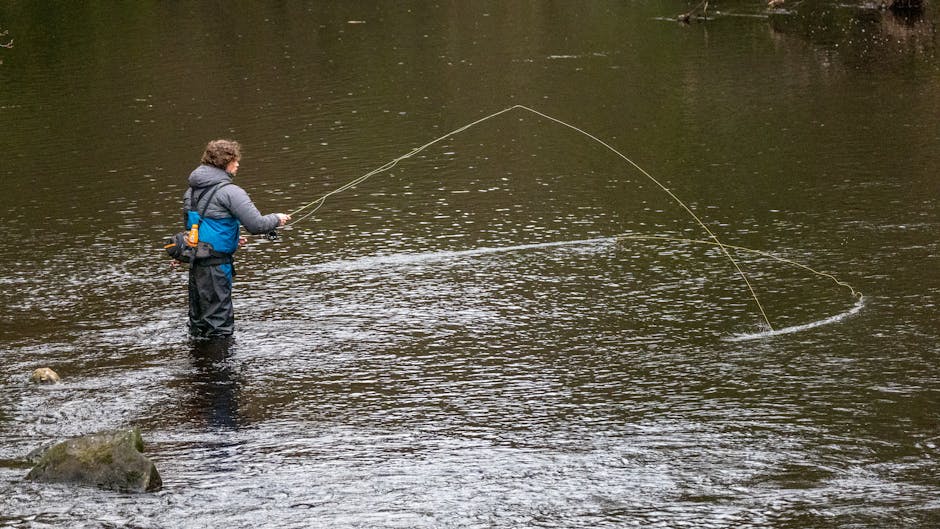
Lake Taupo has no shortage of proven spots, each with its own character and best season. Shore or boat, these are the ones that consistently produce, and our best fishing spots guide maps them out with access notes.
Tongariro River mouth
The Tongariro River mouth is arguably New Zealand’s most famous trout spot. Fed by snowmelt off the volcanic mountains, it pulls in trophy fish year-round. The mouth is great for shallow-water fly fishing, and the river itself is world-renowned for its spawning runs. This is a must for any serious trout angler, and it’s just 20 minutes from town. Our complete guide to fly fishing the Tongariro covers it fully.
Waitahanui River
The Waitahanui flows into the lake from the eastern side and is another cracker. The mouth and lower reaches produce year-round, with strong brown trout numbers in particular. It’s a bit quieter than the Tongariro, so it’s a good shout if you’d rather fish without a crowd. About 30 minutes from central Taupo.
Hinemaiaia River
Over on the western shore, the Hinemaiaia is a scenic river known for crystal-clear water and healthy trout. It’s excellent fly water, especially in the lower reaches near the mouth. Access is easy and the surroundings make for a memorable day out.
Tauranga-Taupo (Bay)
This large, shallow bay on the eastern side is known for productive shallow-water fly fishing. Harling works especially well here in the right season. You can also reach it from shore in several spots, which makes it a good option for budget anglers without a boat.
Kinloch Bay
At the northern end of the lake, Kinloch Bay fishes well year-round and offers good deep-water nymphing. It’s best from a boat, but charters running out of Kinloch make it reachable. The depth and structure make it a prime spot for bigger brown trout.
Fly Fishing the Tongariro River
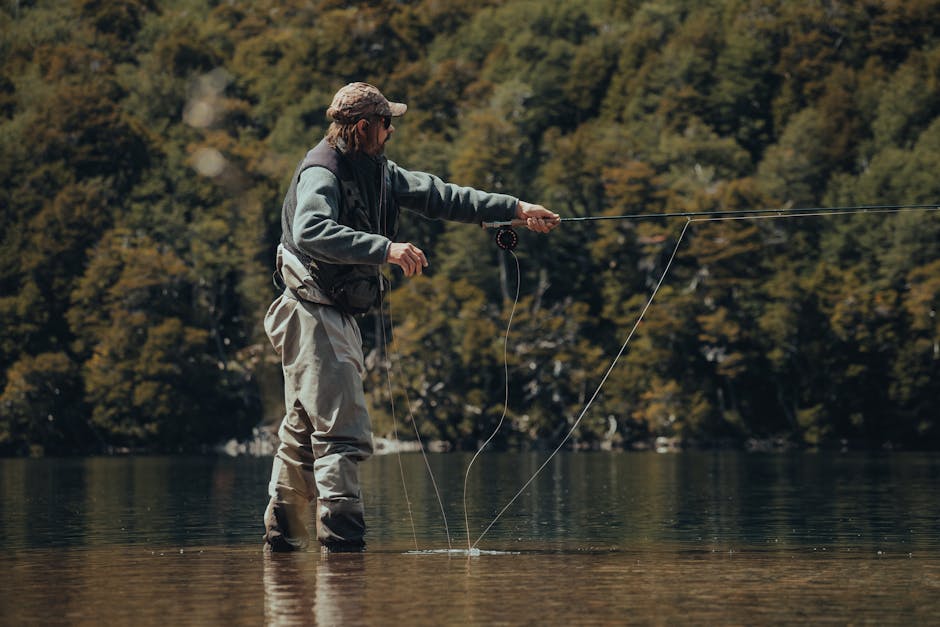
The Tongariro is New Zealand’s most celebrated trout river and, for many anglers, one of the best fly-fishing rivers anywhere. Flowing off the volcanic slopes of Mount Tongariro, it’s become shorthand for great dry-fly fishing and productive nymph work.
Why it’s special
A few things stack up in the Tongariro’s favour. Snowmelt keeps water temperatures right for trout. The mix of riffles, pools and runs creates varied habitat that holds a lot of healthy fish. The lower section, closer to the lake mouth, sees spawning migrations that bunch fish up predictably. And the alpine backdrop turns a day’s fishing into something you remember for the scenery as much as the catch.
Getting on the river
The Tongariro is reached from multiple access points between Turangi (at the mouth) and Lake Taupo. Most anglers fish the lower 2-3 kilometres, which you can get to from several public car parks. The mouth itself gives up excellent dry-fly fishing in shallow water. Head further upstream and the pocket water and deeper pools ask for wading skills and more advanced technique.
Several guiding services work the Tongariro and can set up a guided trip from around NZD $190 an hour. For a solo backpacker that’s an investment, but the local knowledge and access often mean more fish landed, which can offset the cost over a more productive day. The charters and guides guide has operator options.
Best techniques for the Tongariro
- Dry fly: Adams, Stimulator and Elk Hair Caddis patterns work year-round
- Nymphing: Hare & Copper, Pheasant Tail and Caddis Pupae are essentials
- Sight fishing: in shallow water near the mouth you can spot and cast to individual trout
- Spinning: if you don’t carry fly gear, small spinners still do the job
There’s more in our dedicated Tongariro River guide.
Best Time to Fish Lake Taupo (Seasonal Guide)
Lake Taupo fishes year-round, but each season brings its own opportunities and headaches. Get a feel for the patterns and you can time your trip well. The best time of year to fish guide goes month by month, and it’s worth cross-checking against the Taupo weather guide before you commit to dates.
Spring (September-November)
Conditions: water warming, days lengthening, spring wind can be strong.
Best fishing: October on is excellent as spawning kicks off. The Tongariro opens October 1st and sees rising fish numbers. Shore fishing picks up, and nymphing is especially good.
Best months: late October through November (6 out of 10)
Summer (December-February)
Conditions: warmest water, longest days, calm mornings with afternoon wind.
Best fishing: December and early January are excellent, though mid-January into February can slow as water temperatures peak. Early mornings and late evenings are most productive. Trolling from a boat comes into its own, and evening dry-fly sessions can be spectacular.
Best months: December and early January (8 out of 10), February-March (5 out of 10)
Autumn (March-May)
Conditions: water cooling, days shortening, often calmer than spring.
Best fishing: March and April are reliable, with good water temperatures and steady fishing. May brings the approach of brown trout spawning; some rivers close to protect spawners. Shore fishing stays productive.
Best months: March-April (8 out of 10), May (5-6 out of 10 due to river restrictions)
Winter (June-August)
Conditions: cold water, short days, many rivers closed to protect spawning fish.
Best fishing: most tributaries close through their spawning season (May-June into winter), but the main lake stays open. Winter nymphing on the lake rewards patience and skill, and fewer anglers means less competition. This is prime brown trout season if you’ll brave the cold.
Best months: June-August (6-7 out of 10 for lake fishing, river closures limit options)
The short version for backpackers: November to early January gives the best mix of good fishing, decent weather and open rivers. December is arguably the single best month.
Trout Fishing Techniques
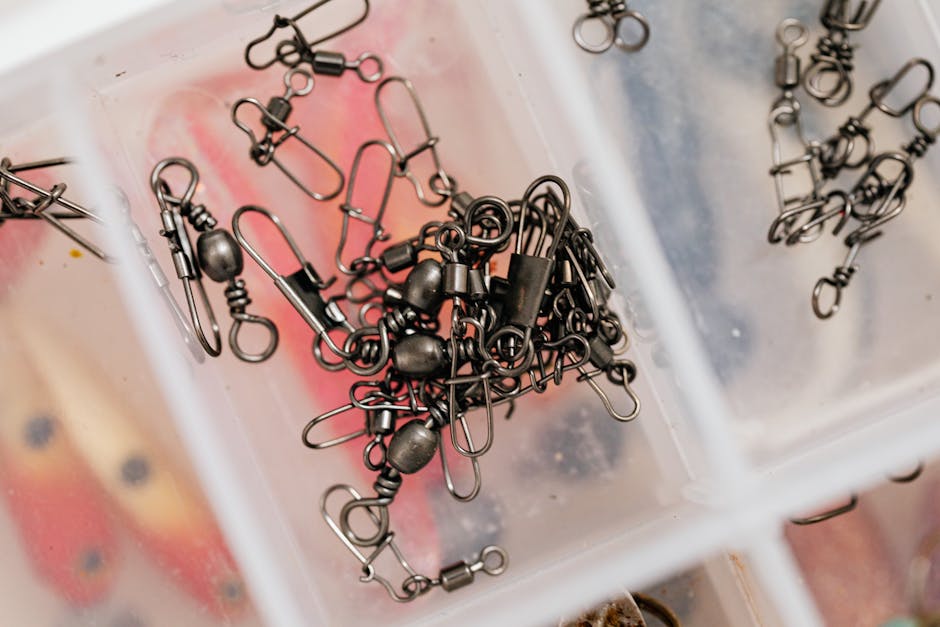
Lake Taupo’s varied water suits a range of techniques. Here’s a rundown of the main ones and when to reach for each. Our trout fishing techniques guide goes deeper on the how-to.
Fly fishing
Fly fishing rules on Taupo’s rivers and shallow bays. It takes some practice but gives the most engaging experience going. Dry-fly fishing, casting surface flies, is exciting and visual, while nymphing below the surface is usually more productive. Both work year-round, with different patterns coming into play across the seasons.
Entry cost: a decent beginner fly rod, reel and line runs NZD $150-300. Plenty of accommodation providers and tackle shops rent gear for NZD $30-50 a day.
Harling (trolling)
Harling is the local word for trolling behind a boat. You let a fly or lure out on 20-40 metres of line and trail it while the boat idles along. It covers a lot of water and works especially well over deep water and around submerged structure. Harling often connects with the bigger browns.
Best for: boat fishing, trophy hunting, deep water
Spinning
Spinning with artificial lures is simple, effective and perfect for backpackers with no fly-fishing background. Small spinners, spoons and soft plastics all work. It’s great from shore and lets you cover plenty of water by casting and retrieving.
Entry cost: a basic spin rod and reel, NZD $60-150. Lures are NZD $2-5 each.
Jigging
Jigging vertically with soft baits or jigs works well in deeper water, from a boat or a fixed position. You lift and drop the jig in a rhythm. It’s easy to learn but rewards a bit of understanding of the bottom structure.
Best for: deep-water boat fishing, winter fishing
Nymphing
Nymphing, fishing fly imitations of underwater insects just below the surface, is seriously productive and often out-fishes the dry fly by a wide margin. Euro-nymphing, or tight-line nymphing, has changed river fishing and is catching on across Taupo’s rivers.
Best for: river fishing, all seasons, trophy hunting
Fishing Charters & Guides
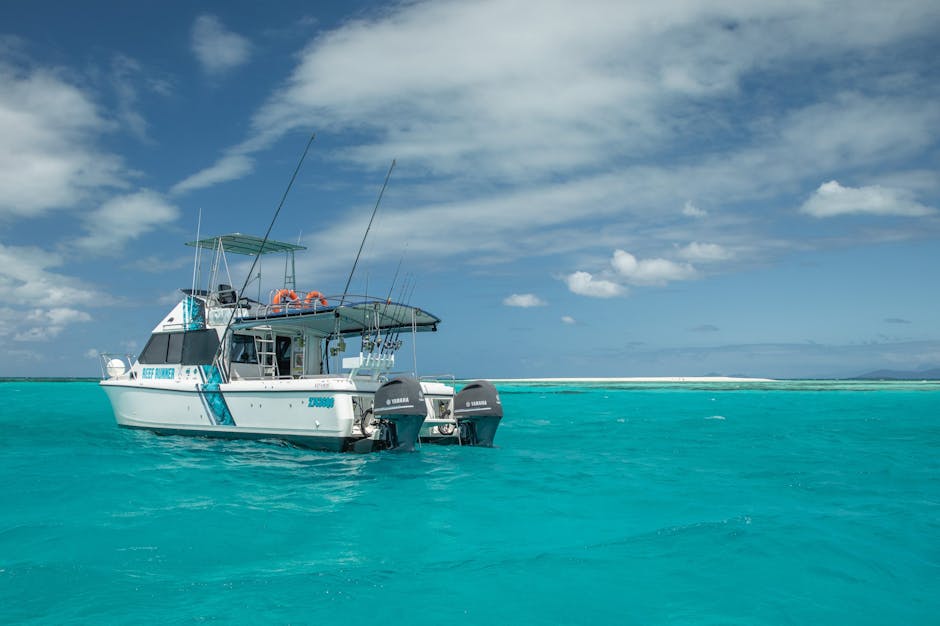
If you don’t have boat access or local knowledge, a guide or charter is a genuinely good investment. Professional guides bring expertise, access to prime water, and usually a real love of the fishery they’ll happily share. Our charters and guides guide lists the reputable operators.
Charter pricing
- Half-day charter (3 hours): NZD $400-600 for 1-2 anglers
- Full-day charter (6 hours): NZD $800-1200 for 1-2 anglers
- Hourly rate: NZD $190-250 per hour (usually a 2-hour minimum)
- Group rates: operators often price per person if you share a boat (NZD $150-200 each)
For backpackers, splitting a full-day charter with another traveller brings the individual cost down to NZD $400-600, which is doable for a memorable day on the water.
What’s included
- A skipper or guide who knows the lake and where the fish are holding
- Boat operation and fuel
- Fishing gear (rods, reels, lines, flies, often included, sometimes extra)
- Technique instruction
- Help landing and handling fish
- Often refreshments, and sometimes fish packing for travel
Recommended operators
Several solid operators work Lake Taupo. Fish Taupo, White Striker Charters and Taupo Lake Adventures are well-established names with good track records. Book through the Taupo i-SITE or directly with the operator. Most want advance booking, especially over the December-January peak.
For guided river fishing, local guides work the Tongariro and other rivers. Expect to pay NZD $400-600 for a day’s guided instruction. It’s an investment, but learning from an expert can lift your skills and success rate dramatically, and if you’re doing it on a budget the budget fishing guide has ways to share the cost.
Shore Fishing vs Boat Fishing
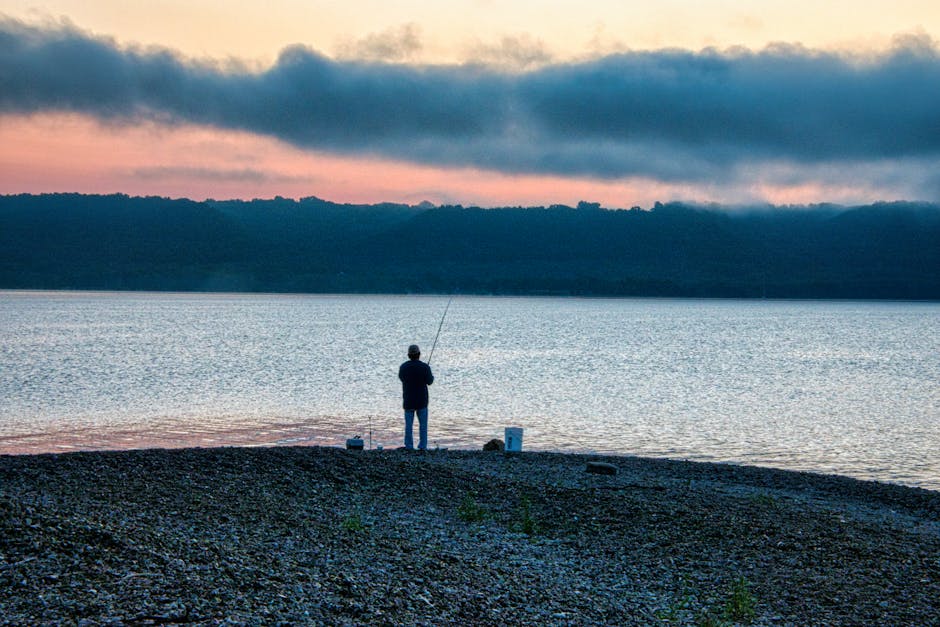
Both shore and boat fishing have their upsides. Which suits you comes down to budget, skill and what you’re after. Our shore vs boat fishing comparison weighs it all up.
Shore fishing: the pros
- Cost: free, no boat hire. Just the licence.
- Accessibility: no special skills, you can start fishing right away
- Flexibility: fish whenever you like, no booking
- Scenic: good walks to the spots
- Social: you’ll often meet other anglers and trade tips
Shore fishing: the cons
- Limited range: only shallow water and productive margins
- Fewer fish: generally lower catch rates than a boat
- Weather-dependent: wind and rough water limit access
- Location-specific: not every shoreline is accessible or productive
Boat fishing: the pros
- Productive: access to deep water and prime zones
- Flexibility: move between spots as conditions change
- Coverage: fish more water and explore
- Trophy potential: the bigger fish often sit deeper
- Local knowledge: a charter skipper is worth a lot
Boat fishing: the cons
- Expensive: charter fees add up (NZD $190-250/hour)
- Time-bound: you book ahead and work to a schedule
- Minimum time: most charters want a 2-hour minimum
- Weather: can be cancelled in poor conditions
- Learning curve: boat techniques are more specialised
Best shore fishing spots
The Tongariro River mouth, Waitahanui River mouth, Hinemaiaia River and various bays around the lake all fish well from shore. Early morning and dusk are the most productive windows. The eastern shore around Tauranga-Taupo Bay is great for shallow-water fly fishing off the bank.
River Fishing: Waitahanui, Hinemaiaia & More
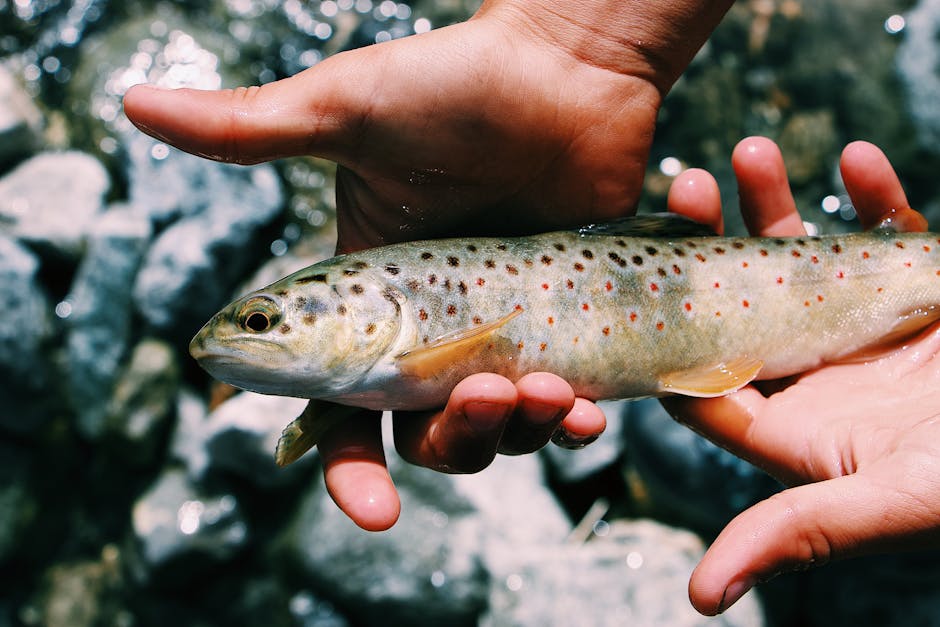
The lake itself is the headline act, but the tributary rivers that feed it are just as productive and often far quieter. Each one offers a different kind of fishing. Our river fishing guide covers these and more in detail.
Waitahanui River
The Waitahanui flows in from the eastern side and is known for big brown trout. The lower section, an easy 20-minute walk from a car park, offers excellent fly fishing. It’s more intimate than the Tongariro, with more pocket water and deeper pools. Spring (October-November) and autumn (March-April) are the most productive seasons.
Hinemaiaia River
The Hinemaiaia on the western side is scenic and productive. Clear water and visible fish make it excellent for sight-casting. The mouth is easy access for beginners, while upstream sections test more advanced anglers. Winter fishes well here when other rivers are shut for spawning protection, and the native bush and waterfall make it a particularly good-looking spot.
Otama River
A smaller river on the southern side, the Otama offers more solitude than the big names. It’s great if you want to escape the crowds and fish somewhere intimate in lovely bush. Access needs a moderate walk, which keeps the numbers down.
Waipakihi River
Another good one on the eastern side, the Waipakihi fishes consistently year-round. It’s not as famous as the Tongariro or Waitahanui, which means fewer anglers and less competition for fish.
River fishing tips
- Check seasonal closures: rivers close during spawning to protect fish. Always verify the current status before you drive out.
- Timing matters: early morning and late evening are most productive on rivers.
- Water clarity: rivers run muddy after rain and fish are harder to see and catch. Wait 1-2 days after rain for the best of it.
- Wading: rivers need wading skills and the right gear, wading boots or shoes and weather-appropriate clothing.
- Crowds: popular rivers get busy in peak season. Lesser-known rivers offer better fishing with fewer people.
Rainbow Trout vs Brown Trout
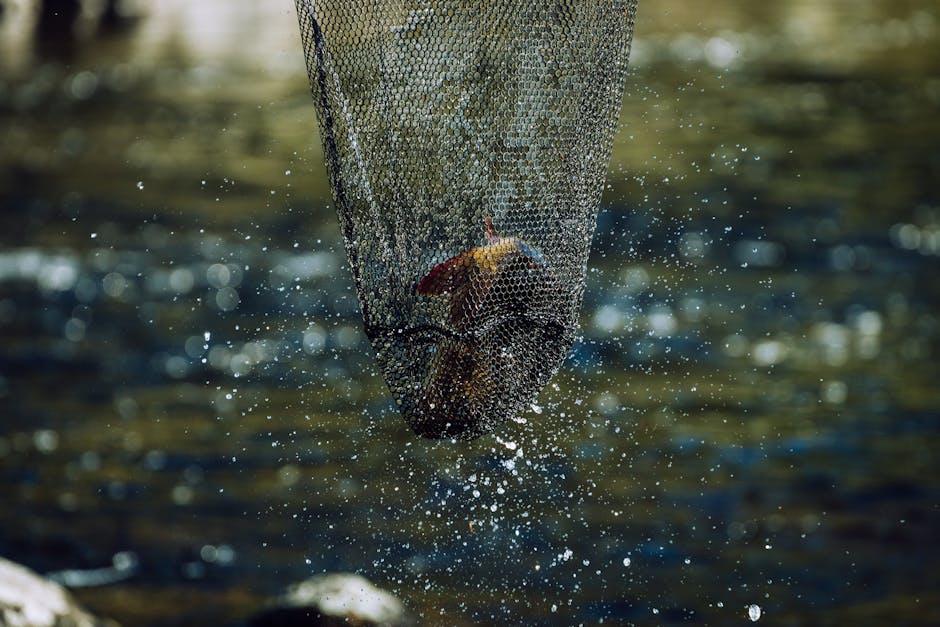
Lake Taupo holds two main trout species, each with its own look, behaviour and appeal.
Rainbow trout
Average size: 1.4-1.8 kilograms (3-4 pounds)
Look: rainbows are easy to spot by the reddish band along the side. They’re generally more aggressive and readier to take flies and lures than browns. They fight hard, which makes them fun for anglers of any level.
Behaviour: rainbows are less cautious than browns and more likely to be found in shallow water. They feed actively through the day and respond well to both dry flies and nymphs, and they’ll take a spinner too.
Best fishing: rainbows are catchable year-round, which makes them ideal for new anglers or anyone wanting reliable action.
Sporting quality: 7 out of 10 (fun fighters, accessible to all levels)
Brown trout
Average size: 3.2-3.6 kilograms (7-8 pounds)
Look: browns are identifiable by their brown colouring with spots and a golden hue. They run much larger than rainbows on average and are trophy fish for a lot of anglers. They’re more cautious and selective.
Behaviour: browns are often solitary, sitting in deep pools or under overhanging vegetation. They’re pickier about what they eat and more likely to inspect your fly before committing, and they hold in deeper water more often than rainbows.
Best fishing: browns are more productive in autumn (March-May) and winter when they’re spawning or preparing to. River fishing, especially deeper pools, produces more browns than open water.
Sporting quality: 9 out of 10 (powerful fighters, a strategic challenge, trophy size)
Which should you target?
If you’re new or you just want steady success, go for rainbows. They’re more catchable and deliver instant gratification. If you’re experienced and after a challenge and a trophy, browns are your fish. Plenty of anglers do both, enjoying rainbow fishing in the productive bays while testing themselves on browns in the rivers.
Budget Fishing Tips for Backpackers
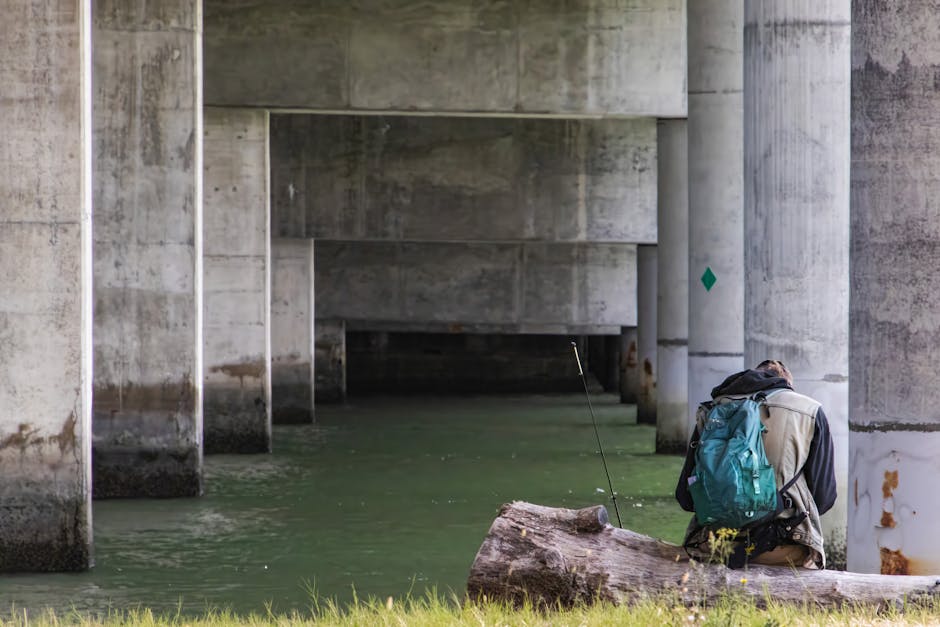
Fishing Lake Taupo doesn’t have to cost much at all. Here’s how to get world-class fishing on a backpacker budget, and the budget fishing guide has even more money-saving detail.
Licence hacks
- Grab a 24-hour licence (NZD $12): perfect for a day trip. Staying longer than two days? The 7-day licence (NZD $25) is better value.
- Timing: if you’re already in Taupo, buy online before you leave your accommodation for instant digital access.
- Plan around your days: line up your licence with the days you’ll actually fish rather than burning a 24-hour window on a travel day.
Gear options
- Borrow or rent: many hostels have gear to lend. Rental shops charge NZD $30-50 a day for rods and reels.
- Budget rods: if you’re buying, decent spin rods are NZD $60-150. Fly rods run NZD $150-300 for a quality beginner setup.
- Tackle: share flies and lures with other anglers. A small box of good flies (NZD $20-30) lasts weeks.
- DIY: the keen can learn basic fly-tying and cut fly costs right down.
Stay near the water
Base yourself near river access or good shore spots and you skip transport costs entirely. Turangi (on the Tongariro) and central Taupo both have budget beds within walking distance of fishing. Our where to stay in Taupo guide covers the cheapest options.
Shore over boat
Shore fishing is free beyond the licence, and Taupo’s shores give plenty of access. Save charters for one or two special days if the budget allows, or skip them entirely if shore fishing meets your goals.
Share a charter
If you do want a boat, find another angler at your hostel and split it. That halves the individual cost. Many charters happily take 2-4 anglers and pro-rate the price.
Free resources
- Taupo i-SITE / DOC: free fishing advice, maps and current info
- Tackle shop staff: local knowledge on conditions, fly choices and where fish are holding
- Facebook groups: Taupo fishing groups share real-time reports and advice
- Other anglers: the fishing culture here is friendly and generous with knowledge
Total budget estimate
- Budget day (shore): licence NZD $12, tackle NZD $20 (if buying flies) = NZD $32
- Mid-range day (shore + rental gear): licence NZD $12 + gear NZD $40 + tackle NZD $20 = NZD $72
- Splurge day (half-day charter, shared): licence NZD $12 + charter share NZD $250 = NZD $262
For a backpacker budgeting NZD $50-100 a day on activities, a mix of free or cheap shore days with the odd shared charter is entirely doable. It’s a similar approach to the one in our daily costs breakdown.
Frequently Asked Questions
Do I need a licence to fish Lake Taupo?
Yes, a valid licence is required for all anglers. The cheapest is a 24-hour licence for NZD $12, available online at the DOC website or from local retailers. Digital licences are instant and can be shown on your phone.
What’s the best time of year to fish?
November through January offers the best mix of good fishing and pleasant weather, and December is arguably the single best month. That said, fishing is possible year-round. Winter (June-August) is best for trophy brown trout in rivers, though many rivers close for spawning.
Can I fish without a guide?
Absolutely. Shore fishing needs no guide, just a licence and basic gear. Guides are optional and mainly valuable if you lack local knowledge or want to maximise your catch quickly. Plenty of anglers fish here independently.
What’s the catch limit?
The daily limit is 6 trout per person, the minimum size is 35 centimetres, and you can’t possess more than 12 trout at any one time.
Which trout species is easier to catch?
Rainbow trout are more aggressive and catchable, especially for beginners. Brown trout are larger but more selective feeders. For steady success, target rainbows; for a challenge, focus on browns.
Can I fish from shore or do I need a boat?
Shore fishing is entirely productive and free. Taupo’s shores give excellent access, particularly around river mouths and certain bays. Boat fishing covers more water and reaches deep-water fish, but it’s optional. Many successful anglers never leave the shore.
What’s the cheapest way to fish Taupo?
Nearly free: get a 24-hour licence (NZD $12), borrow or rent basic gear (NZD $30-50 a day), and fish from shore. It’s entirely viable and it catches fish. Add the occasional shared charter day if the budget allows.
Is fly fishing necessary?
No. Spinning, jigging and other methods all work. Fly fishing is popular and highly effective but not required. Plenty of anglers do well without ever learning to fly fish. Pick the method that appeals and matches your budget.
Guides in this series
- Best Time of Year to Fish Lake Taupo (Seasonal Guide)
- Best Fishing Spots on Lake Taupo
- Budget Fishing Tips: Trout Fishing Taupo on a Backpacker Budget
- Lake Taupo Fishing Charters & Guides
- Taupo Fishing License: How to Get One & What It Costs
- Taupo Trout Fishing Regulations: Complete Guide
- Fishing the Taupo Rivers: Waitahanui, Hinemaiaia & More
- Shore Fishing vs Boat Fishing at Lake Taupo
- Trout Fishing Techniques for Lake Taupo
- Fly Fishing the Tongariro River: Beginner Guide
Lake Taupo’s fishing is world-class and open to every budget and skill level. Whether you spend one day casting from shore or dedicate your whole visit to it, the place delivers. Start with a 24-hour licence, find a productive spot, and let the lake do the rest. Back to the main Lake Taupo backpacking guide for the rest of your trip. Tight lines.
1 comment