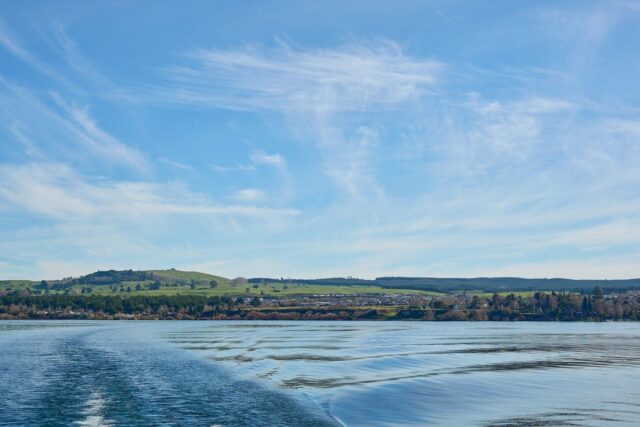
The Great Lake Trail (officially the Great Lake Trails, plural) is an 88 km network of purpose-built mountain biking and walking track strung along the north-western shore of Lake Taupo, and it is the best multi-day trail experience within easy reach of Taupo’s wider hiking and walking scene. It is one of New Zealand’s 23 official Great Rides under the Nga Haerenga cycle trail network, split into four linked sections you can ride individually as day trips or string together over two to three days, and unlike most of the region’s short walkways, getting between sections usually means a shuttle and, for one section, a boat.
This guide covers each section separately with real distances and times, what a boat transfer actually involves, where you can camp or bunk down along the way, what it costs to piece a multi-day trip together, and which parts are realistic for walkers rather than riders. If you have not settled your dates yet, slot this in against the rest of the Lake Taupo trip planning guide before you book any shuttles, since the logistics here take more lead time than most of the region’s other activities.
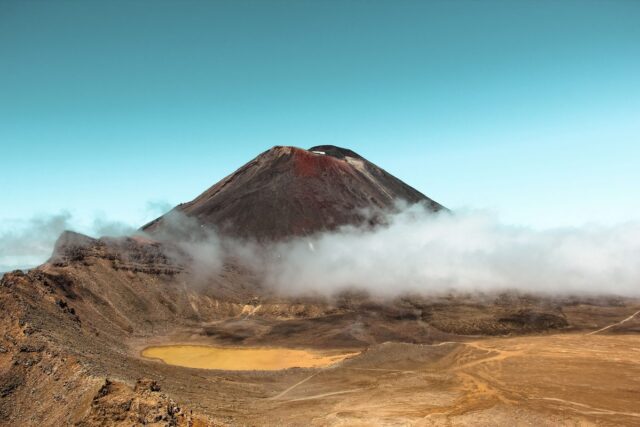
If you have already done the Tongariro Alpine Crossing and want a completely different kind of day outdoors, mostly bush and lake rather than exposed volcanic scree, this is the natural next thing to book.

What the Great Lake Trail actually is
Lead-in: the network totals 88 km across four sections, Waihaha, Kawakawa to Kinloch (K2K), Otaketake, and Whakaipo to Kinloch (W2K), rated Grade 3 (intermediate) throughout, built and maintained by the volunteer group Bike Taupo since 2006, and recognised as one of New Zealand’s official Great Rides by Nga Haerenga, the national cycle trail network.
Kinloch, a small lakeside settlement about 20 minutes’ drive from Taupo town, is the hub everything radiates from. Three of the four sections connect to Kinloch directly or via a short shuttle; only Waihaha, the westernmost and most remote section, requires a proper logistics chain of shuttle plus boat. In 2012 the trails earned Silver Level Ride Centre accreditation from the International Mountain Biking Association, one of only 11 such centres in the world at the time, which tells you roughly where this sits in the global mountain biking pecking order.
Despite the name, this is not exclusively a mountain biking trail. Sections are shared with walkers, runners and their dogs, and several stretches, particularly the Headland Loop and parts of W2K, work perfectly well as a half-day walk if you would rather not deal with bike hire and shuttle logistics at all.
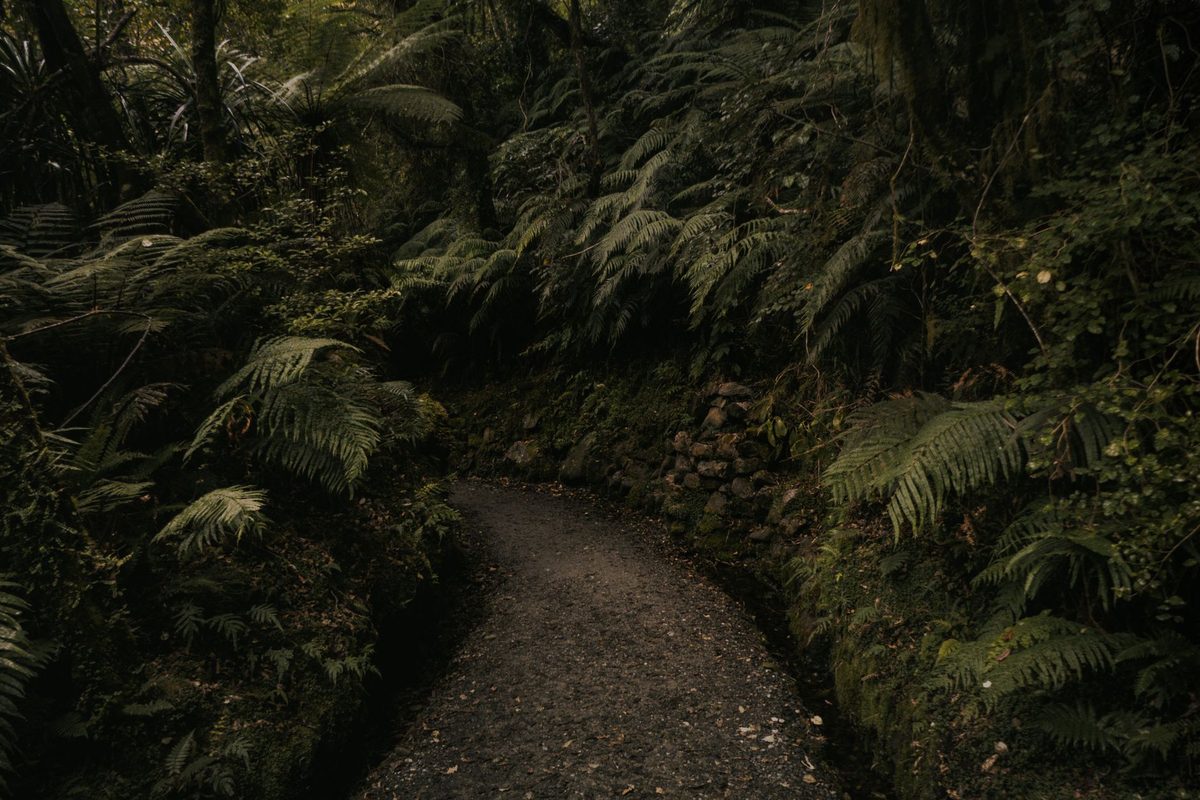
Riders consistently rate the network highly for a reason that goes beyond the scenery: the trail crew has built genuinely flowing, well-maintained singletrack rather than simply clearing a rough line through the bush. Berms, switchbacks and the free-draining pumice base mean the surface rides well even after rain, and it shows in how many repeat visitors treat this as a fixture on their New Zealand trip rather than a one-off detour. That reputation is also why the busiest weeks book out shuttles and Kinloch accommodation well ahead of time, so treat “we will just wing it when we get there” as a plan that works fine for the Kinloch-based sections and poorly for Waihaha.
The four sections, distances and difficulty
Waihaha (30 km, 4 to 5 hours)
The best single day on the whole network by most riders’ accounts, and the most complicated to reach. It starts about 40 minutes’ drive from Kinloch off SH32 and follows the Waihaha River high above a gorge, past the Tieke Falls, before finishing at remote Waihora Bay, where you need a pre-booked water taxi to get back to Kinloch or on to Kawakawa Bay. Riders with their own transport can cut the return logistics by riding it as a 60 km there-and-back, or bail out at 13 km via a farm track back to Western Bays Road. This is a Grade 3 section, meaning narrow track, poor traction in places, and real exposure at the outside edge, so it suits riders with some existing trail experience rather than complete beginners.
Kawakawa to Kinloch, K2K (19.5 km, 2.5 to 3.5 hours)
Starting at the Orakau car park off Whangamata Road, this section runs mostly downhill on flowing singletrack through wetlands and regenerating forest to Kawakawa Bay, the halfway point and a good spot for a swim, then climbs back out via switchbacks before a long descent into Kinloch. There is a shelter and a basic campsite at Kawakawa Bay, which makes an overnight bikepacking split a real option if you are prepared to carry gear.
Otaketake (12 km, 1.5 to 2.5 hours)
The newest section, opened in late 2019, linking Kinloch to the Orakau car park through a stream valley with native bush and birdlife. Ridden alone or combined with K2K for a 32 km loop, it is a good option if you want more distance without the logistics of a shuttle to a remote start point.
Whakaipo to Kinloch, W2K (13 to 22.5 km, 2.5 to 3.5 hours)
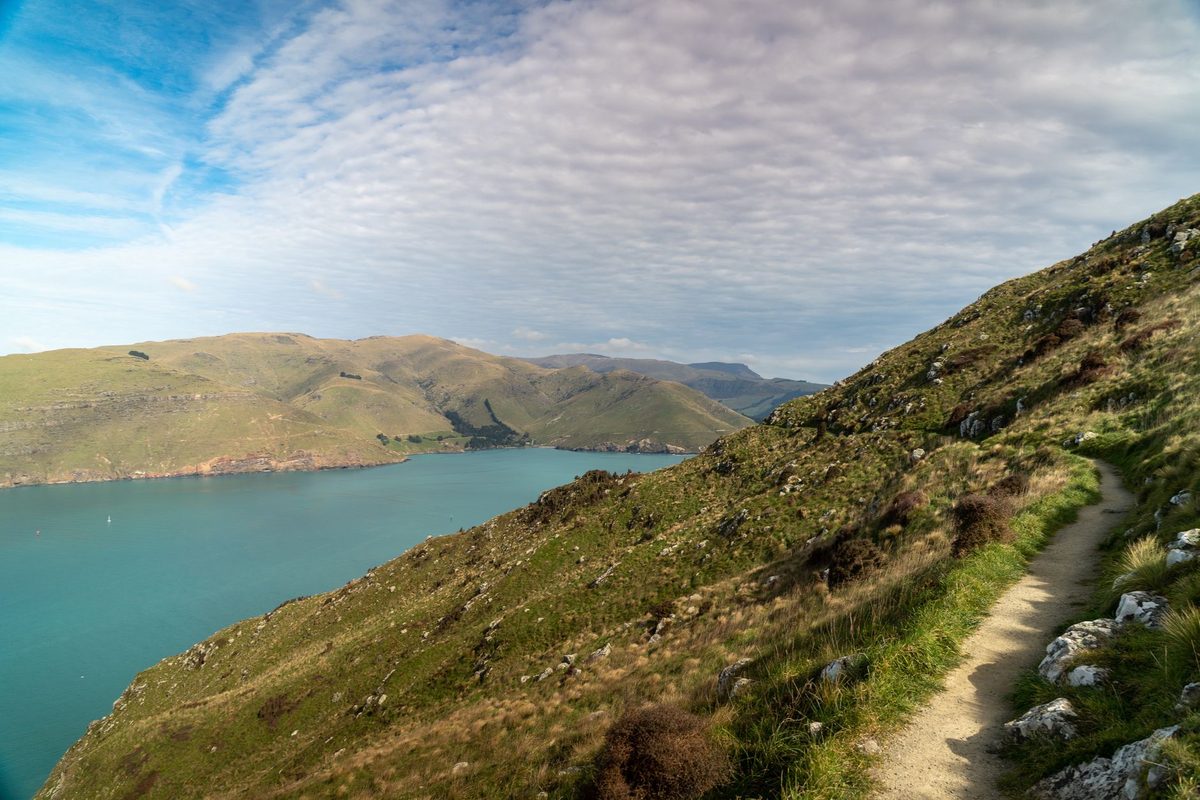
Most commonly ridden from Kinloch out to Whakaipo Bay and back, with the option of adding the 9.5 km Headland Loop for extra distance and some of the best lake and Tongariro National Park views on the entire network. Whakaipo Bay has a basic DOC campground and is also reachable by road, which makes this the easiest section for anyone without a full shuttle budget.
Shuttles, the boat transfer and getting between sections
Lead-in: almost every part of this network requires pre-booked transport, since the sections do not form a simple loop from any one road-accessible car park, and the main operator, FourB Bike Shuttles and Tours, charges roughly NZ$69 to 150 for shuttle transfers depending on the section, with combined shuttle, boat and bike hire packages for the Waihaha section running NZ$310 to 349, and a full two-day, all-inclusive package with accommodation from around NZ$659.
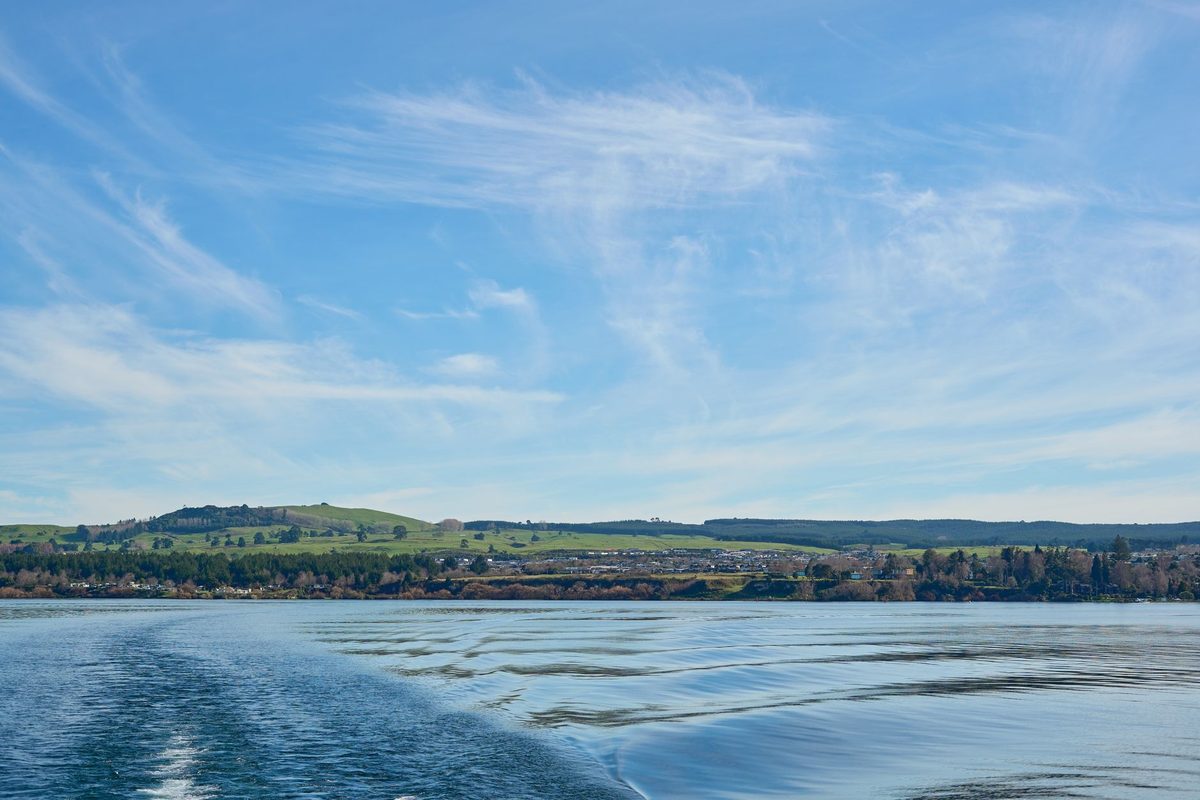
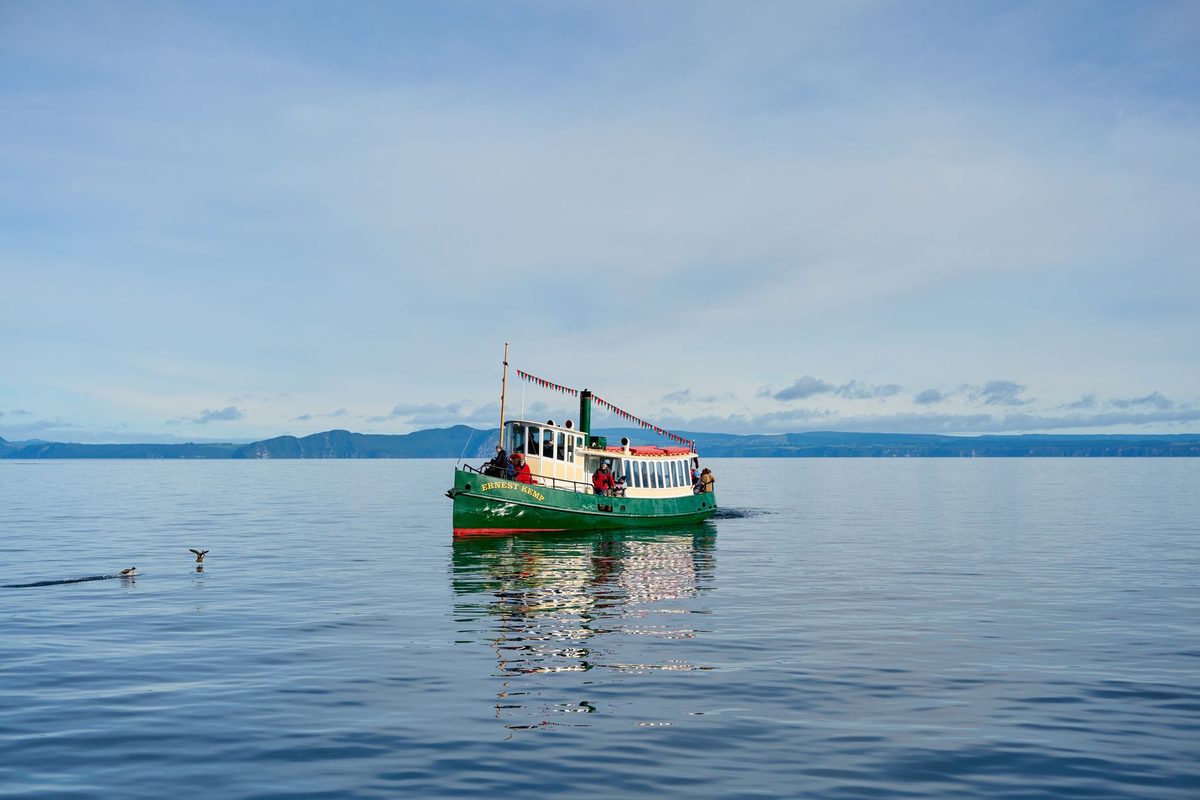
The general pattern is to park your own vehicle in Kinloch and arrange a shuttle to drop you at whichever section start you are riding that day, then either ride back to Kinloch under your own power or arrange a pickup. The Waihaha section is the exception; it genuinely needs a water taxi from Waihora Bay, since there is no rideable road link back from that end, and this leg needs booking in advance rather than turning up and hoping.
Book the Waihaha shuttle and boat combination at least a few days ahead in shoulder season and considerably further out during the December to March peak, since the boat run depends on having enough riders booked to make the crossing worthwhile and operators consolidate bookings onto set departure windows rather than running on-demand. Turning up in Kinloch without a booking and hoping to join a Waihaha trip that day is a genuine risk, particularly outside the busiest summer weeks when departures are less frequent.
If you do not have your own vehicle, which covers a lot of backpackers arriving without a car, local operators will handle the full chain, shuttle from Taupo to Kinloch, transfer to the trailhead, boat transfer where needed, and bike hire, as one booking. It costs more than piecing it together yourself, but for a first-time visitor unfamiliar with the logistics, it removes most of the risk of missing a connection in a genuinely remote stretch of coastline with patchy phone coverage.
Fitness, difficulty and who should skip which sections
Every section on the Great Lake Trail carries a Grade 3, intermediate rating: moderate hill climbs, some loose surface, occasional exposure at the trail’s outside edge, and enough technical variety that a complete beginner on a bike will find sections frustrating rather than fun. Nga Haerenga’s own guidance rates fit children over 12 as generally fine on the network, which is a reasonable benchmark for adults gauging their own readiness too.
Waihaha is the hardest and most remote section and the one to skip if you are newer to mountain biking or short on time; the Otaketake to K2K loop from Kinloch is the easier, more forgiving option for building confidence before committing to a full Waihaha day. If you are travelling with kids or want a low-stakes half day, the short Orakau to Kawakawa Bay return or the Headland Loop from Kinloch are genuinely good options that do not require a boat transfer or an early alarm.
Honest verdict: this is not a network to attempt on a hire bike with no mountain biking background at all. If you have never ridden singletrack before, do a shorter local loop closer to Taupo town first, and treat Waihaha specifically as something to build up to rather than a first outing.
Weather, seasons and trail conditions
Lead-in: the free-draining pumice soils around this stretch of the lake mean the trail rides well in most weather, unlike heavy-clay tracks elsewhere in the North Island that turn to slop after rain, and Bike Taupo markets it honestly as an all-seasons trail, though winter days are shorter and the boat transfer at Waihaha can be cancelled in genuinely rough weather on the lake itself.
December to March is peak season, when the days are longest, the lake is warm enough for a proper swim at Kawakawa or Whakaipo Bay, and everything from shuttles to Kinloch accommodation needs booking well ahead. Winter riding is genuinely rewarding in a different way: clearer air, fewer other riders, and views of a snow-capped Tongariro National Park from the Whakaipo headlands that you simply do not get in summer haze. Check the general regional weather guide before you commit to a Waihaha day specifically, since the boat leg is the one part of this trip genuinely at the mercy of conditions on the open lake.
Whatever the season, the same basic precautions apply as anywhere else in the backcountry around Taupo: check the forecast, tell someone your planned route and return time, and carry more water than you think you need. The regional safety tips guide covers this in more depth and is worth a read before any remote day, on a bike or on foot.
Where to sleep along the trail
Lead-in: options range from basing yourself entirely in Taupo or Kinloch accommodation and day-tripping each section, to overnighting at Kawakawa Bay’s basic campsite, Whakaipo Bay’s DOC campground for certified self-contained vehicles, or Waihaha Hut, a standard 10-bunk DOC hut near the Waihaha section priced at the standard hut rate of roughly NZ$15 per adult per night in 2026, first-come-first-served with no booking required.
Basing yourself in Taupo keeps accommodation cheap and social, with the trade-off of an earlier start each day to meet your shuttle. Kinloch itself has a smaller range of mostly homestay-style accommodation, and because capacity is genuinely limited, book well ahead if you are visiting during the December to March peak season, when the whole region gets busy and Kinloch specifically fills fast. Camping at Kawakawa Bay lets you split the K2K and Waihaha sections across two days without doubling back to town, but you are carrying your own gear and there is no food or water available anywhere along the trail except in Kinloch itself, so pack accordingly.
What’s overrated, and what to skip
What’s overrated
The full two-day, all-inclusive package sold by shuttle operators is convenient but genuinely optional for anyone comfortable organising their own transport; you are paying a meaningful premium for someone else to make phone calls that take about twenty minutes to make yourself once you know which sections you are riding.
E-bike hire is oversold to riders who would manage fine on a standard mountain bike. It is a legitimate and welcomed option on this network, and genuinely useful on the longer Waihaha climbs, but if you are already a competent rider on flatter local trails, you are paying extra for a problem you may not actually have.
What to skip
Skip attempting the Waihaha section without a confirmed water taxi booking; there is no rideable way out from Waihora Bay, and turning up hoping to arrange something on the day in an area with patchy cell coverage is a genuinely bad plan. Skip riding in December to March without booking your shuttle and any accommodation well in advance, since this is peak season across the whole region and capacity around Kinloch specifically is limited. Skip carrying anything but cash-equivalent card payment expectations for food; there is nowhere to buy anything on the trail itself outside Kinloch, so a servo pie halfway round is not an option.
Great Lake Trail by traveller type
Solo backpackers
Doable solo, particularly the Kinloch-based sections (K2K, Otaketake, W2K) which do not require a boat and have reasonable phone coverage close to the settlement. Waihaha solo is fine logistically once the water taxi is booked, but tell someone your plan given how remote the middle section of that ride gets. The wider solo travel guide for the region covers the general precautions worth taking before any remote day out, not just this one.
Families
The Headland Loop and the Orakau to Kawakawa Bay return are both genuinely family-friendly, gentle grades, clear turnaround points, and swimming spots at the far end. Save Waihaha for when kids are older and more confident on technical singletrack; DOC and Nga Haerenga guidance both point to around age 12 as a reasonable minimum for the harder sections.
Groups and couples
The easiest group to plan for, since the shuttle and boat operators are used to organising multiple riders at once and per-person costs drop when you are splitting a shuttle package. Agree on which sections everyone is comfortable with before booking; mixed-ability groups tend to do better splitting into an easier day and a harder day than trying to force everyone through Waihaha together.
A costed two-day sample trip
Lead-in: a realistic two-day trip covering Waihaha on day one and K2K plus Otaketake on day two, based from Taupo with bike hire included, runs roughly NZ$350 to 450 per person for 2026, and that is before accommodation, which adds another NZ$30 to 60 a night depending on whether you are in a hostel dorm or a private room.
Day one: shuttle, boat transfer and bike hire package for Waihaha, around NZ$310 to 349. Lunch and snacks carried with you, since there is nothing to buy on the trail, roughly NZ$10 to 15 if bought at a Taupo supermarket beforehand. Day two: a shorter shuttle to the Orakau car park for K2K and Otaketake, roughly NZ$69 to 100 depending on the operator, plus a well-earned pizza at the Kinloch Store to finish, around NZ$15 to 20. Total transport and food across two days lands around NZ$400 to 480 per person before accommodation, which is a meaningful spend by backpacker standards but genuinely comparable to what two single-activity adventure bookings would cost for a fraction of the time outdoors.
Riders on a tighter budget can cut this significantly by riding only the Kinloch-based sections (K2K, Otaketake, W2K), skipping the Waihaha boat transfer entirely, and self-driving to Kinloch if they already have a car, which brings the whole trip down closer to the cheaper end of the region’s outdoor activities once bike hire alone is factored in.
Gear, bike hire and what to pack
Lead-in: a hardtail or full-suspension mountain bike in decent condition handles every section of this network fine, hire is available through several Taupo and Kinloch operators as part of a shuttle package or standalone, and beyond the bike itself the packing list is short: helmet, gloves, sun protection, at least two litres of water per rider since nothing is sold along the trail outside Kinloch, a basic multi-tool and spare tube, and a fully charged phone given how patchy coverage gets away from the Kinloch end.
If you do not own riding gear, factor hire into your overall cost rather than treating it as an afterthought; bikes, helmets and often basic tools are usually bundled with a shuttle package, but check exactly what is included before you book. Backpackers arriving without any outdoor gear at all should check the general regional packing list for what is worth owning versus hiring for a trip built around several different outdoor activities, not just this one trail.
E-bikes are welcomed across the network and genuinely useful on the longer Waihaha climbs, but battery life matters on the remote sections; confirm with your hire operator that the battery will comfortably cover the full distance you are planning, since there is nowhere to recharge outside Kinloch itself.
How the trail fits into a wider Taupo trip
This is not a trip most backpackers do in isolation; it usually sits inside a longer regional loop. The land itself carries real weight beyond the riding, formed from the same eruption that shaped the wider caldera, and a little background from the Maori history and culture guide adds real context to why Ngati Tuwharetoa’s connection to this shoreline runs so deep.
On the food side, do not expect much beyond Kinloch itself; most backpackers eat properly back in Taupo, where the food and dining scene is far more varied than anything at the trailhead. If you have a full week in the region, this trail pairs naturally with a slower day on the water; anglers chasing trout on the nearby rivers will already know the region’s fishing scene is one of the best in the country, and a quiet fishing morning makes a good contrast to a hard riding day.
More broadly, this trail belongs on the shortlist alongside the region’s other must-do experiences, and if you are still deciding what else to fit into your trip, the full things to do in Lake Taupo guide and the complete backpacking guide are the two best starting points for building the rest of your itinerary around it.
Frequently asked questions
How long does it take to ride the whole Great Lake Trail?
Most riders cover the full 88 km network across two to three days, splitting Waihaha as its own day given the shuttle and boat logistics, then combining K2K, Otaketake and W2K over one or two more days depending on fitness and how many optional loops, like the Headland Loop, you add in.
Do you need a boat to ride the Great Lake Trail?
Only for the Waihaha section, which ends at remote Waihora Bay with no rideable road link back to Kinloch. The other three sections, Kawakawa to Kinloch, Otaketake and Whakaipo to Kinloch, connect by road and shuttle without needing a water taxi, though a boat transfer is available as an option there too.
Can beginners ride the Great Lake Trail?
Beginners can manage the gentler options, particularly the Orakau to Kawakawa Bay return or the Headland Loop from Kinloch, both rated intermediate but genuinely approachable. The Waihaha section is harder and more exposed, and is better suited to riders with some existing trail experience.
Is the Great Lake Trail also walkable, not just for mountain biking?
Yes. The trails are officially shared with walkers, runners and dogs, and several sections, especially the Headland Loop and parts of Whakaipo to Kinloch, work well as half-day walks without a bike at all, though the full Waihaha section is a long day on foot given the remote finish point.
How much does it cost to ride the Great Lake Trail?
A single day on a Kinloch-based section with your own bike and no shuttle can cost close to nothing beyond fuel. A full two-day trip including the Waihaha shuttle, boat transfer and bike hire runs roughly NZ$350 to 450 per person for 2026, before accommodation.
Where do you stay overnight on the Great Lake Trail?
Most riders base themselves in Taupo or Kinloch and day-trip each section. For an overnight split, Kawakawa Bay has a basic campsite, Whakaipo Bay has a DOC campground for certified self-contained vehicles, and Waihaha Hut offers standard DOC bunk accommodation near the Waihaha section for around NZ$15 a night, first-come-first-served.
Final Thoughts
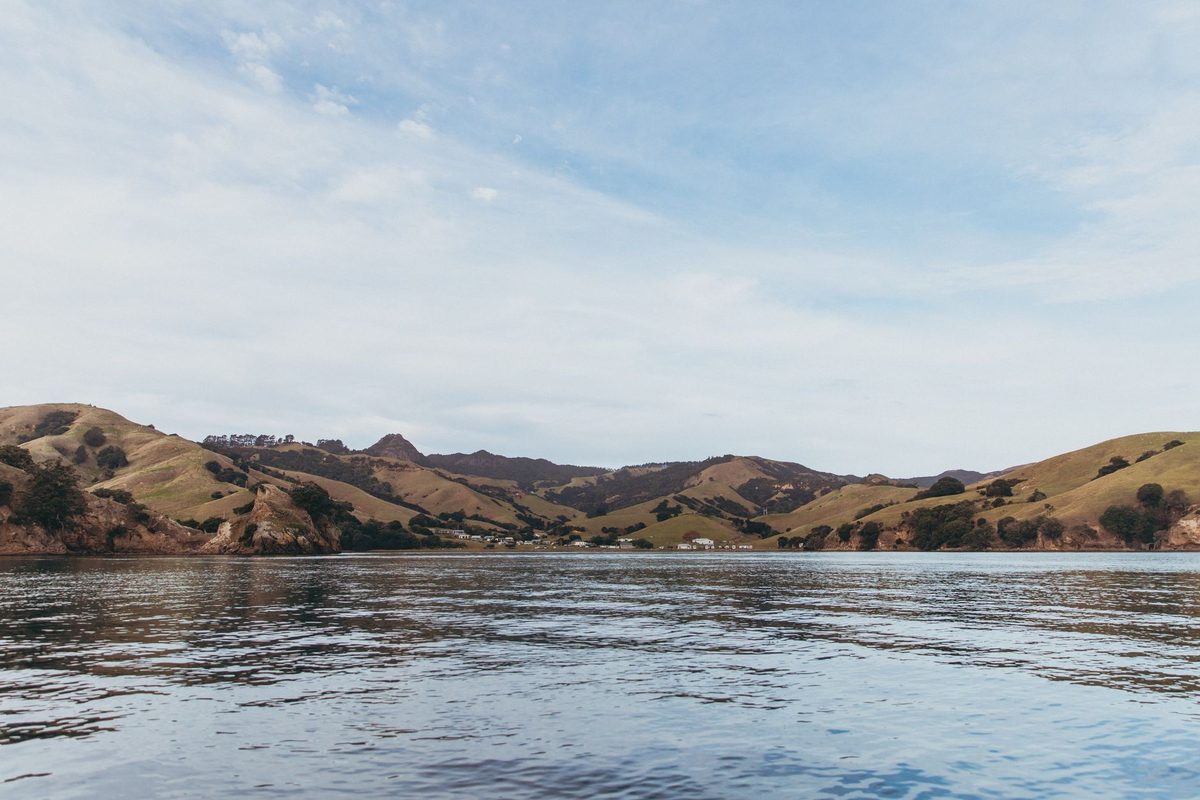
The Great Lake Trail rewards the extra planning it demands. Nowhere else around the lake gets you 88 km of purpose-built singletrack through native bush, clifftop lake views and a genuine boat transfer as part of the day, and the fact that Bike Taupo has kept building and maintaining it since 2006 on volunteer effort shows in how well the trail actually rides.
Book your shuttles and, if you are riding Waihaha, your water taxi, well before you arrive, especially across the December to March peak season. Match the section to your ability rather than your ego, and treat the Kinloch-based loops as the sensible warm-up before committing to a full Waihaha day.
If volcanic landscapes appeal more than forest singletrack on a given day, the Tongariro Alpine Crossing sits about 90 minutes south and makes a genuinely different second big day out during the same trip, and both fit comfortably inside a longer seven-day Lake Taupo itinerary without feeling rushed.
Back to the main guide: for every other trail and walk around the region, see the full Hiking and Walks guide to Lake Taupo.