Get your Lake Taupo packing list as a backpacker sorted before you leave home and you save money, hassle, and a surprising amount of pack space. Taupo throws a bit of everything at you — lake swims, an alpine crossing, free hot springs, and weather that flips from T-shirt to rain jacket inside an afternoon — so a generic New Zealand list will leave gaps. Below is what I actually carry, category by category, with the stuff worth the money flagged and the stuff you can leave at home. If you’re still shaping the trip itself, start with our complete Lake Taupo backpacking guide.
Choosing the Right Backpack
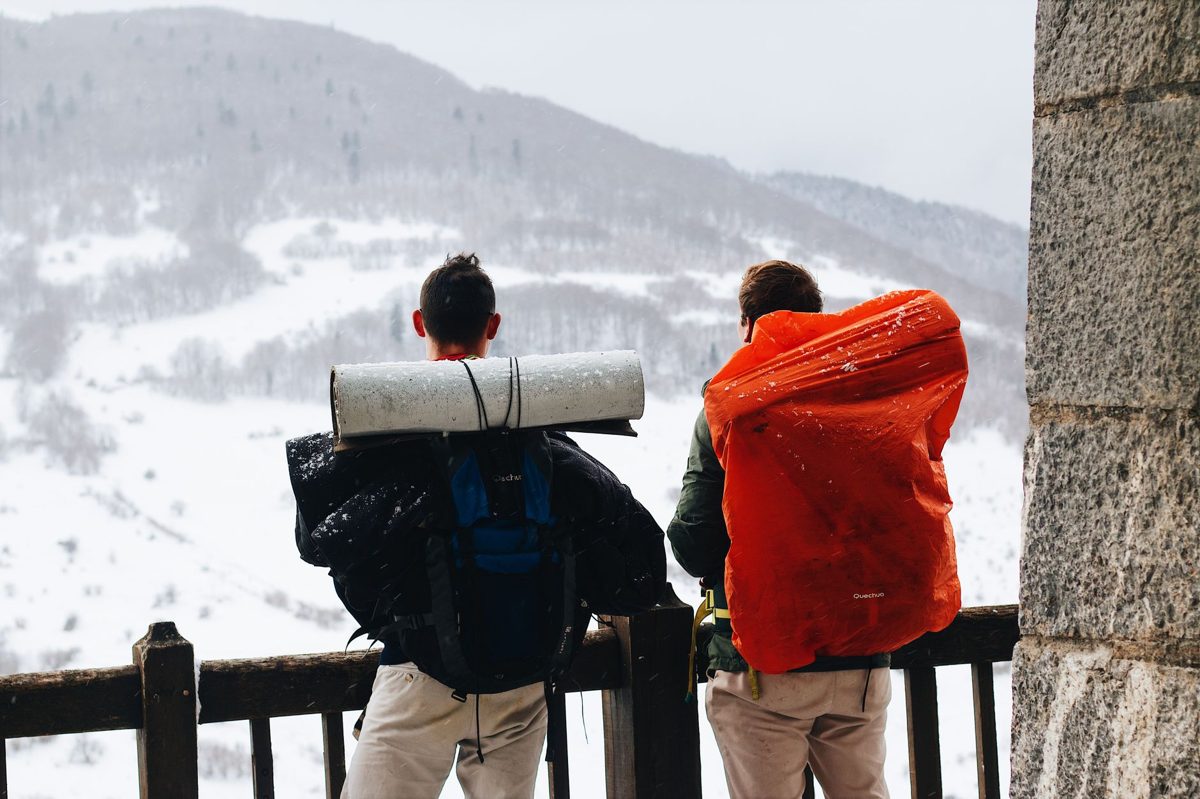
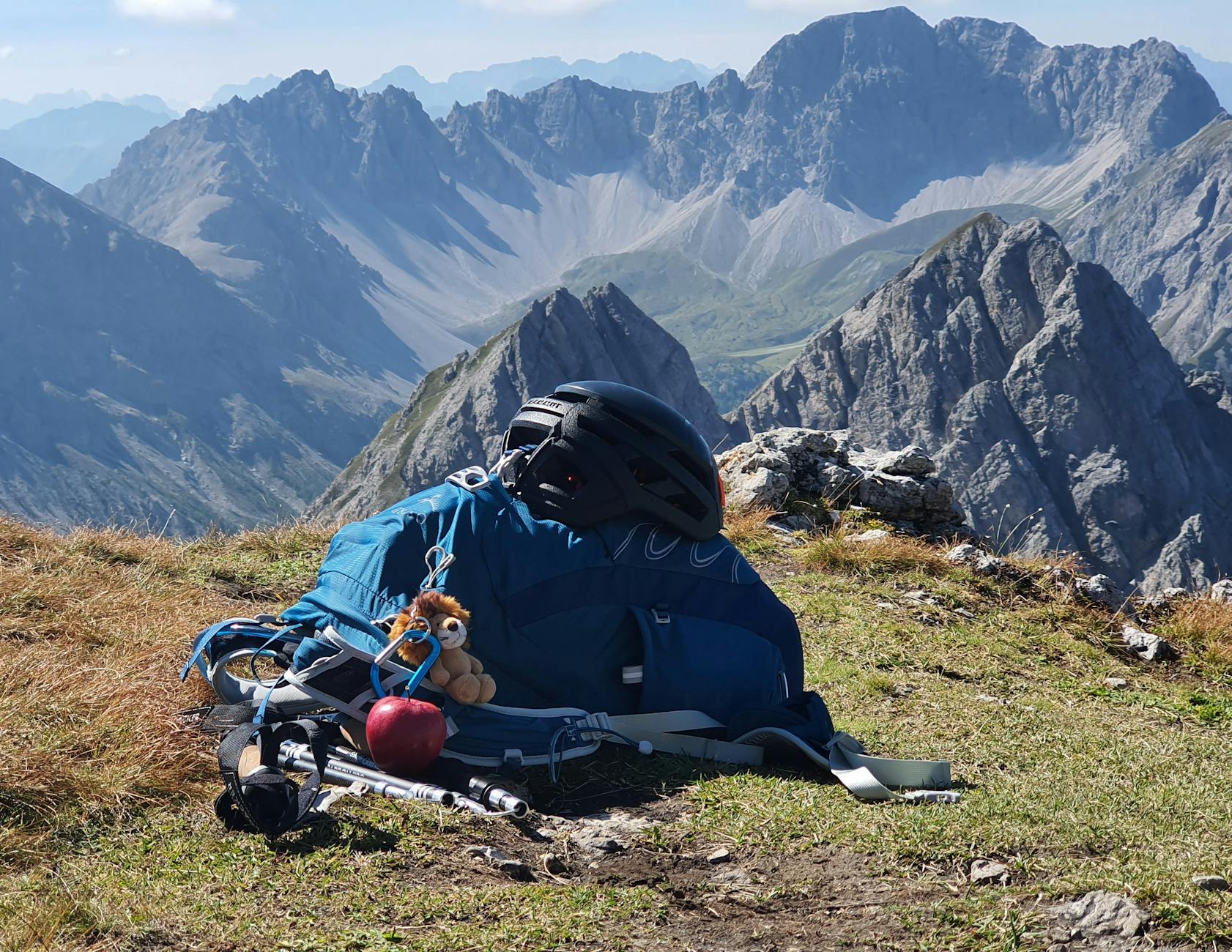
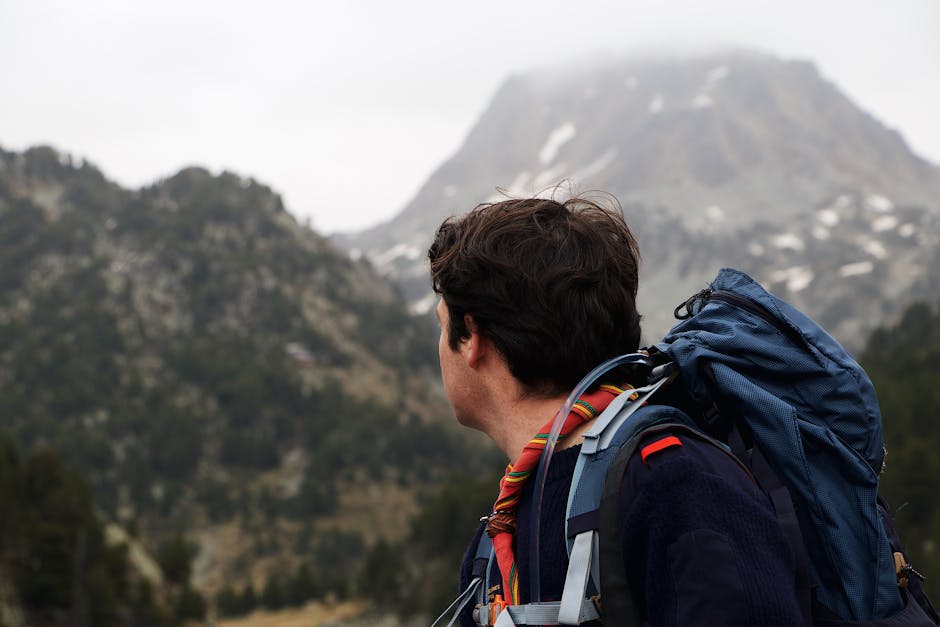
Your pack is the one gear call you can’t easily undo mid-trip, so get it right. For a Lake Taupo trip of one to three weeks, a 40–55 litre main pack is the sweet spot. Go bigger and you’ll fill it with things you never touch; go smaller and you’ll be strapping gear to the outside and cursing it at every bus transfer.
Look for an adjustable hip belt that shifts the load onto your hips instead of your shoulders — that one feature does more for comfort than anything else. Ventilated back panels are a real plus in the warmer months. A rain cover is non-negotiable; some packs include one, and if yours doesn’t, buy a separate one before you go. Internal-frame packs carry long distances far better than frameless ones.
On top of the main pack, bring a 20–30 litre daypack for hikes, day trips, and hauling essentials around town. This is what rides on your back for the Tongariro Alpine Crossing, the Huka Falls walk, and pottering along the lakefront. Pick one that packs flat inside your main bag — some packable daypacks weigh under 200 grams and fold into their own pocket.
Packing cubes or compression sacks keep the main pack tidy so you’re not unpacking the whole thing to find one sock. Dry bags or waterproof stuff sacks are worth their weight in gold for electronics, documents, and a spare set of clothes — Taupo rain arrives with very little warning.
Clothing: The Layering System
New Zealand weather changes on a whim, and Taupo — sitting at 356 metres above sea level in the central North Island — runs the full range from blazing summer afternoons to frosty winter mornings. The trick to packing clothes here is a layering system you can add to or strip off as the day shifts, rather than one heavy outfit that’s wrong half the time.
Base Layers
Base layers sit against your skin and shift moisture away. Go merino wool or synthetic polyester — never cotton, which soaks up sweat and stops insulating the moment it’s wet. Merino is a New Zealand specialty, sold at fair prices by the likes of Icebreaker and Macpac, and it’s naturally odour-resistant, so you can wear it several days between washes — a genuine win when hostel laundry runs NZ$4–6 a load. Pack two or three base-layer tops (mix of short and long sleeve) and one or two bottoms.
Mid Layers
Mid layers are your insulation. A fleece or a lightweight puffer earns its spot. Fleece is tough, dries fast, and keeps working when damp. Down packs down tiny and gives you the best warmth for the weight, but it quits when soaked — so for Taupo’s rain, synthetic insulation is the safer bet. One mid-layer covers most summer trips; winter travellers want two, a light fleece for mild days and a warmer puffer for cold evenings.
Outer Shell
A waterproof, breathable rain jacket is, hands down, the single most important clothing item for backpacking in Taupo. New Zealand gets 120–150 rain days a year, and Taupo’s inland spot means showers can sweep in from any direction. Look for sealed seams, a hood that adjusts over a hat or helmet, and underarm zips for venting on the climbs. Gore-Tex-style membranes perform best, but budget shells from Kathmandu and Macpac do the job fine. Skip the cheap plastic ponchos — they tear, and they turn into a sweat sauna.
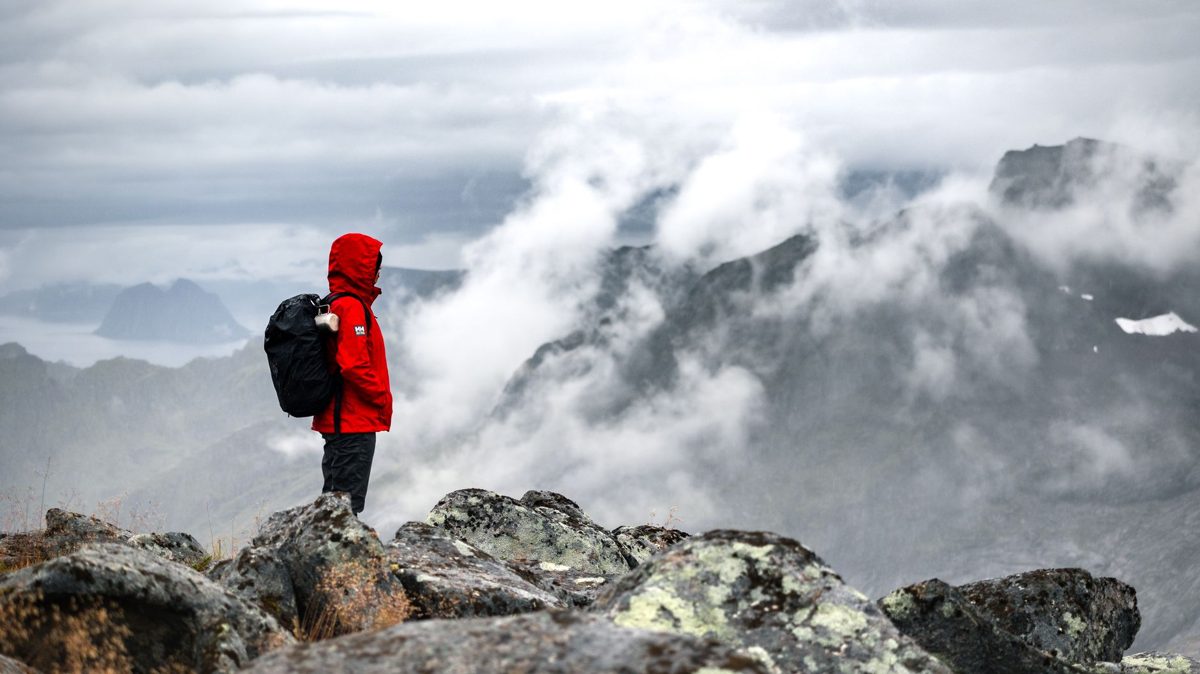
Waterproof trousers are optional in summer but worth it in winter, or any time you’re tackling the Tongariro Alpine Crossing in shoulder season when conditions can turn fast. Lightweight ones that pack small and pull on over your regular trousers are ideal.
Everyday Clothing
Beyond the layers, pack roughly five to seven days of everyday clothes — you can do laundry at basically every hostel and holiday park in town, so there’s no reason to over-stuff. A practical list:
Tops: Three or four T-shirts or casual tops in quick-dry fabric. Dodge cotton where you can — it takes forever to dry in humidity and is useless for hiking. Blends or full synthetics are ideal.
Bottoms: Two pairs of shorts (warm days and hostel lounging), one to two pairs of lightweight hiking trousers — zip-off convertibles that turn into shorts are genuinely handy — and one pair of comfy evening trousers or jeans for going out.
Underwear and socks: Five to seven of each. Spend the money on proper hiking socks with reinforced heels and toes — your feet will thank you halfway across the Tongariro Crossing. Merino-blend hiking socks fend off blisters and wick moisture far better than cotton.
Swimwear: At least one, and honestly non-negotiable. You’ll use it swimming in the lake, soaking in the free hot springs at Spa Thermal Park, at Taupo DeBretts, and for any kayaking. Pack two if you’ll be in the water often — having a dry one ready makes a real difference.
Warm extras: A beanie and light gloves for winter or early-morning starts. A buff or neck gaiter is one of the most versatile things you can carry — scarf, headband, face cover, sun protection, all in one. Add a warm hoodie for hostel common rooms and evening lakefront walks.
Footwear
Footwear can make or wreck a Taupo trip. You’ll be on everything from smooth lakefront paths to sharp volcanic rock on the Tongariro Crossing, and having the right shoes for each keeps blisters, rolled ankles, and misery at bay.
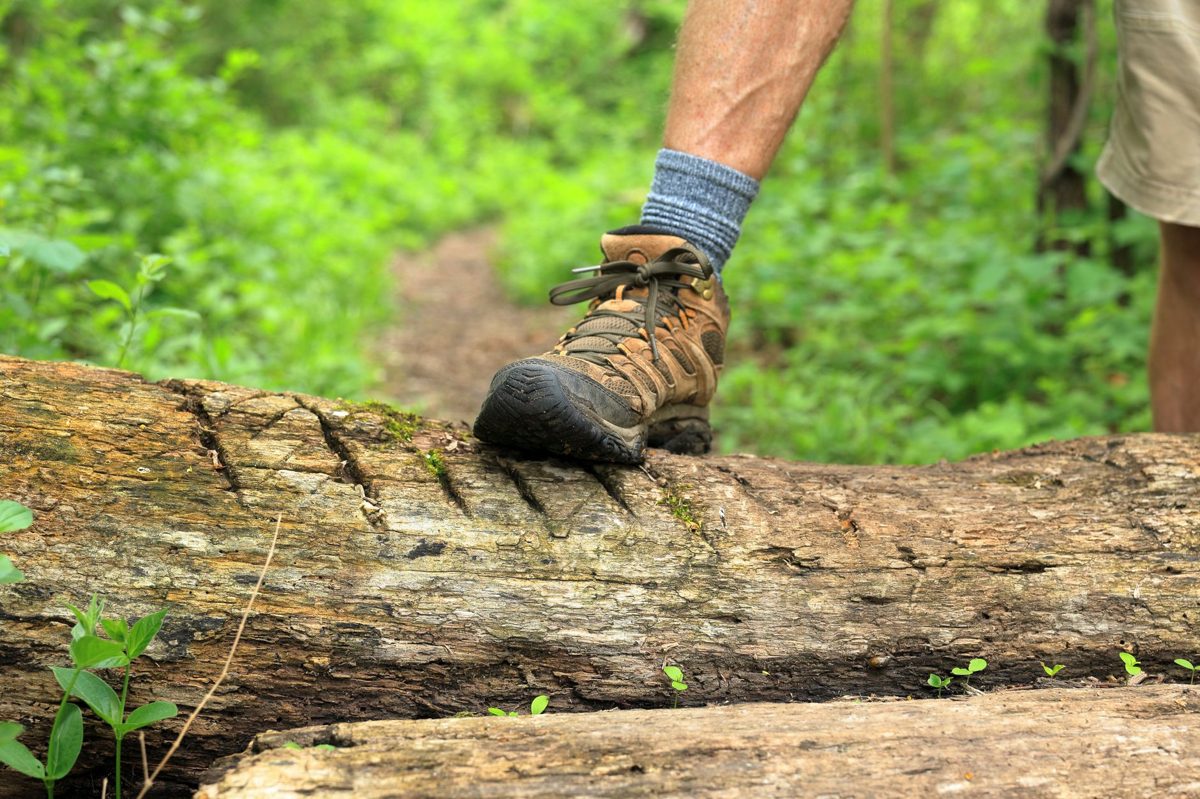
Hiking boots: If you’re doing any serious walking — the Tongariro Crossing especially — proper boots with ankle support are essential, and you must break them in before you fly. Waterproof boots come with a catch: once they get wet inside, from a stream or hours of rain, they take far longer to dry than breathable ones. A decent middle ground is breathable boots treated with a DWR spray. Mid-cut boots hit the best balance of ankle support and comfort without full mountaineering weight.
Casual shoes or trainers: A comfy pair for town days, hostel life, and easy lake walks — something you can be on your feet in all day. Plenty of backpackers run trail runners as their only footwear, doubling as hikers and everyday shoes, which works well if you’re not planning heavy alpine days.
Jandals (flip-flops): Essential for hostel showers, hot springs, and lazy summer days by the lake. They pack flat and weigh nothing. Loads of NZ hostels have shared bathrooms, so shower-specific footwear is both hygienic and sensible. If you want a bit more security underfoot, slide sandals with a strap do the trick.
Sun Protection
Sun protection in New Zealand isn’t optional — underestimating it is genuinely dangerous. The ozone layer over the Southern Hemisphere is thinner than over Europe or North America, and UV here peaks around 40 percent higher than at the same latitudes up north. On a clear summer day you can burn in 10–15 minutes, whatever your skin tone. New Zealand’s MetService publishes a daily UV index for Taupo — worth a glance before a big day out.
Sunscreen: SPF 50+ broad-spectrum, applied liberally and often. NZ sunscreen is excellent but pricey (NZ$15–25 for a decent bottle), so bring a tube from home if you can. Reef-safe mineral formulas are kinder to the lake if you’re swimming.
Sunglasses: Polarised, with proper UV protection. The glare off Lake Taupo on a bright day is fierce, and polarised lenses make a dramatic difference for comfort and eye protection both. Bring a retainer strap for water activities — losing your sunnies in the lake is a rite of passage worth skipping.
Hat: A wide-brimmed hat shields your face, ears, and neck best. Caps beat nothing but leave your ears and neck exposed. For hiking, get one with a chin strap so it doesn’t sail off a windy ridgeline like the Tongariro Crossing.
Lip balm with SPF: Easy to forget, painful when you do — lips burn and are slow to heal. Pack SPF 30+ and reapply through the day.
Hostel and Accommodation Essentials
Hostel life in Taupo is comfortable and social, but a few bits from home make it noticeably better. Most places supply bedding — sheets, duvet, pillow — so these are the extras that punch above their weight. For where to actually book, our guide to where to stay in Taupo runs through the best backpacker options.
Microfibre travel towel: Most hostels don’t hand out towels, or charge NZ$2–5 to hire one. A microfibre towel dries in a fraction of the time, packs tiny, and handles showers, lake dips, and hot springs alike. Pack two if space allows.
Sleeping bag liner: A silk or cotton liner adds warmth to hostel bedding in winter and gives you a clean, familiar barrier against well-used sheets. It doubles as a light sleeping bag on hot summer nights. And if you’re eyeing any DOC hut stays, a sleeping bag (a liner at the very least) is required — huts provide mattresses, not bedding.
Padlock: Many hostels give you a locker but not a lock. Bring a small combination padlock — skip key locks, because losing a tiny key in a dorm is basically guaranteed. A cable-style lock fits more locker designs than a rigid one.
Earplugs and eye mask: Non-negotiable for dorm survival. Snorers, early risers, and midnight arrivals are all part of the deal. Good foam earplugs (buy a bulk pack before you leave) and a comfy eye mask are the difference between sleeping and simmering. Reusable silicone earplugs block more noise if you prefer.
Head torch: A small LED head torch is gold for moving around a dark dorm without waking everyone, early hike starts, and the odd power cut. A red-light mode lets you see without blinding sleeping roommates. You’ll want one for any pre-dawn Tongariro start too.
Reusable water bottle: Taupo’s tap water is excellent and perfectly safe, so a refillable bottle saves you NZ$3–5 every time you’d otherwise buy plastic. A 750ml–1L insulated bottle keeps water cold on hot days; for hikes, step up to 1.5–2L or a hydration bladder in your daypack. To see how these small savings stack up over a trip, our backpacker budget breakdown lays out the daily numbers.
Toiletries and Personal Care
Pack toiletries in travel-sized containers to save space and weight. Almost everything is on sale in Taupo’s supermarkets (Countdown, New World, Pak’n Save) and pharmacies, but bringing it from home is usually cheaper.
Essentials: Toothbrush and toothpaste, deodorant, shampoo and conditioner (solid bars save space and dodge liquid limits), body wash or soap, razor, and any prescription meds. If you’re on prescription medicine, bring more than you think you’ll need plus a copy of the prescription — replacing meds in New Zealand without a local doctor’s visit is slow and expensive.
Insect repellent: Sandflies are the curse of New Zealand’s outdoors — tiny black flies whose bites itch for days. They’re worst near water, in bush, and at dawn and dusk, which is exactly where you’ll be: around the lake, on bush walks, and at the hot springs. DEET works best; picaridin is gentler on skin and gear. Put it on before you reach a known sandfly spot, not after the biting starts.
Hand sanitiser: Handy when soap and water aren’t — DOC toilets on the trails, quick road-trip stops, and before eating outdoors.
Health and First Aid
Taupo has solid medical facilities, including a hospital and several pharmacies, but a small first aid kit saves you time and money on the minor stuff. Something that fits in your daypack should cover:
Blister treatment: Compeed or similar plasters are essential for any hiking. Slap one on at the first hot spot — don’t wait for a full blister. Moleskin and medical tape help with prevention on longer days like the Tongariro Crossing.
Pain relief: Ibuprofen and paracetamol handle most headaches, hiking aches, and minor pains. They’re cheap in NZ supermarkets, but having some on you is convenient.
Antihistamines: For sandfly bites and the odd allergic reaction. Oral antihistamines cut the itch and swelling from bites; a topical cream gives you localised relief.
Wound care: Plasters, antiseptic wipes or cream, gauze, and medical tape cover the cuts and grazes that come with hiking. Volcanic rock is unforgiving if you slip — cuts from lava rock heal slowly and are prone to infection, so clean them properly.
Other useful bits: Oral rehydration sachets (good after a big hike or a night out), anti-diarrhoeal medication, motion-sickness tablets if you’re prone — some of Taupo’s jet-boat rides and scenic drives throw you around — and after-bite cream.
Technology and Electronics
Keep the tech minimal but functional. New Zealand uses Type I power outlets (same as Australia), which differ from US, UK, and European plugs. Coming from overseas, a universal travel adapter is essential — buy one before you land, because airport and tourist-shop prices are a rip-off.
Phone and charger: Your phone is your camera, map, booking tool, banking app, and lifeline. Bring the charger and add a power bank (10,000–20,000 mAh) for days off-grid — the Tongariro Crossing runs 6–8 hours with nowhere to charge. A waterproof phone case is a small price for kayaking, lake swims, and rainy days.
Camera: Optional, but Taupo is stunning. If you bring a proper camera, carry enough memory cards and a way to back up photos — some hostels have computers, but leaning on them for backups is risky. A small action camera handles water and rough conditions better than a phone.
Earbuds or headphones: For bus rides, hostel downtime, and blocking dorm noise (alongside proper earplugs for sleep). Wireless earbuds pack smaller than over-ears.
Documents and Money
Keep the important stuff secure and reachable. A waterproof document wallet or a zip-lock bag saves your papers from rain and spills.
Essential documents: Passport (plus a photocopy stored separately), visa docs (NZeTA if it applies to you), travel insurance details (printed and digital), driver’s licence if you’ll rent a car or campervan, and any accommodation or activity confirmations.
Money: New Zealand is largely cashless — contactless works almost everywhere in Taupo, from supermarkets to market stalls. Still, carry some cash (NZ$50–100) for DOC camping fees, small market vendors, or splitting hostel expenses. Tell your bank you’re travelling so your card doesn’t get blocked, and a fee-free travel card (Wise, Revolut) beats a standard bank card on foreign transaction costs.
Activity-Specific Gear
What else you carry depends on what you’re doing. Most specialised kit can be hired locally, so don’t buy expensive gear you’ll use once. If you’re still deciding how to fill your days, our roundup of things to do in Lake Taupo is a good starting point.
Tongariro Alpine Crossing: Good boots, a 20–30L daypack, rain jacket, warm layers, 1.5–2L of water, packed lunch and snacks, sunscreen, hat, sunglasses. In winter or shoulder season add gaiters, crampons, and an ice axe — hire them from local outdoor shops if you don’t own them, or book a guided trip that includes gear. Our hiking and walks guide covers the crossing and other Taupo trails in detail.
Hot springs: Swimwear and a towel. Wear old or dark swimwear at the free Spa Thermal Park springs — the mineral-rich water can discolour light fabrics over time. Jandals help on the hot rocks around geothermal areas. For the full lineup of steaming spots, see our guide to the geothermal attractions near Taupo.
Fishing: You need a Taupo Fishing Licence, which is separate from a standard NZ licence. Basic gear can be hired from local shops; if you bring your own, a lightweight travel rod and a small tackle box of spinners and lures for rainbow and brown trout will do. Our Lake Taupo fishing guide covers licences and the best spots.
Mountain biking: Taupo has excellent trails, including the Great Lake Trail. Bikes and helmets are easy to hire locally. If you bring your own helmet, the pack space is worth it — a familiar, well-fitting helmet is always safer than a rental. Gloves and padded shorts help on longer rides.
Kayaking and water sports: Most operators supply the gear. Bring swimwear, sunscreen, a hat that won’t blow off, and a dry bag for your phone and wallet. Water shoes or old trainers that can get wet help when you’re launching off a pebbly beach.
Seasonal Packing Adjustments
What you pack shifts with the season. For a fuller breakdown of what each month looks like, see our guide on the best time to visit Lake Taupo.
Summer (December–February): Lean into sun protection and light clothing — you’ll live in shorts and T-shirts. Bring two swimsuits so one can dry while you wear the other. A light fleece covers cooler evenings, and your rain jacket still comes on every hike.
Autumn (March–May): Add warmer mid layers and a beanie. Mornings and evenings cool off, especially from April, so your layering system starts earning its keep. Waterproof trousers are worth a thought.
Winter (June–August): Pack your warmest gear — thermals, a serious down or synthetic jacket, warm gloves, a scarf, and a good beanie become daily kit. If you’re skiing Whakapapa or Turoa on Mount Ruapehu, hire ski gear locally rather than lugging it — the luggage savings are substantial.
Spring (September–November): Pack for anything — warm one morning, frosty the next. Layers are your friend. Waterproof gear matters most now, as spring is Taupo’s wettest stretch, and allergy sufferers should carry antihistamines for the pollen from September on.
What NOT to Pack
Knowing what to leave behind matters as much as knowing what to bring. These are the usual suspects that get over-packed and aren’t worth the weight.
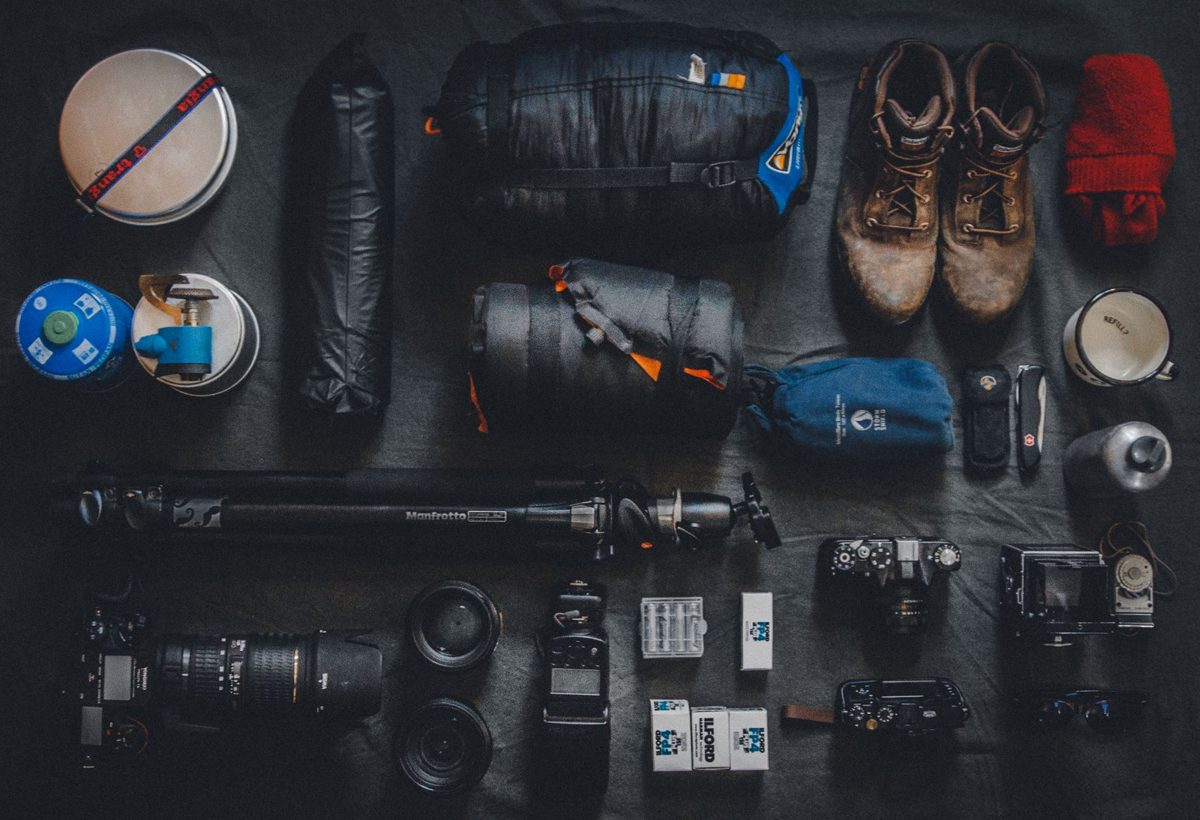
Too many clothes: Laundry is cheap at every hostel, so five to seven days of clothing is plenty. Resist packing for every hypothetical — you can always buy something in Taupo if you genuinely need it.
Heavy books: An e-reader weighs a fraction of a paperback and holds thousands of titles. Most hostels also run book-exchange shelves. If you must bring a physical book, bring one and swap it when you’re done.
Full-sized toiletries: You don’t need a litre of shampoo for two weeks. Travel sizes or solid bars save real space and weight — top up from local supermarkets as you go.
Expensive jewellery or valuables: Hostel dorms are generally safe but not theft-proof. Leave anything irreplaceable at home; a basic watch and minimal accessories are all you need.
Bulky towels: A microfibre travel towel replaces a bath towel at a fraction of the size and weight. Regular towels hog pack space and take forever to dry.
Excessive specialised gear: Unless you’re a serious angler, cyclist, or climber, hire it locally. Taupo has good outdoor shops and rental services — hauling a fishing rod across the world for one day out isn’t worth it.
Where to Buy Gear in Taupo
Forget something, or realise you need extra gear once you’re here? Taupo shops have you covered. Hunting & Fishing on Tongariro Street stocks outdoor clothing, footwear, and accessories at fair prices. Torpedo7 carries hiking boots, daypacks, rain jackets, and camping gear. The Warehouse — New Zealand’s budget department store — sells basic outdoor clothing, toiletries, and travel bits cheap. Countdown and Pak’n Save handle toiletries, sunscreen, repellent, and first aid basics. Several outdoor hire shops on the main street rent Tongariro Crossing gear specifically — boots, poles, crampons, rain jackets — which is ideal if you only need specialist kit for a single day.
Complete Packing Checklist
Here’s the at-a-glance version to print or screenshot before you pack:
Bags: 40–55L main backpack, 20–30L daypack, packing cubes, dry bags, rain cover.
Clothing: 2–3 base layers, mid-layer fleece or puffer, waterproof jacket, 3–4 T-shirts, 2 shorts, 1–2 hiking trousers, 5–7 underwear, 5–7 socks (including hiking socks), 1–2 swimsuits, beanie, buff, casual evening wear.
Footwear: Hiking boots, casual shoes or trainers, jandals.
Sun protection: SPF 50+ sunscreen, polarised sunglasses, wide-brimmed hat, SPF lip balm.
Hostel gear: Microfibre towel, sleeping bag liner, padlock, earplugs, eye mask, head torch, reusable water bottle.
Toiletries: Travel-sized essentials, insect repellent, prescription meds, hand sanitiser.
First aid: Blister plasters, pain relief, antihistamines, bandages, antiseptic.
Tech: Phone and charger, power bank, travel adapter (Type I for NZ), earbuds, waterproof phone case.
Documents: Passport, visa docs, travel insurance, driver’s licence, booking confirmations, NZ$50–100 cash, travel debit card.
Frequently Asked Questions
Do I need a sleeping bag for Taupo hostels?
No — Taupo hostels provide bedding (sheets, duvet, pillow). A sleeping bag liner is a nice-to-have for warmth and hygiene, but not required. The exception is DOC hut stays on multi-day hikes: those provide mattresses only, so you’ll need a proper sleeping bag. If you might camp or stay somewhere very basic, pack a lightweight bag.
What hiking boots should I bring for the Tongariro Crossing?
Mid-cut boots with good ankle support and a sturdy sole. The terrain is volcanic rock, loose scoria, and uneven ground, so ankle support matters more than waterproofing. Break them in well before the hike — the Tongariro Crossing is the last place you want to wear new boots. No boots? You can hire a pair from outdoor shops in Taupo.
Can I just buy everything in Taupo instead of packing it?
You can buy most essentials in Taupo, but prices run higher than in bigger cities or back home — outdoor gear in particular is dearer in New Zealand than in the US or UK. Toiletries and basic clothing are reasonable at supermarkets and The Warehouse. Specialist items like hiking boots and a quality rain jacket are worth bringing from home if you already own them.
How much should my packed bag weigh?
Aim for 10–15 kg all in, with under 12 kg the ideal for comfortable long-term travel. Weigh the packed bag before you leave and ruthlessly pull anything you’re not sure you’ll use. Every kilo counts when you’re walking between hostels, catching buses, and carrying it up stairs.
Do I really need a rain jacket in summer?
Yes. Taupo showers roll in year-round, and altitude on hikes like the Tongariro Crossing means weather can flip from sun to sideways rain in minutes even in January. A waterproof, breathable jacket is the one clothing item I’d never leave behind, whatever the forecast says.
Back to the main guide: for budgets, timing, itineraries, and everything else, head back to our Lake Taupo backpacking guide. Packing light is only step one — once you’re sorted, our 3-day Lake Taupo itinerary is a great way to hit the highlights fast.
1 comment