The best time to visit Lake Taupo for backpackers is March into April — late summer warmth, thinning crowds, cheaper beds, and everything still open. That’s the short version. But every season here has a real case depending on what you’re chasing: swimming and a snow-free Tongariro Crossing, the cheapest possible dorm, ski access, or empty trails. This is a month-by-month breakdown so you can match your trip to your priorities instead of guessing. For the wider planning picture, start with our Ultimate Backpacking Guide to Lake Taupo.
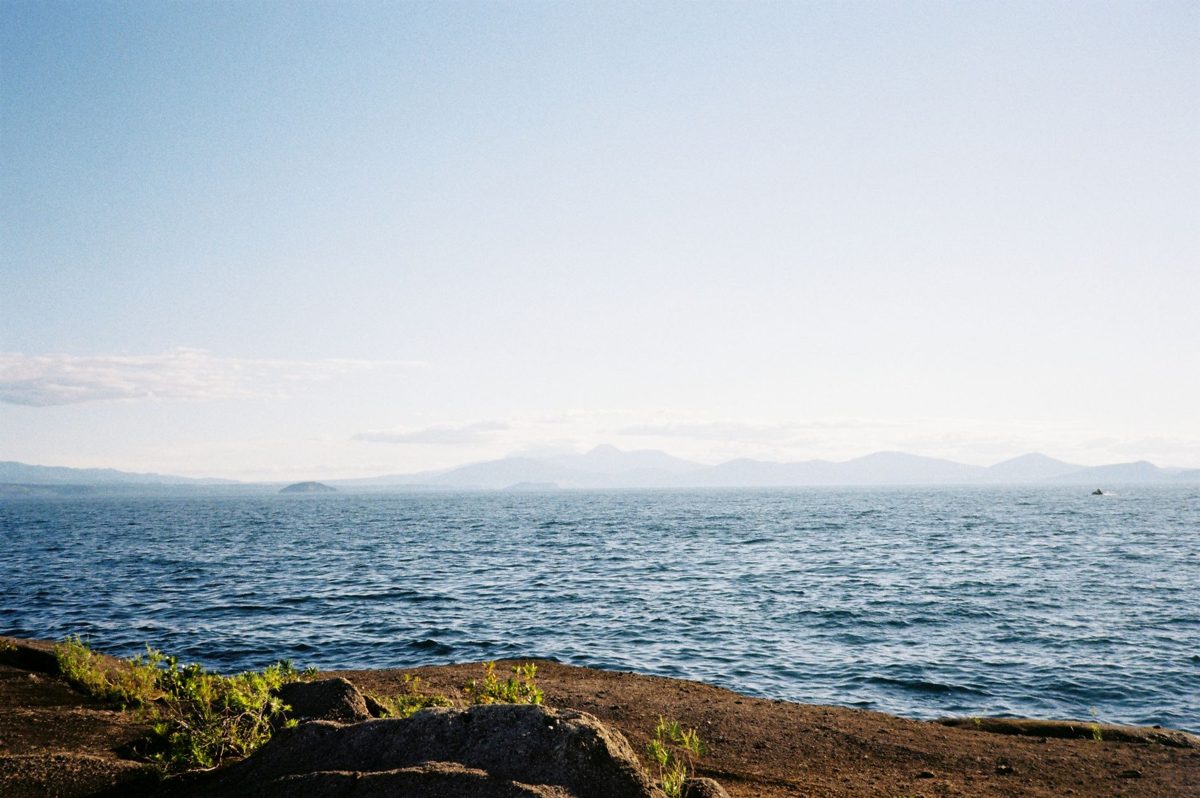
Quick Answer: When Should Backpackers Visit Taupo?
The short answer: March to April (late summer into autumn) is the sweet spot for most backpackers. You get weather warm enough to swim and hike, noticeably fewer crowds than peak summer, lower accommodation prices, and all activities still running. That said, every season earns its place depending on what you want from the trip — here’s the full breakdown.
Summer: December to February
Weather
Summer is the warmest stretch in Taupo, with daily temperatures of 14–25°C and the odd hot day nudging 28°C or above. Lake temperatures climb to around 18–21°C — warm enough for a comfortable swim. Daylight runs from about 6am to 9pm, so you get maximum time on the water or the trail. Rainfall is moderate (roughly 70–90mm a month), but New Zealand weather turns on a dime — carry a rain layer even on a bluebird day.
Crowds and Prices
Peak summer (late December through early February) is the busiest time here. Kiwis and international travellers pour into the lake region. Dorm beds that cost NZ$25–30 in winter jump to NZ$38–45, and the popular hostels fill a week or more ahead. Tongariro Crossing shuttles need booking several days out. Skydiving and jet boating can hit same-day availability limits. If you’re visiting over Christmas and New Year, book everything as far ahead as you possibly can.
Activities Available
Everything’s open and running in summer. The Tongariro Alpine Crossing is in prime shape (snow-free, no special kit). Lake swimming, kayaking, paddleboarding, and sailing are at their best. Skydiving gets the clearest skies. The Taupo Night Market runs Fridays. Outdoor cafes and bars are buzzing. This is the season with the widest range of experiences on offer.
Best For
Backpackers who prioritise water activities, guaranteed warm weather, and a social hostel scene. Summer also suits anyone on a tight timeline who wants to pack in the maximum without weather disruptions. Just know that summer runs 20–30% more than the shoulder or off seasons — worth crunching against our Lake Taupo backpacker budget breakdown before you lock in dates.
Autumn: March to May
Weather
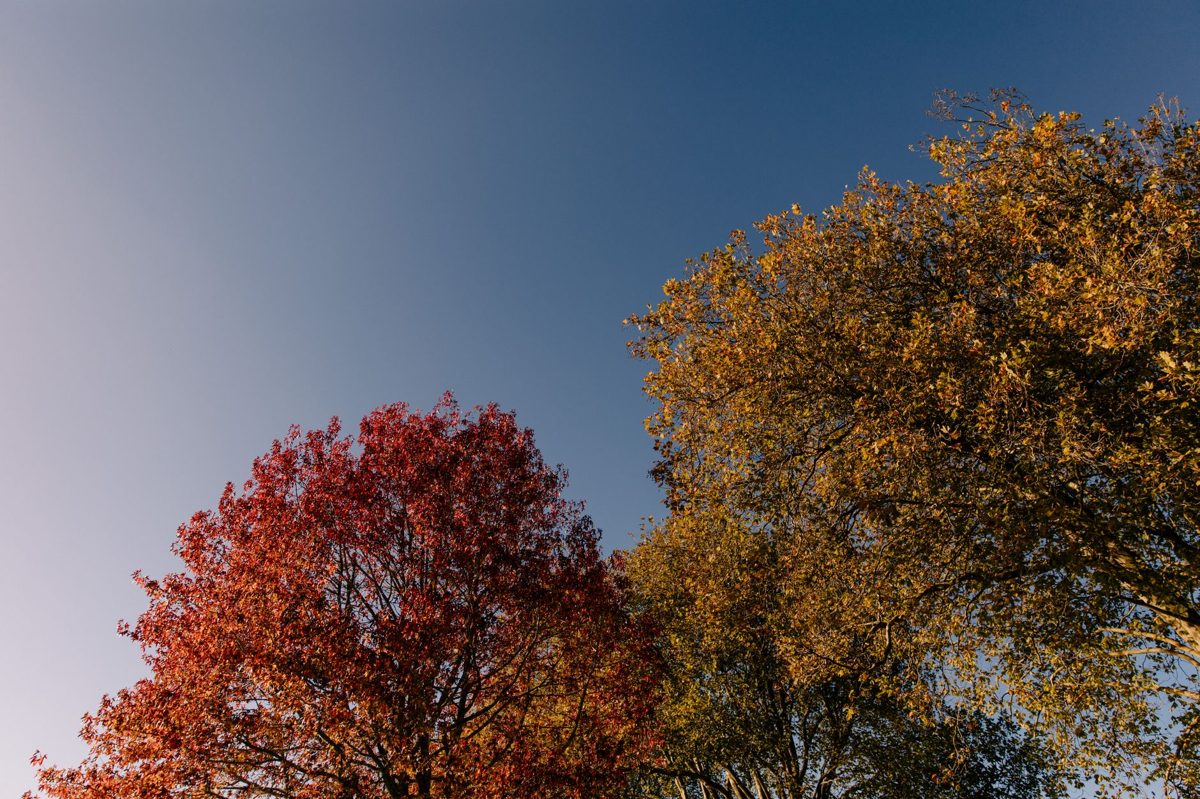
Autumn is a beautiful season in Taupo. March is basically an extension of summer — 12–23°C, plenty of warm sunny days, and a lake still warm enough to swim. April cools to 9–18°C, comfortable for hiking but a touch cold for casual lake swimming. By May it’s 6–14°C, mornings can be frosty, and you’ll want warm layers. Rainfall is similar to summer (70–100mm a month). The autumn light around the lake is gorgeous, and the surrounding forests turn gold and orange.
Crowds and Prices
The summer crowds thin fast from mid-March. By April you can walk into most hostels and grab a bed without booking ahead. Prices drop 20–30% off peak — a dorm that was NZ$40 in January might be NZ$28–32 in April. Tongariro shuttles are available without a days-ahead scramble. Cafes and restaurants are calmer. You might even get the Huka Falls lookout to yourself on a weekday morning. This is arguably the best-value season in Taupo.
Activities Available
Most activities keep running through March and April. The Tongariro Alpine Crossing stays accessible until roughly late April — check the current track alerts on the Department of Conservation page, since early snow can close it. Kayaking, skydiving, jet boating, and the geothermal parks all run year-round. Lake swimming loses its appeal from mid-April as the water cools. Some water-based tours trim their schedules from May. Autumn trout fishing is excellent — the river mouths fill with spawning runs from April onwards.
Best For
Budget backpackers who want warm-ish weather without summer’s prices and crowds. March in particular is the single best month for most people — summer weather at shoulder-season rates. Autumn is also brilliant for photography thanks to the golden light and the colour. Trout anglers will love April and May — see when the runs peak in our Lake Taupo trout fishing guide.
Winter: June to August
Weather
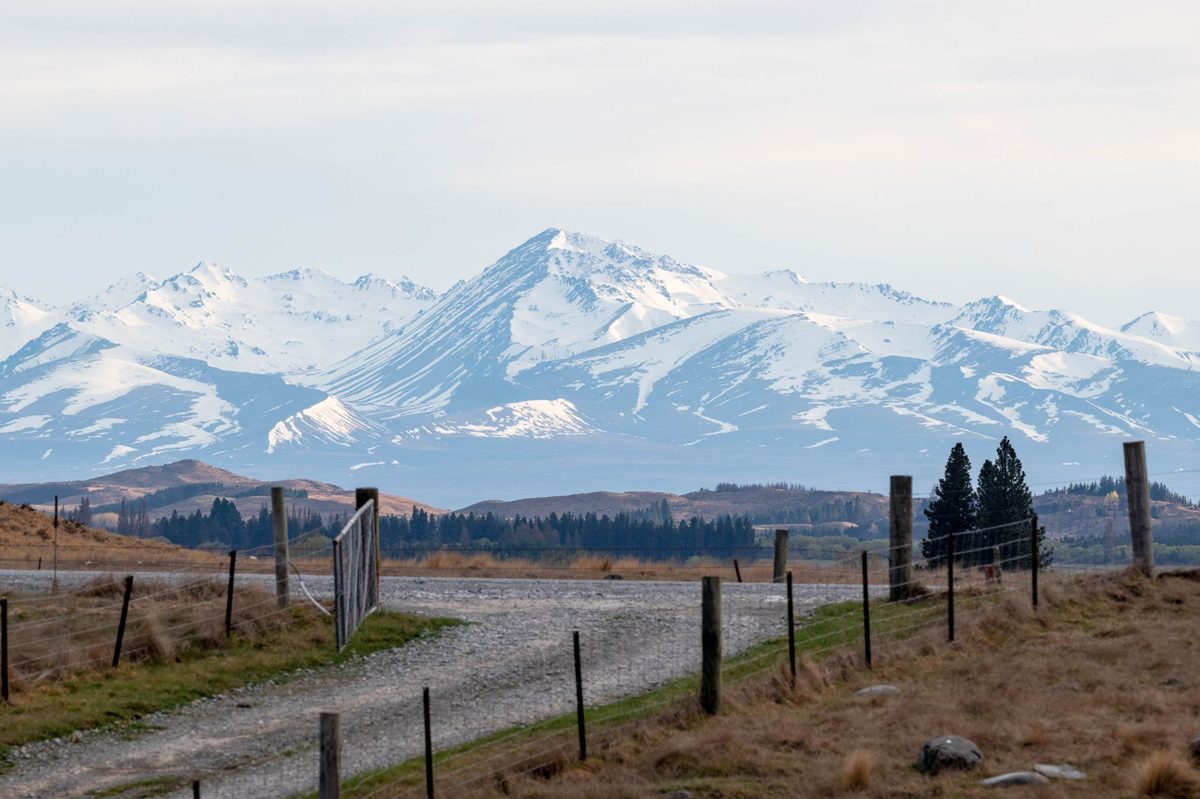
Winter in Taupo is cold. Temperatures run 2–11°C, overnight frosts are common, and it occasionally dips below -3°C. Snow falls on the surrounding mountains (Ruapehu, Ngauruhoe, Tongariro) but rarely in Taupo town itself. Days are short — sunrise around 7:30am, sunset by 5:15pm. Rain and fog show up more often. The lake never freezes (far too large and deep), but the water drops to 10–12°C — definitely not swimming weather. On the flip side, winter days can be crisp, clear, and stunning, especially with fresh snow on the volcanoes.
Crowds and Prices
Winter is the quietest and cheapest time to visit (with the exception of the July school holidays). Dorms drop to their lowest — NZ$22–30 a night. You’ll have your pick of beds and rooms. Some smaller or seasonal businesses close or cut hours, but the main attractions, hostels, and restaurants stay open. The one exception is ski-season weekends (late June through September), when Taupo fills with skiers heading to Whakapapa and Turoa on Mount Ruapehu — book ahead for those.
Activities Available
The Tongariro Alpine Crossing becomes a serious alpine expedition in winter — crampons, ice axe, warm technical clothing, and ideally a guide. It’s not for casual backpackers without alpine experience; people have died attempting it in winter conditions. The track isn’t closed, but DOC strongly recommends guided trips only. Most other activities carry on year-round: Huka Falls (free), Spa Thermal Park hot springs (arguably better in winter when the air is cold), Craters of the Moon, Orakei Korako, skydiving (weather permitting), and jet boating. The hot springs are genuinely magical on a frosty morning. Skiing at Whakapapa or Turoa (about 1–1.5 hours away) adds a whole different dimension to a winter trip.
Best For
Budget-focused backpackers who don’t need the Tongariro Crossing and don’t mind the cold. Skiers and snowboarders using Taupo as a base for Mount Ruapehu. Anyone who loves hot springs on cold days. Winter also suits long-term travellers and working-holiday folk who want the cheapest possible bed while they figure out their next move. If a big alpine day is on the cards, read our Taupo backpacker safety guide first.
Spring: September to November
Weather
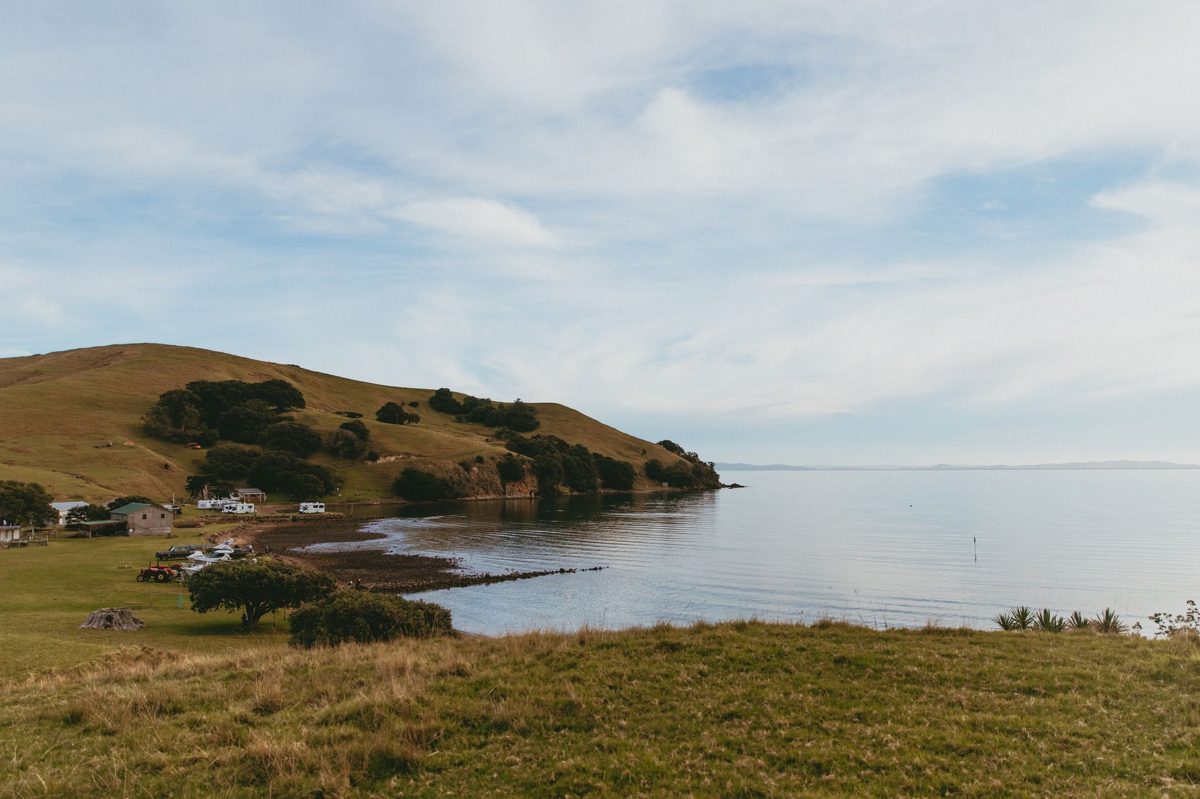
Spring climbs from 6–14°C in September to 10–19°C by November. The days stretch out — by November you get daylight from 6am to 8:30pm. Spring is the wettest season here, with rainfall around 90–120mm a month. Expect showery days broken up by clear, sunny ones. The unpredictability is the main catch — you might plan a hike for a blue-sky forecast and wake to driving rain. Layers and waterproof gear are essential.
Crowds and Prices
Crowds stay low through September and October, building slightly in November as summer nears. Prices are shoulder-season — lower than summer, a little above winter (dorms NZ$26–35). Booking a day or two ahead is usually enough. November is a particularly good month: warm enough for most activities, not yet at summer pricing, and still uncrowded.
Activities Available
The Tongariro Alpine Crossing typically reopens to unguided casual hikers around late October or November, depending on snow — always check with DOC before you plan. Most other activities run year-round. Lake swimming becomes viable again in late November as the water warms. Spring is a great time for bush walks — the native forest is alive with birdsong and new growth. Mountain-biking trails are generally in good shape unless there’s been heavy rain. For the wider menu of things to fill your days, see our guide to the best things to do in Lake Taupo.
Best For
Backpackers who want to dodge the crowds, get shoulder-season prices, and don’t mind a bit of rain. November is the standout — sliding into summer conditions while staying uncrowded and affordable. Spring is also excellent for nature lovers and birdwatchers, with the bush at its most vibrant.
Month-by-Month Summary
Here’s a quick reference for every month of the year in Taupo:
January: Peak summer. Hot and busy. Best weather for swimming and water sports. Book everything ahead. Expensive. Temperature: 14–26°C.
February: Still peak summer but a shade quieter than January. Excellent all-round. Temperature: 14–25°C.
March: The sweet spot for most backpackers. Summer weather, thinning crowds, dropping prices. Temperature: 12–23°C.
April: Warm autumn days, golden colour, good value. Tongariro Crossing usually still open. Temperature: 9–18°C.
May: Cool and quiet. Trout fishing heats up. Some water activities scale back. Temperature: 6–14°C.
June: Winter begins. Cold mornings, cheapest beds. Ski season starts on Ruapehu. Temperature: 4–11°C.
July: Coldest month. School holidays bring a brief crowd surge. Hot springs at their most magical. Temperature: 2–10°C.
August: Still winter but days start lengthening. Last of the ski season. Very quiet in town. Temperature: 3–11°C.
September: Early spring. Warming slowly. Wet. Low crowds, low prices. Temperature: 5–13°C.
October: Spring warmth building. Bush coming alive. Tongariro may reopen late in the month. Temperature: 7–16°C.
November: Excellent shoulder month. Warm, uncrowded, affordable. Lake swimming starts. Temperature: 9–18°C.
December: Summer begins. Crowds build toward Christmas. Prices climb. Everything open. Temperature: 12–22°C.
When to Visit for Specific Activities
Tongariro Alpine Crossing: November to April (snow-free, no special gear). March and April are quieter than summer. Check DOC conditions before you go.
Lake swimming and water sports: December to March. Water temperatures peak in February around 20–21°C.
Trout fishing: Year-round, but the spawning runs make April through September especially exciting on the rivers. Lake trolling is best November through April.
Hot springs: Year-round, but winter (June–August) is when the free natural springs at Spa Park feel most magical — soaking in steaming water while frost coats the grass.
Skydiving: Year-round (weather permitting), but summer and autumn give the clearest skies and best visibility. Wind can ground jumps in any season.
Skiing: Late June to early October at Whakapapa and Turoa on Mount Ruapehu, about 1–1.5 hours from Taupo.
Mountain biking: Year-round, but trails get muddy in winter and spring. Summer and autumn are the best conditions. For the full list of adventures, see our Taupo adventure activities guide.
Special Events and Dates to Know
New Year’s Eve (December 31): Taupo hosts lakefront celebrations. Very busy — book accommodation well ahead.
Taupo Ironman (early March): One of the biggest sporting events in New Zealand. The town fills and prices spike for the event weekend. Book months ahead or steer clear of that weekend if you’re on a budget.
Lake Taupo Cycle Challenge (November): Another big draw that pulls in thousands. Great atmosphere if you enjoy cycling culture, but book accommodation early. The Love Taupo events calendar is the best place to confirm dates before you commit.
School holidays: New Zealand school holidays (mid-December to late January, two weeks around Easter, two weeks in July, two weeks in October) bring domestic tourists and families. Prices rise and availability tightens. Check the Ministry of Education term dates for the exact windows.
Packing Differently by Season
What you pack for Lake Taupo depends entirely on when you visit, and getting it right can make or break the trip. New Zealand weather is notoriously changeable, and Taupo sits at 356 metres above sea level, so temperatures run a few degrees cooler than coastal towns like Auckland or Tauranga.
Summer visitors should prioritise lightweight, breathable clothing. Pack quick-dry shorts, t-shirts, and a swimsuit — you’ll use it almost daily. SPF 50+ sunscreen is non-negotiable; New Zealand’s UV index regularly tops 12 in peak summer thanks to the thin ozone layer over the Southern Hemisphere. A wide-brimmed hat and decent sunglasses fend off the intense rays. Days are warm but lakeside evenings cool right down, so bring a light fleece or hoodie. Jandals are perfect for hostel showers and lake beaches, but pack proper hiking shoes for the Tongariro Crossing or any bush walk. A reusable water bottle is essential — Taupo’s tap water is clean and safe.
Autumn visitors should layer up: a thermal base, a mid-layer fleece, and a waterproof shell. Temperatures can swing from a pleasant 18°C by day to 5°C at night, so versatile layering is your best friend. A compact rain jacket takes almost no pack space and earns its keep in the frequent April and May showers. Bring a warm beanie and gloves for early-morning hikes. Closed-toe waterproof boots beat sandals this season, especially on muddy trails after rain.
Winter visitors need serious thermal layers — merino base layers are a New Zealand specialty and worth the spend. A proper down jacket or insulated puffer is essential, along with waterproof outers. Planning to hit Whakapapa or Turoa? Hire ski gear locally rather than lugging it in your pack. Warm socks, a scarf, and a good beanie are daily necessities. Many hostels have heated common areas, but dorms can be chilly, so a sleeping bag liner adds welcome warmth to hostel bedding.
Spring visitors should pack for four seasons in a day — a frosty start, a beautiful midday, an afternoon shower, and a clear sunset to finish. A layering system like autumn’s works well, but add a packable sun hat for those increasingly warm October and November days. Waterproof gear stays important with spring’s regular rain. For the full gear checklist, see our Lake Taupo packing list.
Budget Impact by Season
Your travel budget stretches a lot further depending on when you visit. Understanding the seasonal pricing patterns helps you get more from your funds — and can add days or even weeks to a trip.
Accommodation costs swing hard between peak and off-peak. A dorm bed at NZ$30–35 in January might drop to NZ$22–25 in June or July. Private rooms follow suit, with summer rates often 30–40% above winter. Booking platforms like Hostelworld and Booking.com reflect these shifts, so comparing prices across months before you commit can save you hundreds over a multi-week trip.
Activity pricing also moves with the season. Plenty of adventure operators run shoulder-season discounts of 10–20% to pull in visitors during quieter months. Skydiving, bungy, and jet boating are all year-round but often promote in autumn and spring. Some operators bundle activities at reduced rates in winter to keep the wheels turning. The trout fishing season runs October to June, and guided trips tend to be cheaper in the shoulder months than at peak summer.
Transport costs stay fairly stable year-round, though booking InterCity buses ahead in off-peak periods yields solid savings. Rental campervans — a backpacker favourite — are much cheaper outside the December–February peak, with daily rates sometimes halving from NZ$150-plus to NZ$70–80 in winter. If your dates are flexible, shifting the trip a few weeks into shoulder season can free up budget for extra experiences. To line up conditions with your dates, cross-check our month-by-month Taupo weather guide as you plan.
Frequently Asked Questions
What is the cheapest time to visit Lake Taupo?
Winter (June–August), excluding the July school holidays, has the lowest prices and fewest crowds — dorms can drop to NZ$22–28 a night. The trade-off is missing the Tongariro Alpine Crossing and lake swimming. For warm weather at reduced prices, March–April and November are the best value.
Can I visit Lake Taupo in winter?
Absolutely. Taupo doesn’t shut down in winter. Most activities run year-round (Huka Falls, hot springs, geothermal parks, skydiving, jet boating), and the town has a cosy charm with fewer tourists. The main things you miss are the Tongariro Crossing (unless you’ve got alpine gear and experience) and lake swimming. Skiing at Mount Ruapehu is the winter bonus.
When is the best weather in Taupo?
January and February bring the warmest, most settled weather, with average highs of 24–26°C. That said, New Zealand weather is inherently unpredictable — you can get a perfect sunny day in July or a grey, wet one in January. Statistically, February is the driest month with the most sunshine hours.
How far ahead should I book for summer?
For peak summer (late December–February), book hostel beds one to two weeks ahead, Tongariro shuttles three to seven days ahead, and popular activities (skydiving, guided kayaking) two to three days ahead. For the Christmas/New Year window, book accommodation several weeks out. In shoulder and off seasons, a day or two ahead is usually fine.
Is Lake Taupo worth visiting in the shoulder season?
The shoulder seasons (March–May and September–November) are arguably the best time for backpackers. You get much lower prices, thinner crowds, and most activities still running. March offers near-summer weather at autumn prices, while November delivers increasingly warm days before the summer rush. The only real trade-off is slightly less predictable weather and cooler lake temperatures.
What should I wear in Taupo in winter?
Winter here calls for proper layering: merino or thermal base layers, a warm mid-layer like a fleece or down jacket, and a waterproof shell on top. Warm socks, a beanie, and gloves are essential for mornings that can drop below freezing. Heading to the hot springs? Bring togs and a towel — the contrast between hot water and cold air is half the fun.
Final Thoughts
The best time to visit Lake Taupo for backpackers comes down to your priorities, but March stands out overall — warm weather, fewer crowds, lower prices, and nearly everything still running. November is the top spring option, and January–February are unbeatable for water activities if you can wear the higher prices and bigger crowds. Even winter has genuine appeal if you want the cheapest possible trip and don’t need the Tongariro Crossing. Whenever you land, Taupo delivers — it’s one of those rare places that rewards travellers in every season. Back to the main guide: our Lake Taupo trip planning guide pulls the whole plan together.
2 comments