Taupo sits on one of the most volcanically active spots on Earth, and that’s brilliant news for your wallet. Beneath New Zealand’s largest lake lies a supervolcano caldera, and the heat it throws off has built a landscape of steaming vents, bubbling mud, mineral terraces, and naturally hot springs you can soak in for free. I’ve spent a fair few damp winter mornings out here with a towel over my shoulder, and I still think the geothermal attractions in Taupo are the best-value volcanic sightseeing in the country. This guide covers every site worth your time, with real 2026 prices and the honest verdict on which ones to skip.
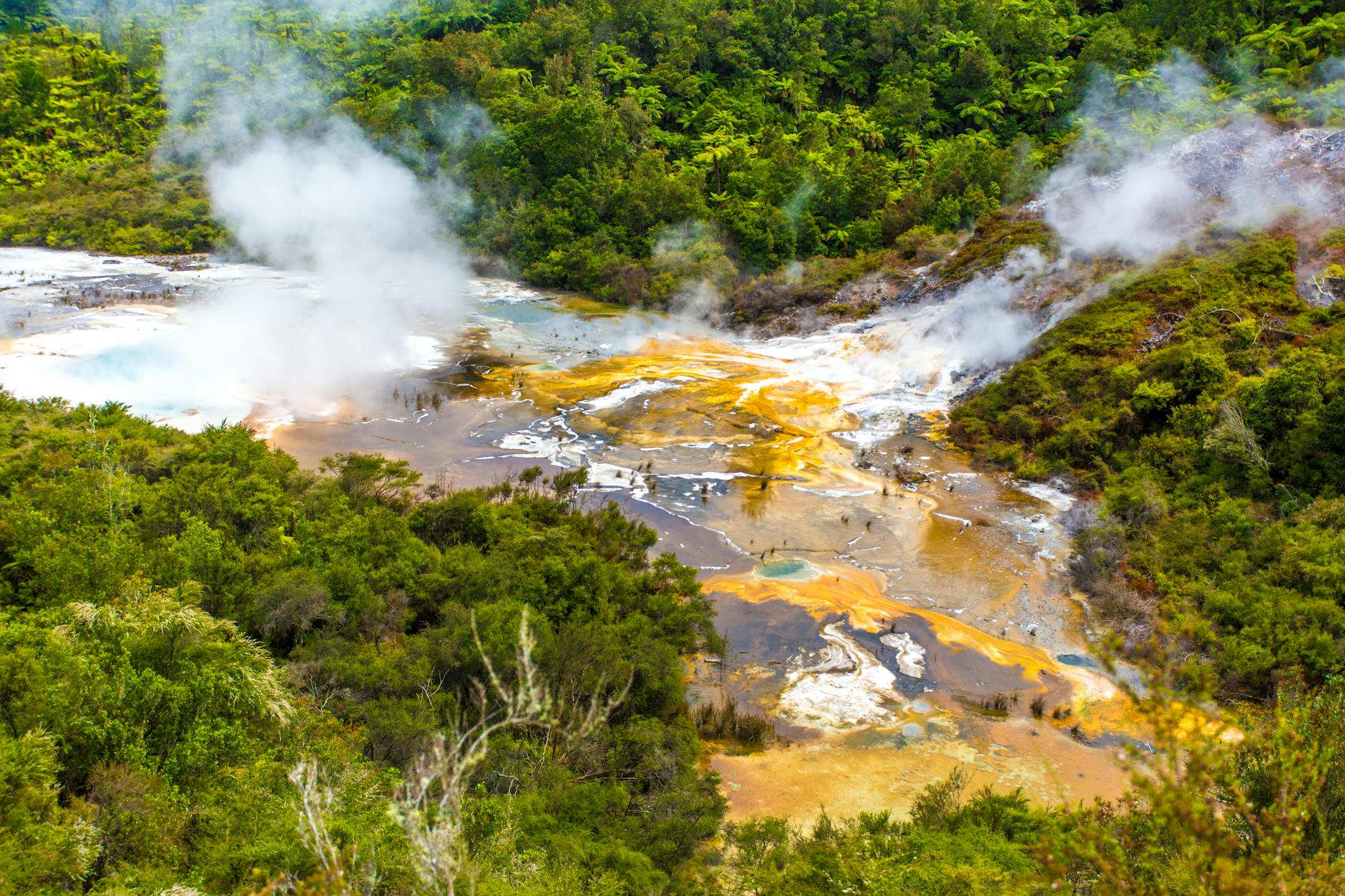
Taupo sits inside the Taupo Volcanic Zone, a 350-kilometre belt of activity running from Mount Ruapehu up to White Island, so thermal features are practically everywhere. You can soak in free hot springs under the stars, walk through a steaming moonscape, or wander one of New Zealand’s finest thermal parks, all within about 30 minutes of town. And unlike the heavily commercialised setups in Rotorua, a lot of Taupo’s best thermal experiences cost nothing at all. If you’re still mapping out your trip, our guide to the best things to do in Lake Taupo puts these geothermal sites in context alongside everything else on offer.
Understanding Taupo’s Volcanic and Geothermal System
Knowing a little about what’s happening underground makes every steaming crater more interesting. Lake Taupo fills a roughly 35-kilometre-wide caldera, a massive crater left by catastrophic eruptions. The Taupo Volcano is classified as a supervolcano, the most frequently active and productive rhyolite caldera in the world.
The big one, the Oruanui eruption around 25,500 years ago, was the largest known eruption on Earth in the past 70,000 years, rated VEI 8 on the Volcanic Explosivity Index. A more recent event around 232 CE, the Taupo eruption, was one of the most violent in the past 5,000 years and shaped much of what you see today. Its pyroclastic flows flattened roughly 20,000 square kilometres. If that history grabs you, the deeper story sits in our guide to the region’s Maori culture and volcanic heritage.
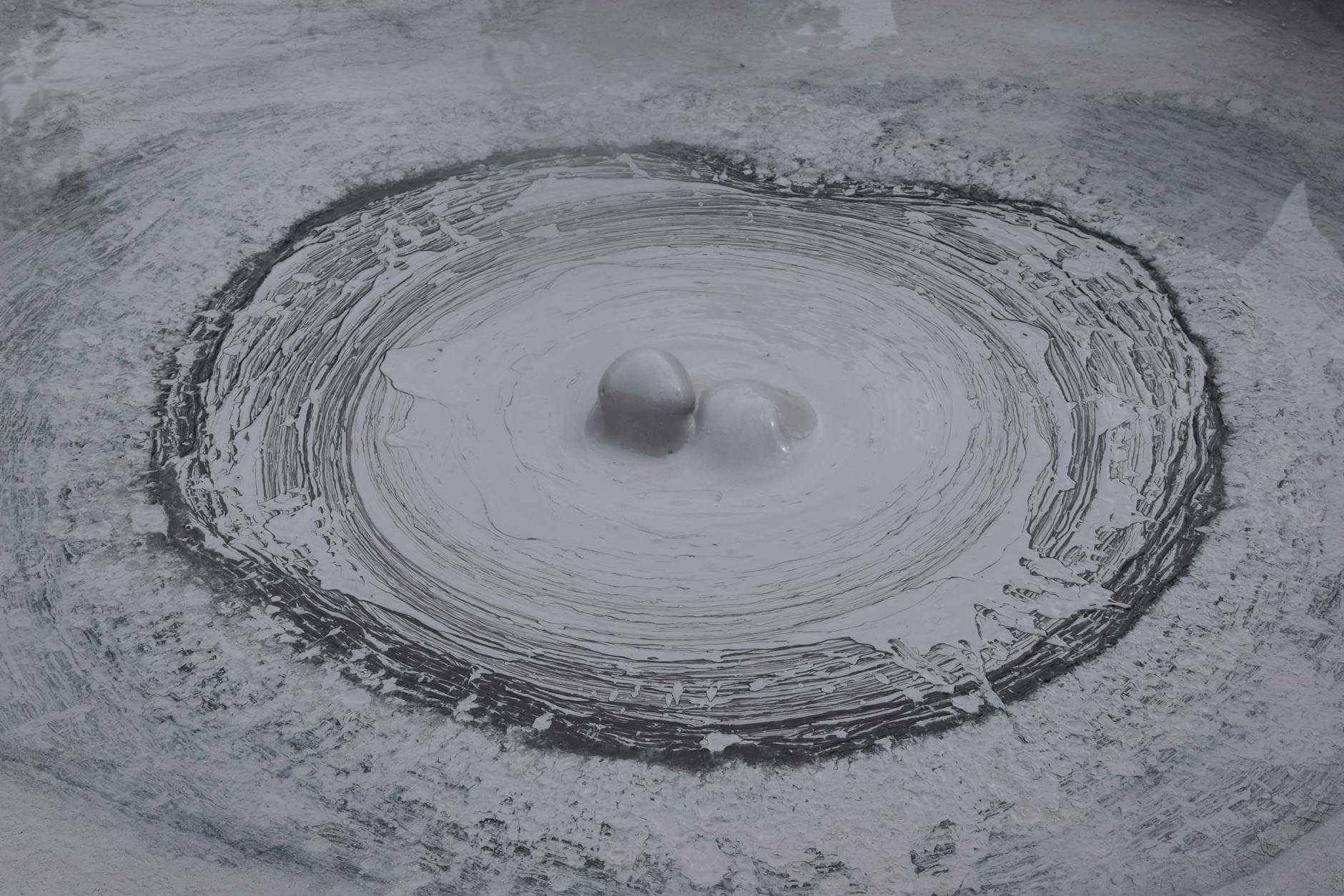
Today, heat from the magma chamber a few kilometres down superheats groundwater, which rises through cracks to create the features on the surface: hot springs, geysers, fumaroles (steam vents), mud pools, and silica terraces. The Wairakei Geothermal Field north of Taupo is one of the country’s most productive, and it also powers the Wairakei Power Station, one of the world’s first geothermal plants, running since 1958. You can read the New Zealand government’s take on the wider Taupo Volcanic Zone if you want the full geological picture.
Free Hot Springs in Taupo
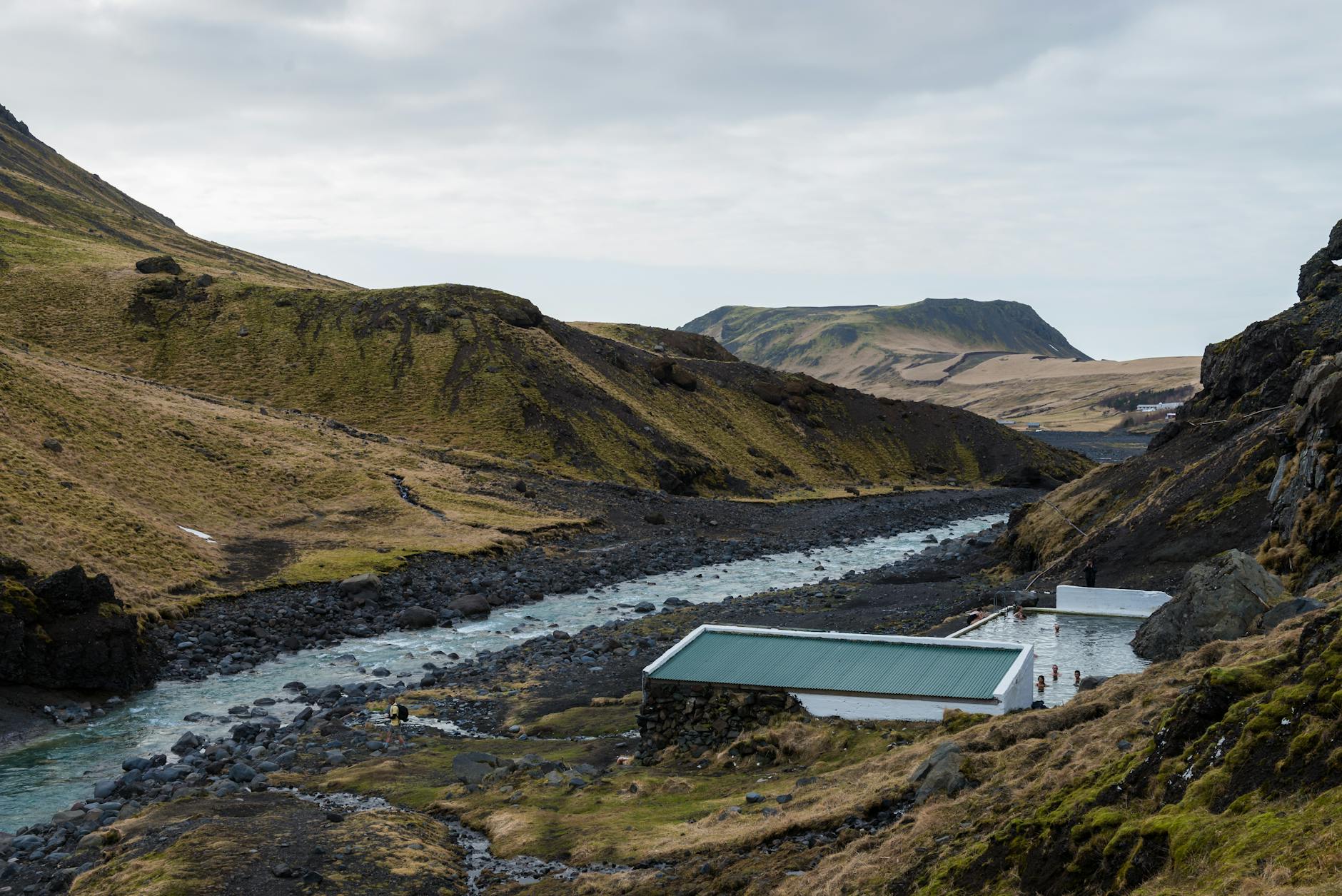
Here’s the part backpackers love: some of the most magical geothermal experiences in Taupo cost nothing. The town’s natural hot springs let you soak in thermally heated water surrounded by native bush without spending a cent.
Spa Thermal Park and Otumuheke Stream
Spa Thermal Park is Taupo’s worst-kept open secret and the number-one free geothermal experience in the region. It’s five minutes north of the town centre off Spa Road, where hot water from the Otumuheke Stream tumbles into the cool Waikato River, creating pools at just about the perfect soaking temperature.
It’s genuinely special. You walk about 500 metres from the car park through native bush, following a boardwalk and riverside track down to where the hot and cold streams meet. You find your ideal temperature by shifting closer to or further from the hot outlet. On a cold morning or after dark, steam pours off the water and the whole place feels like a spa that nobody’s charging you for.
Practical details for Spa Thermal Park: Access is free, gates open 7am to 8pm daily. From the centre, head north on Tongariro Street, take the second exit at the roundabout onto Spa Road, continue 1.8 kilometres, then turn left into Spa Thermal Park. The car park is 650 metres down the road. There are changing rooms, toilets, and a coffee kiosk. The walk to the pools takes 5 to 10 minutes on a well-kept track. Bring a towel and water shoes, because the river rocks are slippery. Go early morning or at dusk for fewer people and better steam.
Taharepa Reserve Hot Springs
Taharepa Reserve, on the lakefront near Two Mile Bay, is another freebie. Geothermal activity warms the sand and shallow water along the shore, and the fun here is digging into the warm sand to build your own little hot pool. Kids love it. You’ll feel the heat just metres from the parking area, and there are steaming patches along the walkway. It’s less dramatic than Spa Thermal Park, but it’s quick, easy, and right on the lake.
Hot Water Beach at Waihi (Acacia Bay Area)
Fewer visitors know about the spots along the western shore near Acacia Bay where geothermal heat warms the lake edge. Locals know where the warm patches are. Ask at your hostel for current conditions, since these shift with lake levels and the seasons. They reward anyone willing to poke around beyond the obvious stops.
Craters of the Moon Geothermal Walkway
Craters of the Moon is Taupo’s most accessible paid walkway, an otherworldly stretch of steaming vents, bubbling craters, and heat-loving plants. It’s in the Wairakei Geothermal Field just north of town, and the 40-minute loop really does feel like walking on another planet.
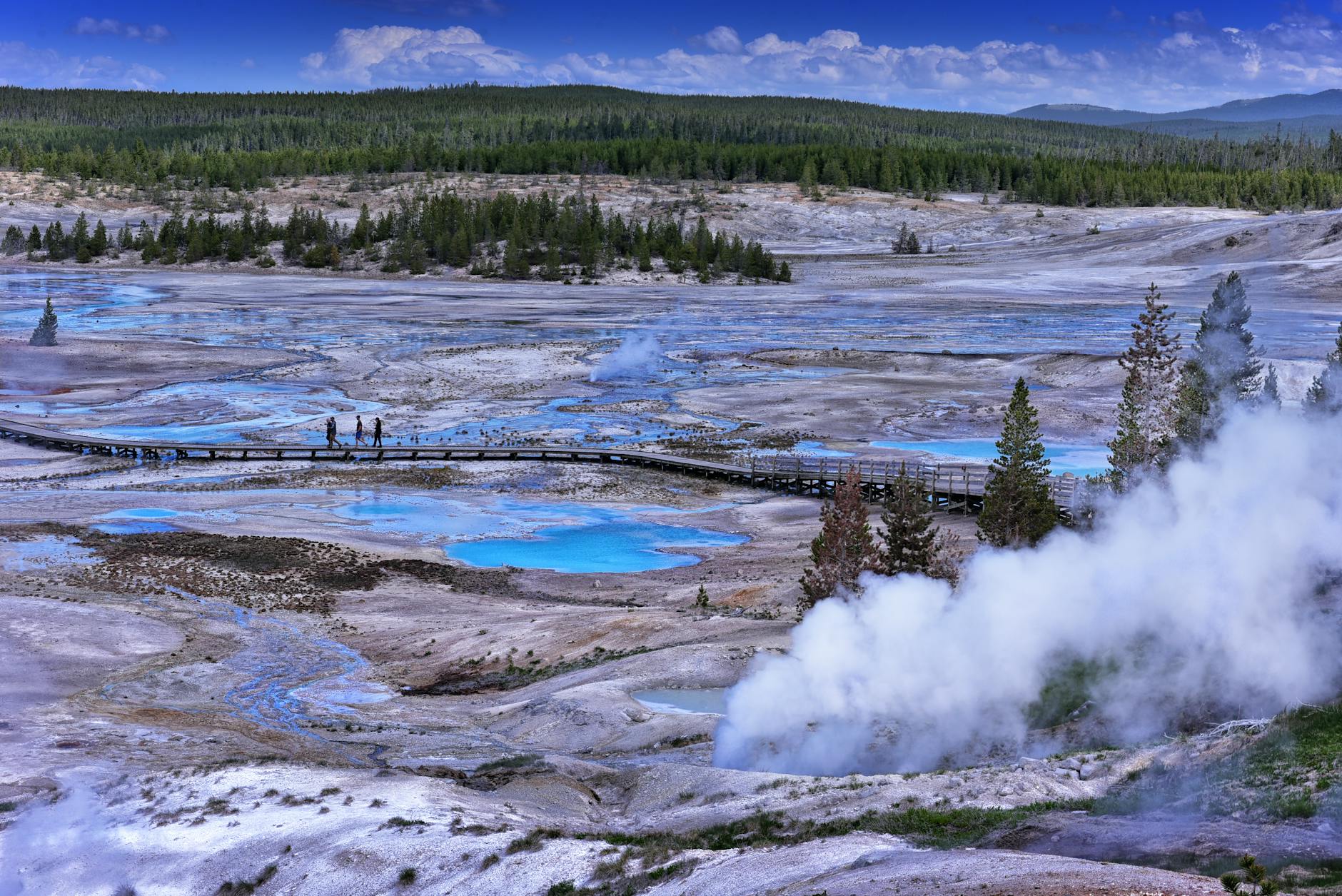
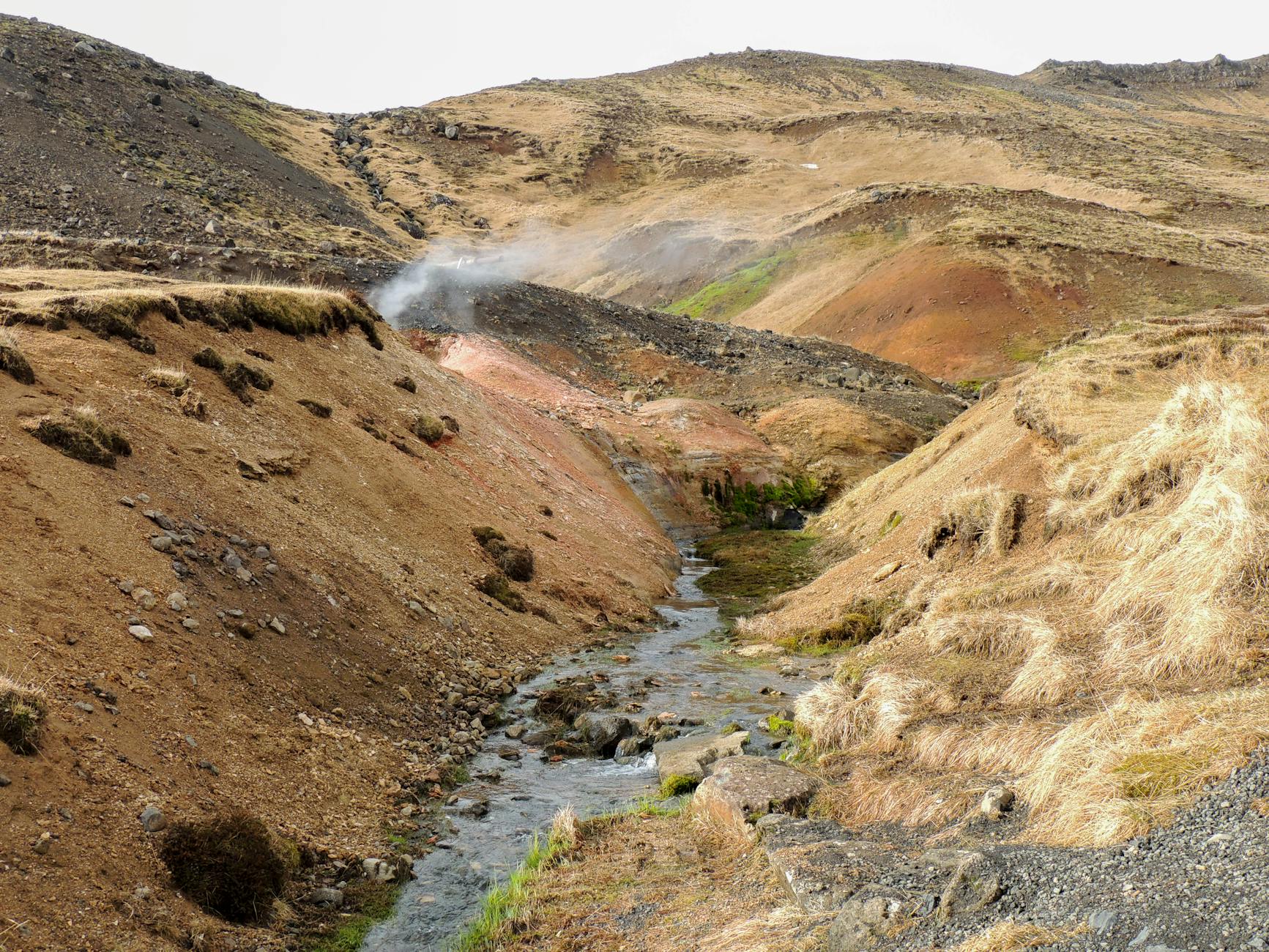
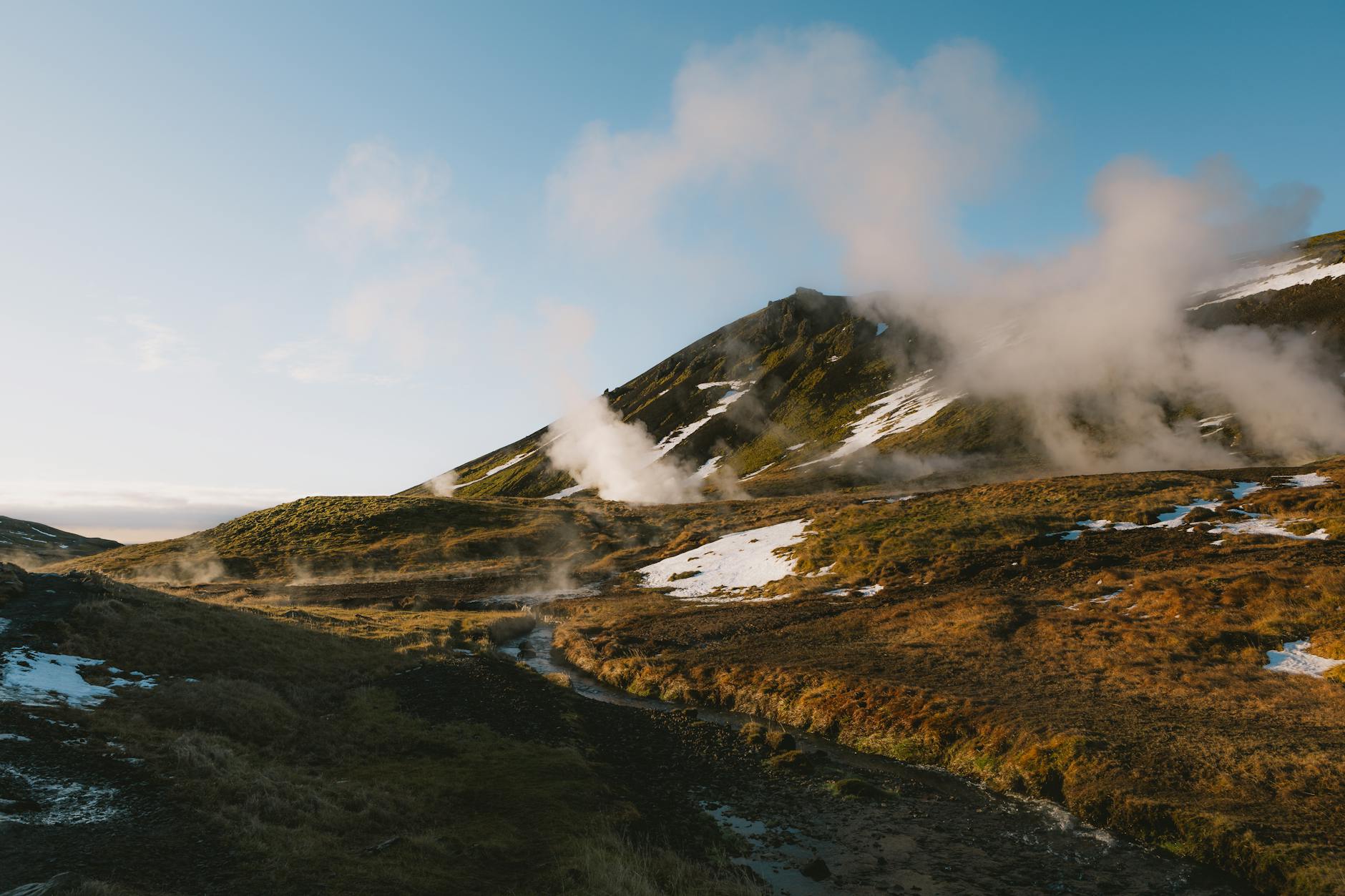
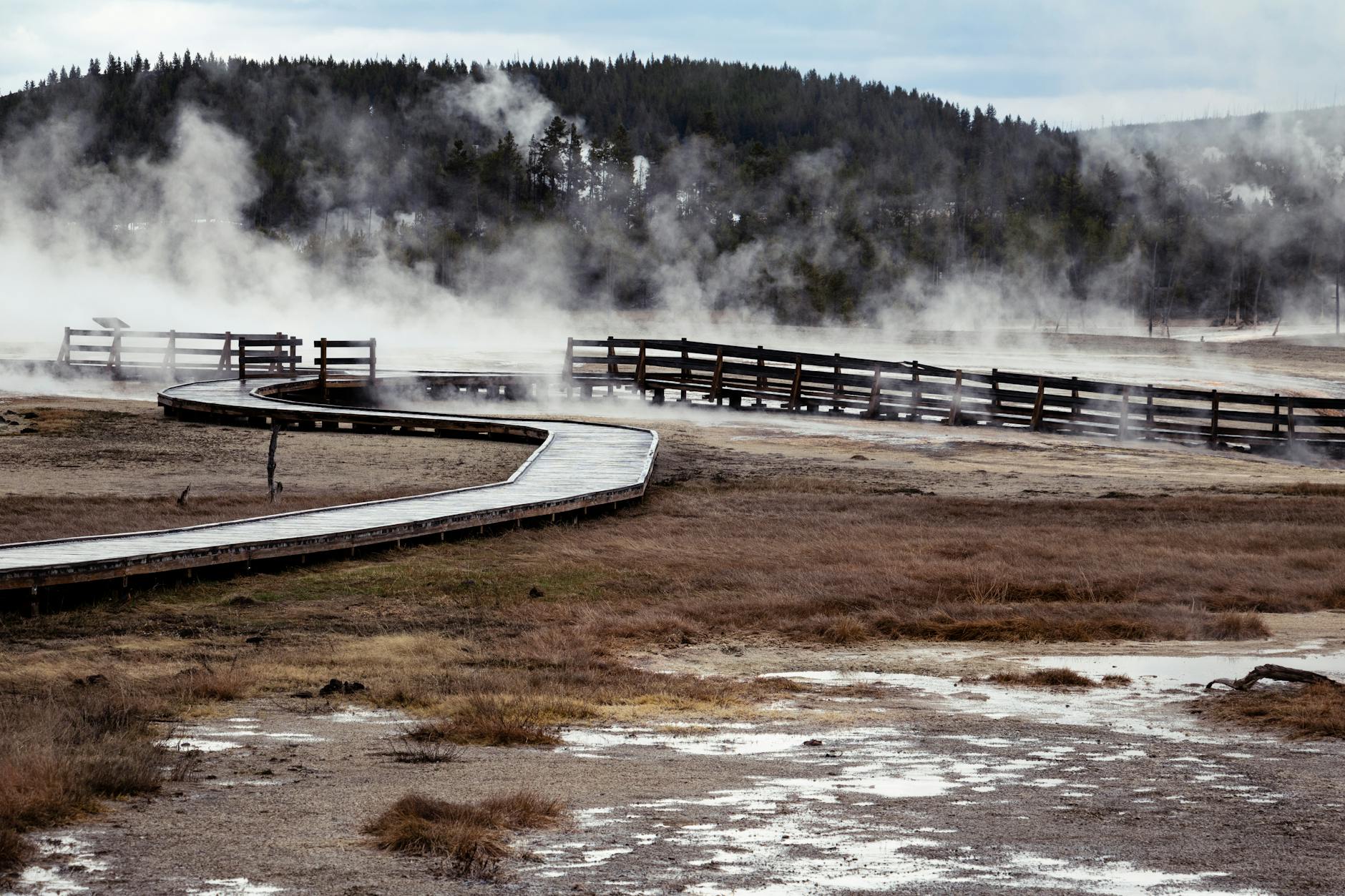
The name fits. Steam hisses from cracks, mud burbles in craters, and the ground is warm under the boardwalks. The field is constantly changing, with new vents opening and old ones closing as the underground activity shifts. Fumaroles blast steam, collapsed craters show off colourful mineral deposits, and there’s that unmistakable sulphur smell in the air.
Here’s a detail I like: this area wasn’t always so lively. Surface activity ramped up after the nearby Wairakei Power Station started drawing geothermal steam in the late 1950s, which lowered the underground water table and let steam escape more freely. The landscape keeps evolving, so every visit is slightly different.
Visiting Craters of the Moon: Entry is $10 per person, with proceeds going to a charitable trust that maintains the boardwalks. Open daily 8:30am to 5:30pm, last entry 4:30pm, tickets at the kiosk. The main loop takes about 45 minutes on a mix of fine gravel and boardwalk, fine for most fitness levels and manageable with strollers and wheelchairs on the main track. An extra 20-minute walk climbs to a lookout with panoramic views, though it has plenty of steps. It’s on Karapiti Road, a short drive north of Taupo off State Highway 1. Allow about an hour all up. You can confirm current hours and pricing on the official Love Taupo listing before you go. If you enjoy this kind of terrain, our Lake Taupo hiking and walks guide covers more trails that pass through geothermal country.
Orakei Korako: Taupo’s Premier Geothermal Park
If you visit only one paid geothermal park near Taupo, make it Orakei Korako. Known as “The Hidden Valley,” it’s been called by Lonely Planet “arguably the best geothermal area left in New Zealand,” and it lives up to that. It’s the priciest thermal experience near town, but the scale and quality earn every dollar.
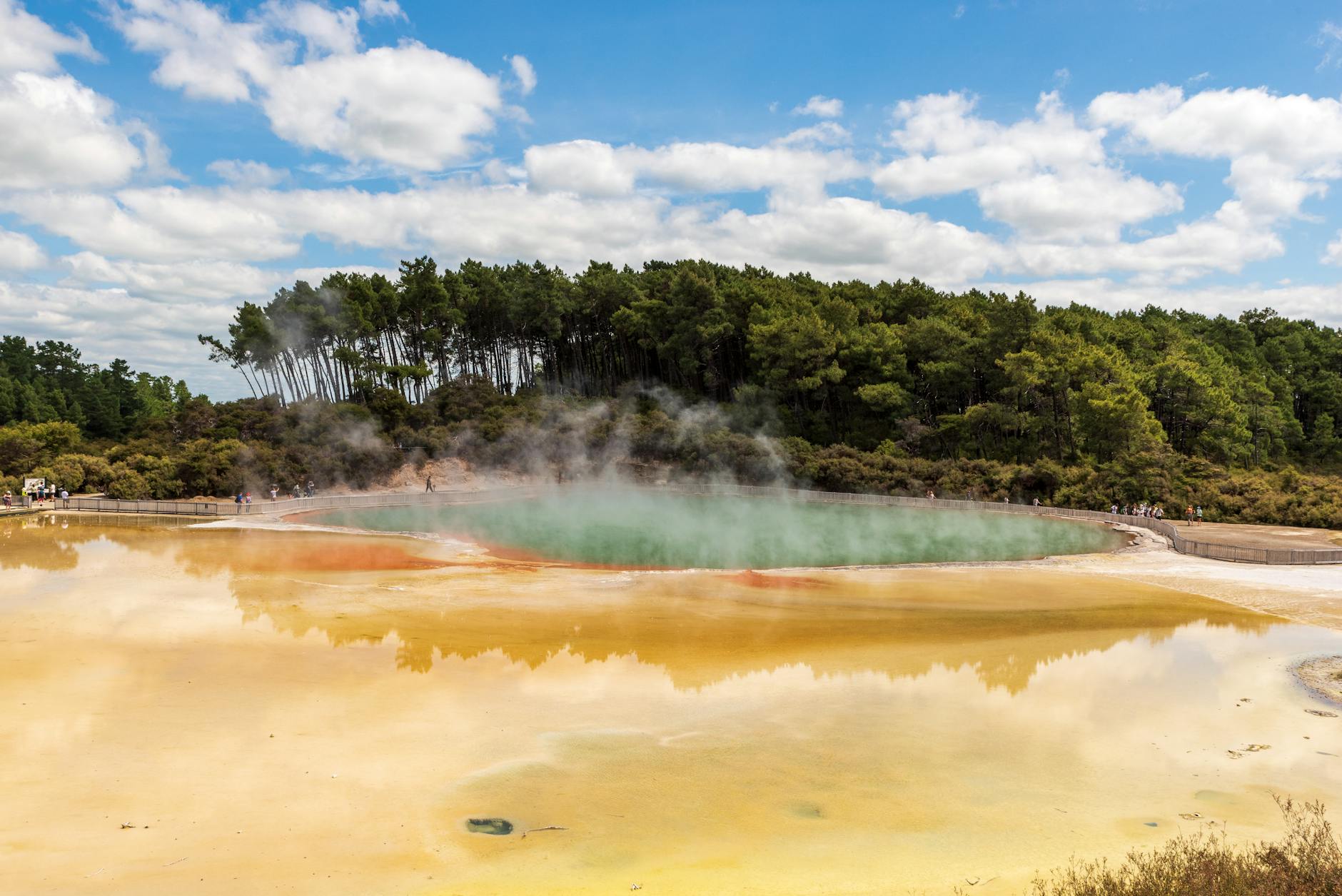
The visit starts with a short boat ride across Lake Ohakuri on the Waikato River to reach the valley, which adds a real sense of arriving somewhere hidden. Once across, trails wind through a hillside of active geysers, steaming silica terraces, gemstone-coloured pools, and bubbling mud. Orakei Korako has up to 23 active natural geysers, the most of any geothermal park in New Zealand.
The silica terraces are among the largest and most spectacular anywhere. The vivid emerald, sapphire, and gold come from different minerals and heat-loving organisms living in the superheated water. One highlight is Ruatapu Cave, New Zealand’s only known geothermal cave, with a jade-green warm pool inside a natural cavern. The name Orakei Korako translates roughly to “The Place of Adorning,” a nod to Maori who once used the mineral-rich waters here to decorate themselves.
Visiting Orakei Korako: Adults $57, children (16 and under) $24, family passes (2 adults plus 2 or more children) $144, under-6s free. The boat ride both ways is included. Open daily from 8am, last boat out 4pm and back 5pm, closed Christmas Day. Boats leave on demand, so there’s no timetable to stress about. It’s about 25 minutes north of Taupo on Orakei Korako Road, signposted from State Highway 5 between Taupo and Rotorua. Allow 1.5 to 2 hours, and expect some hills and steps. There’s a café at the visitor centre. Because it sits between the two towns, it also slots neatly into our day trips from Taupo lineup.
Wairakei Natural Thermal Valley
For something quieter and more intimate, Wairakei Natural Thermal Valley is a lovely alternative to the big attractions. It’s about 10 minutes north of Taupo along the Thermal Explorer Highway, a family-run spot that pairs natural geothermal features with a relaxed feel a lot of visitors prefer to the busier parks.
The 1.8-kilometre thermal walk follows the steaming banks of the Wairakei Stream past mud pools, silica formations, and the “Champagne Cauldron,” a big, vigorously bubbling pool. Rare native plants thrive in the geothermally heated soil, and there’s plenty of birdlife along the way.
A highlight, especially for families, is the thermal laser guns they hand out, which turn the walk into a hot treasure hunt as you check the temperature of the ground and vents. Afterwards, the on-site café does home-style baking and Devonshire teas. The valley also has camping and cabins if you want to linger.
Visiting Wairakei Thermal Valley: Open daily 10am to 4pm, on the Thermal Explorer Highway (State Highway 5) about 10 minutes north of Taupo. The walk takes 45 minutes to an hour at an easy pace on a mostly flat, well-kept track. Call them on 07 374 8004 for current pricing and camping.
Paid Hot Pools and Thermal Spas
When you want a polished soak with proper facilities, Taupo has several good paid hot pool complexes, from affordable public pools to premium spas, all fed by the region’s geothermal heat.
Taupo DeBretts Hot Springs
Taupo DeBretts is the region’s most established hot springs complex, a full thermal bathing experience in landscaped resort grounds. It’s on Napier-Taupo Highway just south of the centre, and it’s been running since the 1880s when European settlers first developed the natural springs on the site.
There are two large outdoor pools and twelve indoor mineral pools at a range of temperatures, so you can dial in your comfort level. The mineral-rich water sits between 36°C and 42°C and is reckoned to help with skin and joints. For families there’s a warm-water playground and water slides (slides cost an extra $8 for children). Private thermal pools are available if you want more exclusivity.
DeBretts pricing and details: Adult entry is around $24 NZD, with multi-day passes and memberships that pay off for longer stays. Open 365 days a year. There’s camping and accommodation on site too, which makes it a handy base if you want thermal pools on your doorstep, and staying guests get discounted pool entry. Facilities include changing rooms, lockers, and a café. It’s also a solid rainy-day backup, and you’ll find more of those in our roundup of the top things to do around Lake Taupo.
Wairakei Terraces and Thermal Health Spa
Wairakei Terraces is the calmer, adults-only option, set among silica terraces built up over centuries of mineral-rich water flowing across the landscape. It’s in the Wairakei Geothermal Field about five minutes north of Taupo, combining natural hot pools with a health-spa atmosphere.

Multiple pools sit at different temperatures in a natural setting, with the terraces themselves as the centrepiece: striking white and gold silica formations laid down over thousands of years. It’s peaceful and uncrowded compared to DeBretts. Note that entry is 14 and over only, so this is purely an adult soak.
Wairakei Terraces pricing and details: Entry is $27 per person (14+). Discounted deals sometimes pop up on GrabOne for around $17.50. Open Friday to Wednesday 8am to 9pm, Thursday 8am to 7pm. Massage treatments and wellness packages cost extra. It’s on the Thermal Explorer Highway, well signposted from State Highway 1.
Taupo Thermal Springs
Taupo Thermal Springs, on the lakefront near the town centre, is another geothermally heated option with indoor and outdoor pools at various temperatures and views across the lake. It’s handy if you’re staying central and just want a quick soak without leaving town. Check locally for current pricing and hours.
Taupo vs Rotorua: Comparing Geothermal Experiences
Plenty of backpackers passing through the central North Island wrestle with whether to base their geothermal exploring in Taupo or Rotorua. Both sit in the Taupo Volcanic Zone and both deliver, just differently.
Rotorua’s strengths: Rotorua is New Zealand’s geothermal capital, with a wider spread of big-name attractions including Wai-O-Tapu (Champagne Pool and Lady Knox Geyser), Te Puia (Pohutu Geyser and the New Zealand Maori Arts and Crafts Institute), Waimangu Volcanic Valley (the world’s youngest geothermal system), and Hell’s Gate (a rugged, highly active park). The whole city famously smells of sulphur, and the tourism infrastructure is well developed.
Taupo’s advantages: Taupo’s thermal sites are generally quieter, cheaper, and far more likely to be free. The Spa Thermal Park springs rival any paid facility for atmosphere, and Craters of the Moon at $10 is a fraction of what Rotorua’s big parks charge (typically $40 to $80). Taupo also gives you better access to Tongariro National Park, Huka Falls, and lake activities, which makes it a more rounded base. Weigh both against the wider list in our day trips from Taupo guide before you commit.
The bridge between both: Orakei Korako sits roughly halfway between Taupo (25 minutes) and Rotorua (45 minutes), and many rate it the best geothermal park in the region regardless of where you’re staying. If your budget only stretches to one premium thermal experience, this is the one. It’s less commercialised than Rotorua’s parks, more naturally impressive, and you never feel like just another face in a queue.
My recommendation: On a tight budget, base yourself in Taupo and hit the free Spa Thermal Park springs plus Craters of the Moon. If you can stretch a bit, add Orakei Korako. If you’ve got time and money for both towns, give Taupo 2 to 3 days covering the thermal sites along with Huka Falls and the Tongariro Alpine Crossing, then day-trip to Rotorua for one premium park like Wai-O-Tapu.
Geothermal Attractions on a Backpacker Budget
The best thing about Taupo’s thermal scene is how much you can do without spending much. Here’s how to squeeze the most geothermal magic out of the fewest dollars, and if you want the full financial picture, our daily costs and budget breakdown lays out exactly what a day here runs.
Free experiences: Spa Thermal Park / Otumuheke Stream is a must, one of the best things you can do in Taupo at any price. Go early or at dusk for the atmosphere. Taharepa Reserve on the lakefront is another free spot to feel the earth’s heat. Walking the Waikato River between Spa Thermal Park and Huka Falls is free too, and passes steaming, geothermally active ground.
Under $15: Craters of the Moon at $10 is exceptional value, a genuine walk-on-another-planet experience for less than a café lunch. Budget about an hour.
Under $30: Taupo DeBretts at around $24 gets you multiple hot pools with proper facilities, great for a rainy day. Wairakei Terraces at $27 (or less with a deal) is the peaceful, adults-only choice.
Splurge-worthy: Orakei Korako at $57 per adult is the one paid experience worth saving for. Boat ride, active geysers, silica terraces, a geothermal cave, and an unspoilt setting add up to something genuinely world-class.
Backpacker budget day plan: Start with a free morning soak at Spa Thermal Park. Grab a cheap breakfast in town, then drive out to Craters of the Moon. In the afternoon, walk the free Huka Falls track, which runs through more geothermal terrain. Total cost: $10 plus fuel, and you’ll have seen three sides of Taupo’s thermal landscape. To slot this into a longer trip, our 3-day Lake Taupo itinerary shows how it all fits together.
How Taupo’s Geothermal Energy Powers the Region
Taupo’s geothermal resources aren’t just for tourists. They’ve been generating power since the 1950s. The Wairakei Power Station, online in 1958, was only the second geothermal station in the world (after Larderello in Italy). Today geothermal supplies a meaningful chunk of New Zealand’s renewable electricity.
The idea is simple: superheated steam is piped up to drive turbines. The Wairakei Geothermal Field, where Craters of the Moon sits, is one of the most productive. As mentioned, the extra surface activity at Craters of the Moon is directly tied to the station drawing steam, which lowered the water table and let more steam vent.
You’ll spot the evidence all over the Wairakei area: big silver pipes carrying steam across the landscape, cooling towers releasing plumes, and the low hum of the station audible from some walking tracks. If you’re into renewable energy or environmental science, the contrast between industrial use and untouched thermal features makes this corner especially interesting.
Safety Tips for Visiting Geothermal Areas
Geothermal areas are genuinely dangerous if you don’t respect them. Water in many features is at or above boiling, and the ground near vents can be unstable. Every year in New Zealand people are hurt, sometimes fatally, by wandering off marked paths. Follow these rules, and read our full safety tips for backpackers in Taupo before you head out.
Stay on marked paths and boardwalks at all times. The ground can look solid but be a thin crust over boiling water or superheated mud. This is the single most important rule. At Craters of the Moon, Orakei Korako, and the rest, the paths exist to keep you alive, so don’t step off for any photo.
Supervise children closely. Interesting features plus unfenced hazards make these areas risky for curious kids. Keep them within arm’s reach and make sure they understand the danger before you start.
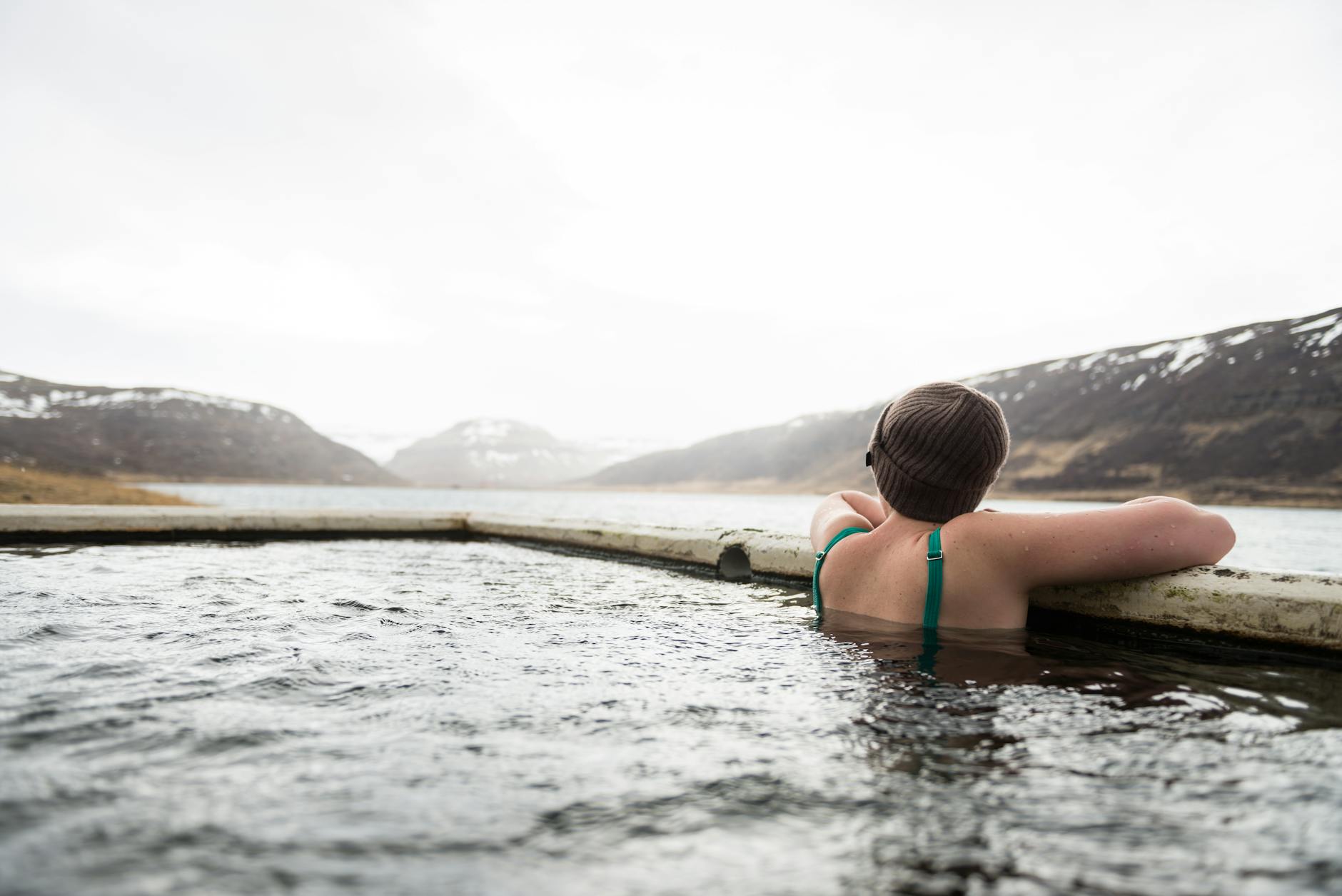
Test water temperature before entering. At free springs like Spa Thermal Park, temperature swings a lot with your position relative to the hot outlet. Get in slowly and move gradually. If it’s uncomfortably hot, shift toward the cooler river rather than deeper into the hot zone.
Protect your gear. Sulphur and mineral steam tarnish jewellery and can damage electronics over time. Leave valuable jewellery behind and keep cameras and phones in cases around heavy steam. The smell clings to clothing, so wear something you don’t mind going a bit funky.
Be aware of hydrogen sulphide gas. That rotten-egg smell is hydrogen sulphide. In low concentrations it’s just unpleasant, but in enclosed or low-lying spots it can build to dangerous levels. If you feel dizzy or nauseous, move to higher ground and fresh air immediately. It’s rarely an issue at developed sites, but worth knowing. For live conditions and any alerts before you travel, check MetService Taupo.
Best Time to Visit Taupo’s Geothermal Attractions
These are year-round experiences; the earth’s heat doesn’t take holidays. But the season and time of day change what you get. For a fuller seasonal breakdown, see our guide to the best time to visit Lake Taupo for backpackers.
Winter (June to August): Arguably the best time. Cold air makes steam far more dramatic, turning Craters of the Moon genuinely otherworldly. Hot springs feel more luxurious when it’s cold out, and a frosty morning at Spa Thermal Park is close to transcendent. Fewer tourists means shorter queues at the paid sites, too.
Summer (December to February): Warm weather makes midday soaks less appealing but evenings perfect. The walkways still impress, though steam is less visible in warm air. This is peak season, so arrive early at Orakei Korako and Craters of the Moon.
Early morning and dusk: Consistently the best times whatever the season. Cooler air makes features more dramatic, the light is lovely for photos, and crowds are thin. An early soak at Spa Thermal Park as the sun rises through the steam is one of Taupo’s real magic moments.
After rain: Rainfall can boost surface activity at some sites as extra water percolates into the heated systems. Craters of the Moon can be especially lively after heavy rain, and wet boardwalks add to the mood.
Getting Around Taupo’s Geothermal Attractions
Most of Taupo’s thermal sites are north of town along or near State Highway 1 and the Thermal Explorer Highway (State Highway 5). Your own wheels make hitting several in a day much easier, but they’re not essential. For all your options, our getting to and around Taupo transport guide has the full rundown.
By car: All the major sites are within 30 minutes of town. Spa Thermal Park is 5 minutes, Craters of the Moon about 10, Wairakei Terraces and Wairakei Natural Thermal Valley about 15, and Orakei Korako about 25. Most have free parking.
By bicycle: The flat terrain north of town along the river makes cycling a real option for Craters of the Moon and the Wairakei sites. The Huka Falls trail links several thermal areas and is a pleasant ride. Bike hire is available around town.
By bus or shuttle: Some tour operators and hostels run shuttles to the main sites. Ask at your accommodation. Orakei Korako turns up on some tour itineraries, though going independently gives you more flexibility.
On foot: Spa Thermal Park is walkable from central Taupo (about 30 minutes). For everything else, you’ll want transport.
Quick Reference: Taupo Geothermal Attractions at a Glance
Here’s a summary of everything covered, with the key details for planning:
| Attraction | Price (2026) | Hours | From town | Verdict |
|---|---|---|---|---|
| Spa Thermal Park (Otumuheke Stream) | Free | 7am–8pm | 5 min | Best free soak in Taupo |
| Taharepa Reserve | Free | Lakefront, anytime | 5 min | Quick, easy warm-sand stop |
| Craters of the Moon | $10 pp | 8:30am–5:30pm | 10 min | Best value paid walkway |
| Orakei Korako | $57 adult / $24 child | 8am–4pm (last boat) | 25 min | Top splurge, NZ’s best park |
| Wairakei Natural Thermal Valley | Call for pricing | 10am–4pm | 10 min | Quiet, family-friendly walk |
| Taupo DeBretts Hot Springs | ~$24 adult | Daily, all year | 5 min | Best all-round hot pools |
| Wairakei Terraces | $27 pp (14+) | Most days 8am–9pm | 15 min | Most peaceful, adults-only |
Plan Your Geothermal Adventure in Taupo
Taupo’s geothermal attractions offer something few places on Earth can match: a safe, accessible, often free way to feel the raw heat of the planet up close. From soaking in free springs under native canopy to walking a steaming moonscape to exploring one of the world’s finest thermal parks, it’s genuinely world-class stuff.
For backpackers, the mix of free and cheap options makes Taupo one of the best-value geothermal destinations in New Zealand. You can fill a whole day with volcanic landscapes and natural hot springs for as little as $10, which would cost many times more in Rotorua or at comparable places worldwide.
Whether it’s a quick stop or several days of thermal exploring, Taupo rewards you with memories that outlast the sulphur smell on your clothes. To tie the whole trip together, start with our Ultimate Backpacking Guide to Lake Taupo, and if you want a hot pool with a bed attached, our guide to where to stay in Taupo on a budget covers the hostels and camps with thermal access.
Frequently Asked Questions
Are there any free hot springs in Taupo?
Yes. Spa Thermal Park (Otumuheke Stream) is the standout, a free natural hot spring five minutes north of town where a geothermal stream meets the Waikato River. Gates are open 7am to 8pm. Taharepa Reserve on the lakefront is another free spot where you can dig into warm geothermal sand. Both cost nothing beyond a towel and water shoes.
How much does Craters of the Moon cost in 2026?
Entry is $10 per person, with proceeds going to the charitable trust that maintains the boardwalks. It’s open daily 8:30am to 5:30pm with last entry at 4:30pm. The main loop takes about 45 minutes, and an optional lookout adds around 20 minutes. It’s the best-value paid geothermal experience near Taupo.
Is Taupo or Rotorua better for geothermal attractions?
Rotorua has more big-name parks and a wider variety, but Taupo is cheaper, quieter, and has more free options. If your budget only allows one premium park, Orakei Korako (halfway between the two) is the strongest pick. Many backpackers base in Taupo for the free springs and Craters of the Moon, then day-trip to Rotorua for one paid park like Wai-O-Tapu.
Do I need a car to visit Taupo’s geothermal attractions?
It helps but isn’t essential. Spa Thermal Park is walkable from central Taupo (about 30 minutes), and you can cycle the flat river route to Craters of the Moon and the Wairakei sites. Some hostels and tour operators run shuttles. For Orakei Korako, 25 minutes north, a car or tour is the most practical way to get there.
Are Taupo’s geothermal areas safe to visit?
They are, as long as you stay on the marked paths and boardwalks. The water in many features is at or above boiling, and ground near vents can be a thin crust over superheated mud. Keep children within arm’s reach, don’t step off the track for photos, and move to fresh air if you ever feel dizzy from the hydrogen sulphide gas.
When is the best time to see the geothermal steam?
Winter mornings are ideal. Cold air makes the steam far more dramatic, especially at Craters of the Moon and Spa Thermal Park. Early morning and dusk are best year-round for visible steam, good light, and thin crowds. Activity can also increase after heavy rain as extra water feeds the heated underground system.
Guides in this series
- Taupo Geothermal Attractions on a Budget
- Craters of the Moon Taupo: What to Expect
- Taupo DeBretts Hot Springs: Review & Tips
- Free Hot Springs in Taupo: Spa Park & lesser-known spots
- Orakei Korako Geothermal Park: Complete Visitor Guide
- Hot Pools & Thermal Spas Near Taupo (Paid Options)
- Comparing Taupo vs Rotorua Geothermal Attractions
- Geothermal Science: How Taupo’s Volcanic System Works
- Wairakei Terraces: Hot Pools & Thermal Walk
- Wairakei Natural Thermal Valley Guide