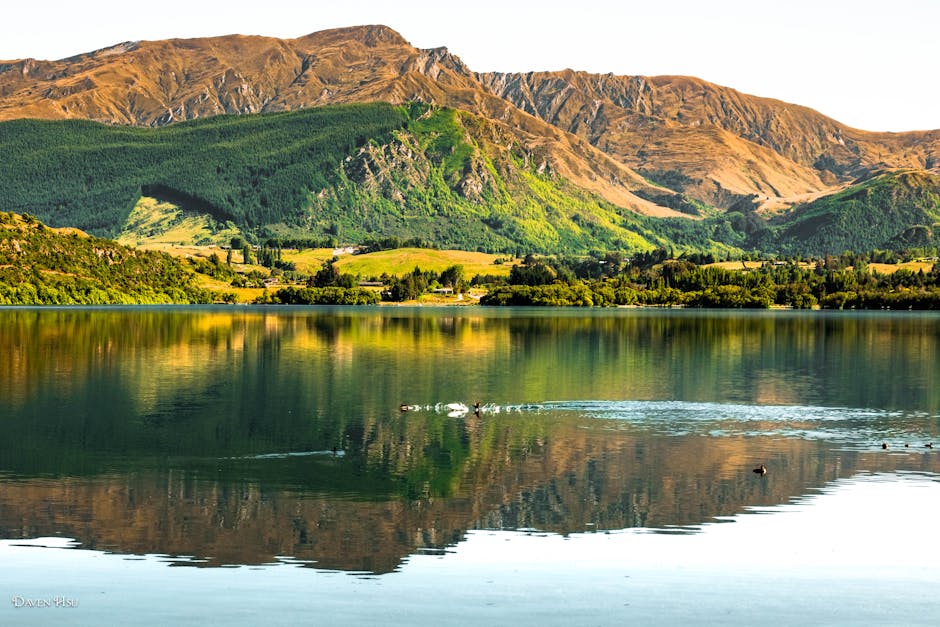
This 3 day lake taupo backpacking itinerary packs the best of Taupo into a tight but rewarding schedule. Three days is enough time to hike the famous Tongariro Alpine Crossing, soak in natural hot springs, visit the thundering Huka Falls, paddle to ancient Maori rock carvings, and still have time to enjoy Taupo’s lakefront atmosphere. This day-by-day guide covers exactly what to do, when to do it, how to get there, and what it costs — designed specifically for backpackers who want to maximise their time without breaking the budget. For full trip planning, see our Ultimate Backpacking Guide to Lake Taupo.
Itinerary Overview
This itinerary assumes you arrive in Taupo on the morning of Day 1 and depart on the evening of Day 3 or morning of Day 4. The schedule is designed to put the most physically demanding activity (the Tongariro Alpine Crossing) on Day 2, giving you Day 1 to settle in and Day 3 to recover while still seeing major attractions.
Day 1: Huka Falls, Spa Thermal Park hot springs, lakefront exploration, and sunset. Day 2: Tongariro Alpine Crossing — the big hike day. Day 3: Kayaking to the Maori Rock Carvings, Craters of the Moon, and farewell lakefront walk. Total estimated budget for three days: NZ$250–400 per person depending on season and activity choices.
Before You Arrive: Planning and Logistics
A little advance planning makes this itinerary run smoothly. Here is what to sort before you arrive in Taupo.
Getting to Taupo: InterCity buses connect Taupo to Auckland (4–5 hours, NZ$25–50), Rotorua (1 hour, NZ$12–25), Wellington (5–6 hours, NZ$30–55), and Napier (2 hours, NZ$15–30). If you are driving, Taupo sits at the intersection of State Highways 1 and 5, roughly in the centre of the North Island. The town is compact and walkable once you arrive — you do not need a car to enjoy this itinerary.
Accommodation: Book a hostel for three nights. Taupo has several excellent backpacker options. Finlay Jacks Backpackers sits right on the lakefront with stunning views. Rainbow Lodge offers a quieter, bush-surrounded experience. Taupo Urban Retreat is modern and central. Dorm beds range from NZ$25–40 depending on season. Book at least a few days ahead in summer — in winter, walk-ins are usually fine. For detailed accommodation advice, see our Where to Stay in Lake Taupo guide.
Tongariro Crossing shuttle: Book your Tongariro shuttle in advance, especially in summer. Companies like Tongariro Expeditions, Adrift Outdoors, and Great Lake Shuttles run daily services from Taupo (NZ$45–55 return). Most shuttles depart around 5:30–6:30 AM and pick up at the finish around 3–5 PM. Some companies will shift your booking by a day at no charge if weather conditions make the crossing unsafe — always check conditions the evening before.
What to pack: For this specific itinerary, you need hiking boots, a daypack, rain jacket, swimwear (for hot springs and kayaking), sunscreen, hat, and a reusable water bottle. For a complete gear list, see our Lake Taupo Packing List for Backpackers.
Day 1: Huka Falls, Hot Springs, and Lakefront Sunset
Morning: Arrive and Settle In (8:00 AM – 10:00 AM)
Arrive in Taupo and check into your hostel. Most hostels allow early bag drop even if your room is not ready yet. Get oriented — Taupo’s town centre runs along Lake Terrace and Tongariro Street, with the lake on one side and shops and cafes on the other. Grab breakfast at a cafe on Roberts Street or from the supermarket if you are watching your budget. Pick up any supplies you need: sunscreen, snacks, and a reusable water bottle if you do not have one.
Late Morning: Huka Falls Walk (10:00 AM – 12:30 PM)
Head to Huka Falls — the most visited natural attraction in New Zealand, and it is completely free. You have two options for getting there: walk the Huka Falls Track from Spa Thermal Park (about 1 hour, 4 km one way along the Waikato River — a beautiful and easy walk) or catch a ride to the Huka Falls car park and walk the short 5-minute track to the viewing platforms.
The recommended backpacker approach is to walk the full Huka Falls Track from town. The path follows the Waikato River upstream through native bush, passing crystal-clear blue pools and rapids, before arriving at the falls themselves. The Waikato River narrows from about 100 metres wide to just 15 metres before crashing over an 11-metre drop with incredible force — up to 220,000 litres per second. The water colour is an extraordinary milky turquoise. Spend time at the various viewing platforms for different perspectives. The main lookout directly above the falls is the most dramatic.
Cost: Free. Time needed: 1.5–2.5 hours including the walk. What to bring: Camera, water, sunscreen. The track is flat and easy — no hiking boots needed, trainers are fine.
Afternoon: Spa Thermal Park Hot Springs (1:00 PM – 3:00 PM)
After walking back along the Huka Falls Track, stop at Spa Thermal Park — one of Taupo’s best free attractions. Hot geothermal water flows from the Otumuheke Stream into the cold Waikato River, creating natural pools where you can find your perfect temperature by moving between the hot and cold water. The experience is completely free and available 24 hours a day.
The best spots are where the hot stream meets the river — you can sit in the stream and adjust your position to find the right mix of hot and cold. The water contains minerals that some people find therapeutic. Bring your swimwear and a towel. Old or dark-coloured swimwear is recommended, as the mineral-rich water can stain light fabrics over time. Jandals are useful for walking on the rocky banks.
If you prefer a more structured hot springs experience, Taupo DeBretts Hot Springs (NZ$30 adult entry) offers developed thermal pools, hydroslides, and private pools. It is a different experience — more resort-like compared to Spa Park’s wild, natural feel. Both are worthwhile, but for a budget backpacker itinerary, Spa Park wins on cost and authenticity.
Cost: Free (Spa Thermal Park) or NZ$30 (DeBretts). Time needed: 1–2 hours. What to bring: Swimwear, towel, jandals, water to drink.
Late Afternoon and Evening: Lakefront Walk and Sunset (4:00 PM – 8:00 PM)
Head back to the lakefront for a relaxed afternoon. Walk along the Lake Taupo foreshore — the path stretches from the boat harbour past Two Mile Bay and beyond. The lake is the largest in New Zealand by surface area (the size of Singapore) and on clear days you can see the snow-capped volcanic peaks of Tongariro, Ngauruhoe, and Ruapehu to the south. The Taupo sunset over the lake is regularly spectacular and worth timing your evening walk around.
For dinner, budget options include cooking at your hostel (supermarket ingredients cost a fraction of restaurant meals) or trying one of Taupo’s affordable eateries. Replete Cafe and The Storehouse are popular with locals and backpackers alike. Indian Affair offers generous portions at fair prices. If it is a Friday evening, check if the Taupo Night Market is running — local food stalls, crafts, and live music make for a great budget evening out.
Before bed, confirm your Tongariro Crossing shuttle for tomorrow. Check the weather forecast at MetService or the DOC website. Set your alarm early — shuttles typically depart Taupo around 5:30–6:30 AM.
Day 1 estimated cost: NZ$30–40 (hostel dorm) + NZ$15–25 (food) + NZ$0 (activities) = NZ$45–65 total.
Day 2: The Tongariro Alpine Crossing
Early Morning: Shuttle and Start (5:00 AM – 7:30 AM)
Your alarm goes off early — typically 4:30–5:00 AM. Most hostels can prepare an early breakfast pack or you can prepare one the night before. Grab your pre-packed daypack (which you should organise the evening before) and head to your shuttle pickup point. The drive from Taupo to the Mangatepopo car park (the start of the crossing) takes about 1 hour and 15 minutes.
Use the shuttle time to eat breakfast, review the trail notes, and mentally prepare. The shuttle driver will usually brief you on conditions and give you an estimated pickup time at the Ketetahi end.
The Crossing: Mangatepopo to Ketetahi (7:30 AM – 3:30 PM)
The Tongariro Alpine Crossing is 19.4 kilometres point-to-point and is consistently rated among the world’s best day hikes. Here is what each section involves:
Mangatepopo Valley (1.5 hours): A gentle start through tussock-covered valley. Relatively flat with boardwalks. This is where you warm up and find your pace. The volcanic landscape opens up ahead of you — Mount Ngauruhoe (the real-life “Mount Doom” from the Lord of the Rings films) dominates the skyline to your right.
The Devil’s Staircase (45 minutes): The steepest climb of the day. About 200 metres of elevation gain up a rocky zigzag trail. Take your time, drink water, and stop to look back at the valley below. This is where fitness matters most. Once at the top, the South Crater opens up — a vast, flat, otherworldly expanse.
South Crater to Red Crater Summit (45 minutes): Cross the flat South Crater and climb to the highest point of the crossing (1,886 metres). The landscape here is stark and volcanic — red and black scoria, steaming vents, and the smell of sulphur. On a clear day, the views are extraordinary.
Emerald and Blue Lakes (30 minutes): The iconic highlight. Looking down from Red Crater, the Emerald Lakes glow an almost impossible shade of green against the dark volcanic rock. The descent is steep and covered in loose scoria — poles are helpful here. Blue Lake appears shortly after. These are sacred to Ngati Tuwharetoa — do not touch or enter the water.
Central Crater to Ketetahi (2–3 hours): The long descent through tussock, then bush. The views over Lake Rotoaira and Lake Taupo in the distance are stunning. The track is well-formed but your knees will feel every step of the descent. The final section through native bush is peaceful and shaded — a welcome change after the exposed alpine sections.
Essential gear for the crossing: Hiking boots with ankle support, 2 litres of water minimum, packed lunch and snacks (there is nowhere to buy food on the trail), rain jacket and warm layers (weather can change in minutes at altitude), sunscreen and hat, first aid kit with blister treatment. Check the DOC website for current conditions before you go — the crossing can be closed due to volcanic activity or extreme weather.
Evening: Recovery (5:00 PM – 9:00 PM)
The shuttle returns you to Taupo by late afternoon. Your legs will be tired and you will be hungry. Head straight to your hostel for a shower. If your legs are aching, a visit to the Spa Thermal Park hot springs is genuinely therapeutic — the hot water soothes tired muscles remarkably well, and the walk from most hostels is short enough even on sore legs.
Treat yourself to a proper dinner tonight — you have earned it. A hearty meal at a restaurant is a justified splurge after eight hours of hiking. Alternatively, cook a big pasta dish at the hostel and swap stories with other backpackers in the common room. The post-Tongariro atmosphere in Taupo hostels is always buzzing with shared experiences.
Day 2 estimated cost: NZ$30–40 (hostel) + NZ$45–55 (shuttle) + NZ$20–35 (food) = NZ$95–130 total.
Day 3: Kayaking, Geothermal Wonders, and Farewell
Morning: Kayaking to the Maori Rock Carvings (8:00 AM – 12:00 PM)
Day 3 is designed as a recovery day — no steep climbs, but still packed with experiences. Start with the morning kayaking trip to Mine Bay and the Ngatoroirangi Maori Rock Carvings. Several operators run guided kayak tours from Taupo (Canoe and Kayak Taupo, Paddle Board Taupo), typically taking 3–4 hours including paddling time and stops.
The carvings stand over 14 metres high on a sheer rock face accessible only from the water. Carved in the late 1970s by master carver Matahi Brightwell, they depict Ngatoroirangi — a Maori navigator who guided the Tuwharetoa and Te Arawa tribes to the Taupo region centuries ago. The scale and setting are genuinely impressive, especially from water level in a kayak.
The paddle itself is beautiful — hugging the western shore of the lake past cliffs, bays, and native bush. Your guide provides commentary on Maori history and the volcanic geology of the lake. Even if your arms are slightly sore from yesterday’s hike, the paddling is gentle and manageable. On calm days, the lake is like glass and the reflections of the cliffs in the water are stunning.
If kayaking is not for you (or if the lake is too rough — conditions can change), alternatives include a scenic cruise to the rock carvings (NZ$45–55, 1.5 hours) or the Sail Barbary catamaran trip. These are less active but still reach the carvings and provide excellent commentary.
Cost: NZ$75–110 (guided kayak tour) or NZ$45–55 (cruise). Time needed: 3–4 hours. What to bring: Swimwear (you may get splashed), sunscreen, hat, water, snack. Operators provide kayaks, paddles, and life jackets.
Afternoon: Craters of the Moon (1:00 PM – 2:30 PM)
After lunch (hostel cooking or a quick cafe meal), visit Craters of the Moon — a geothermal walkway just north of Taupo. The 45-minute loop track winds through a landscape of steaming vents, bubbling mud pools, and collapsed craters. The area was created in the 1950s when the Wairakei geothermal power station altered underground water levels, causing the ground surface to sink and new thermal activity to emerge.
The boardwalk is easy and flat — perfect for post-hike legs. Steam rises from the ground in dozens of spots, and on cool days the entire area is wreathed in mist. The sulphur smell is noticeable but not overwhelming. Entry costs NZ$8 for adults and the site is self-guided. Allow about 45 minutes to an hour for the full loop. The experience gives you an up-close encounter with Taupo’s volcanic geology without requiring any physical effort.
Getting there: Craters of the Moon is about 5 kilometres north of Taupo town centre on Karapiti Road. You can cycle there easily (some hostels have free bikes), or it is a 10-minute drive. There is no regular public bus, but some hostels can arrange transport or you can share a ride with other backpackers.
Cost: NZ$8. Time needed: 45 minutes to 1 hour. What to bring: Camera, closed shoes (not jandals — the boardwalk is fine but the car park can be muddy).
Late Afternoon: Farewell Lakefront and Departure (3:00 PM – 6:00 PM)
Spend your final afternoon soaking up Taupo’s relaxed lakefront atmosphere. Walk along the waterfront to Two Mile Bay or simply sit on the grassy banks near the boat harbour and watch the world go by. If you missed the hot springs on Day 1, this is your last chance. If you are a keen angler, a quick session casting from the lakefront is free (with a valid Taupo fishing licence — NZ$12.50 for a day licence).
For a last treat, grab a gelato from one of the lakefront cafes or pick up a pie from one of Taupo’s bakeries — the humble New Zealand meat pie is a backpacker staple and Taupo has some good ones. If you have time before your evening bus or drive out, the Taupo Museum on Story Place is free and offers a surprisingly good exhibition on the volcanic history of the region, including the Taupo eruption of 186 AD — one of the most violent volcanic events in recorded history.
Day 3 estimated cost: NZ$30–40 (hostel) + NZ$75–110 (kayak) + NZ$8 (Craters of the Moon) + NZ$20–30 (food) = NZ$133–188 total.
Total 3-Day Budget Breakdown
Here is a realistic budget summary for the full three days:
Accommodation (3 nights): NZ$75–120 (hostel dorm at NZ$25–40 per night depending on season).
Food (3 days): NZ$55–90 (mix of self-catering and occasional cafe meals).
Activities: Huka Falls (free) + Spa Thermal Park (free) + Tongariro shuttle (NZ$45–55) + kayak tour (NZ$75–110) + Craters of the Moon (NZ$8) = NZ$128–173.
Transport to/from Taupo: Varies by origin. InterCity from Auckland NZ$25–50 each way, from Rotorua NZ$12–25 each way.
Total (excluding transport to Taupo): NZ$258–383 for three days. The biggest variable is the kayak tour — if you swap it for a scenic cruise (NZ$45–55) or skip it entirely, you can bring the total under NZ$250. For more budget tips, see our Budget Breakdown: Daily Costs guide.
Alternative Activities and Bad Weather Backup
New Zealand weather is unpredictable, and the Tongariro Alpine Crossing can be closed due to weather or volcanic activity. Here are backup options and alternatives to swap into your itinerary.
If the Tongariro Crossing is cancelled: Most shuttle companies will shift your booking by a day at no extra charge. If you cannot wait, alternatives include the Taranaki Falls Track in Tongariro National Park (2 hours return, much shorter but still scenic) or the Huka Falls to Aratiatia Rapids walk (about 3 hours return) which passes through beautiful riverside scenery and ends at the dramatic Aratiatia Dam — where the river is released through a narrow gorge several times daily.
Rainy day options: Taupo Museum (free, excellent volcanic history exhibits), Lava Glass (free to browse their glassblowing gallery), Hole in One challenge at the lakefront (NZ$5 per attempt to hit a floating green — fun even in light rain), or simply enjoy a long session in the hot springs — rain actually makes the experience better when you are already soaking in hot water.
Adventure activities (if budget allows): Skydiving over Lake Taupo (from NZ$299 — one of the most scenic skydive locations in the world), bungy jumping at Taupo Bungy (NZ$185), jet boating on the Waikato River (NZ$109–139), or white-water rafting on the Tongariro River (NZ$99–139). These are splurge activities but can make a 3-day Taupo trip truly unforgettable.
Free alternatives: Walk the Great Lake Walkway along the lakeshore (8 km one way, flat and scenic), explore the Waikato River trails, swim at any of the lake beaches (Two Mile Bay and Acacia Bay are popular), or find the free public BBQs at Wharewaka Point for a lakeside cook-up.
Where to Eat on a Budget
Eating well on a backpacker budget in Taupo is straightforward. Self-catering from the supermarket is the cheapest option — Pak’n Save on Ruapehu Street has the lowest prices, Countdown on Tongariro Street is more central. Stock up on breakfast supplies (bread, peanut butter, fruit, oats), lunch ingredients (wraps, cheese, deli meats, hummus), and dinner basics (pasta, rice, sauce, vegetables). Budget NZ$10–15 per day for self-catered meals.
For eating out, Replete Cafe serves excellent brunch at reasonable prices. The Storehouse has generous portions and a good vibe. Suncourt Food Court in the mall offers cheap Asian options. Indian Affair is consistently recommended by backpackers for generous, affordable curries. For a quick lunch, bakeries like Wild Flour sell meat pies, sausage rolls, and sandwiches from NZ$5–8. For the Friday Night Market, budget NZ$12–18 for a food stall meal.
Seasonal Adjustments to This Itinerary
This itinerary works year-round with some seasonal modifications. For detailed seasonal guidance, see our Best Time to Visit Lake Taupo guide.
Summer (December–February): The itinerary runs as described. Book accommodation and the Tongariro shuttle well ahead. Add lake swimming to Day 1 or Day 3. Sunscreen and hydration are critical on Day 2.
Autumn (March–May): Perfect conditions. Fewer crowds, lower prices, and the landscape is beautiful in autumn colours. The Tongariro Crossing is usually open until late April. Evening temperatures drop, so pack warmer layers for post-hike recovery.
Winter (June–August): The Tongariro Alpine Crossing requires alpine experience, crampons, ice axes, and ideally a guide in winter. Replace Day 2 with a guided winter crossing (NZ$200–300) or substitute with a day trip to the Whakapapa ski field (NZ$80–110 for a day pass plus hire). Hot springs become even more enjoyable in cold weather.
Spring (September–November): Weather is unpredictable but prices are low. The Tongariro Crossing reopens for unguided hiking from late October (check DOC). Kayaking operates year-round but is weather-dependent — have a backup plan.
Frequently Asked Questions
Is 3 days enough for Lake Taupo?
Three days is enough to experience Taupo’s main highlights — the Tongariro Alpine Crossing, Huka Falls, hot springs, and a lake activity. You will leave wanting more, which is a good sign. If you have more time, our 5-Day Itinerary adds mountain biking, fishing, and more relaxation time.
Do I need to be fit for this itinerary?
Day 2 (the Tongariro Alpine Crossing) requires a reasonable level of fitness. The crossing involves significant uphill climbing (about 800 metres elevation gain) and a long day on your feet (6–8 hours). If you walk regularly and can handle a full day of hiking, you will be fine. Days 1 and 3 are physically easy. If you are not confident about the crossing, book a guided trip — guides set a manageable pace and handle navigation.
Can I do this itinerary without a car?
Yes. Taupo town is walkable, and the Tongariro Crossing shuttle handles Day 2 transport. For Craters of the Moon on Day 3, you can cycle (some hostels have free bikes), share a ride, or ask your hostel to help arrange transport. The only potential challenge is getting to Taupo itself — InterCity buses connect to all major North Island cities.
What if the Tongariro Crossing is closed on Day 2?
If weather or volcanic activity closes the crossing, most shuttle companies will reschedule at no cost. If you cannot wait, swap Day 2 for a combination of the Aratiatia Rapids walk, an adventure activity (jet boating or white-water rafting), and extra time at the geothermal attractions. The crossing closure is your biggest planning risk — building one flexible day into your schedule helps, which is why we recommend arriving a day before you plan to start this itinerary if possible.
How much should I budget for 3 days in Taupo?
A realistic backpacker budget is NZ$260–380 for three days excluding transport to and from Taupo. The biggest costs are accommodation (NZ$75–120), the Tongariro shuttle (NZ$45–55), and the kayak tour (NZ$75–110). Self-catering meals, free attractions like Huka Falls and hot springs, and choosing a cruise over kayaking can bring the total under NZ$250.
Final Thoughts
This 3-day Lake Taupo backpacking itinerary gives you the essential Taupo experience without wasting a single day. You get the world-class Tongariro Alpine Crossing, the raw beauty of Huka Falls and geothermal Taupo, the cultural significance of the Maori Rock Carvings, and the simple pleasure of soaking in natural hot springs under an open sky. Three days in Taupo is a powerful argument for why this region deserves a place on every North Island backpacking route. For the full planning picture, head back to our Ultimate Backpacking Guide to Lake Taupo.
Leave a Reply