Figuring out how to plan a backpacking trip to Lake Taupo might feel overwhelming at first — there are volcanoes to hike, hot springs to soak in, and a lake the size of Singapore to explore. But the truth is that Taupo is one of the most backpacker-friendly destinations in New Zealand, and with a bit of planning you can experience everything the region offers without burning through your savings. This guide walks you through every step of planning your trip, from setting your budget and choosing the right season to booking accommodation, sorting transport, and building a day-by-day plan that hits all the highlights. For the complete overview of backpacking in the region, check out our Ultimate Backpacking Guide to Lake Taupo.
Why Lake Taupo Belongs on Every Backpacker’s Itinerary
Lake Taupo sits almost exactly in the centre of New Zealand’s North Island, which makes it a natural stopover on any road trip or bus route between Auckland and Wellington. But calling it a “stopover” sells the place short. The lake itself — Australasia’s largest freshwater lake — fills the caldera of a supervolcano that last erupted around 1,800 years ago in what was one of the most powerful eruptions in recorded human history. The surrounding landscape is a playground of geothermal valleys, native bush trails, rushing rivers, and snow-capped volcanic peaks.
For backpackers specifically, Taupo delivers an unusual combination: genuinely world-class natural attractions, many of which are completely free, alongside a compact town centre with affordable hostels, cheap eats, and a social backpacker scene. You can hike the Tongariro Alpine Crossing (regularly voted one of the world’s best day hikes), soak in free hot springs at Spa Thermal Park, watch 220,000 litres of water per second thunder over Huka Falls, and kayak past ancient Maori rock carvings — all within a few days and without spending a fortune.
Step 1: Set Your Budget Before You Book Anything
The single most important step in planning a backpacking trip to Lake Taupo is getting realistic about money. New Zealand is not a cheap country, and activities like skydiving or jet boating can chew through hundreds of dollars in an afternoon. But Taupo actually offers more free and low-cost experiences than almost anywhere else in the country, so a well-planned budget backpacker can have an incredible time without spending big.
Daily Budget Breakdown for Taupo
Here is what you can realistically expect to spend per day in Taupo as a backpacker in 2026:
Shoestring Budget (NZ$60–80/day): You are staying in hostel dorms (NZ$25–40/night), cooking most meals in hostel kitchens using supermarket groceries (NZ$15–20/day for food), walking or hitchhiking to get around, and sticking to free activities like Huka Falls, Spa Park hot springs, the Great Lake Walkway, and Craters of the Moon (NZ$10 entry). This budget works if you are disciplined about avoiding paid adventures.
Comfortable Backpacker (NZ$100–150/day): You are in a hostel dorm or occasionally a private room (NZ$30–65/night), eating a mix of hostel cooking and cheap cafe meals (NZ$25–40/day for food), using InterCity buses or shared shuttles for transport, and doing one or two paid activities during your stay — maybe a Tongariro Crossing shuttle (NZ$45–55) or kayaking to the Maori rock carvings (NZ$60–90).
Mid-Range Backpacker (NZ$150–250/day): You are mixing hostel privates with the occasional budget motel (NZ$65–120/night), eating out at cafes and restaurants regularly (NZ$40–60/day), renting a car for flexibility, and doing premium activities like skydiving (NZ$299–449) or Hukafalls Jet (NZ$145). At this budget you can comfortably do everything Taupo has to offer in three to five days.
For a detailed cost breakdown covering every category, read our Lake Taupo Backpacker Budget Breakdown.
Step 2: Choose the Right Season for Your Trip
When you visit Lake Taupo dramatically affects your experience, your budget, and which activities are available to you. Each season brings distinct advantages and trade-offs.
Summer (December to February)
Summer is peak season and for good reason — daily temperatures sit between 20°C and 28°C, the lake is warm enough for swimming, and daylight stretches past 9pm. This is the best time for water activities, swimming, and the Tongariro Alpine Crossing (which is snow-free). The downside is that accommodation prices peak, hostels fill up, and popular attractions get crowded. Book hostel beds and Tongariro shuttles at least two weeks ahead during January and February.
Autumn (March to May)
Autumn is arguably the best season for budget backpackers. Temperatures remain pleasant (12°C–22°C in March, cooling to 8°C–15°C by May), crowds thin out noticeably, and accommodation prices drop by 20–30% compared to summer. The autumn colours around the lake are stunning, and most activities are still running. March and early April are particularly sweet spots — warm enough for lake swimming but without the summer crowds. The Tongariro Crossing is usually still accessible until late April, though snow can arrive earlier some years.
Winter (June to August)
Winter in Taupo means cold mornings (temperatures can drop below 0°C), frost on the ground, and snow on the surrounding mountains. The Tongariro Alpine Crossing becomes a serious alpine route requiring crampons and ice axes — not a casual day hike. However, winter has its own appeal: accommodation is at its cheapest, the hot springs feel even more magical when the air is cold, and the volcanic landscape takes on a moody, dramatic atmosphere. If you are not planning to hike Tongariro and you want the cheapest possible trip, winter works well.
Spring (September to November)
Spring is another shoulder season gem. Temperatures climb from 10°C to 18°C, gardens and native bush come alive with new growth, and accommodation prices remain reasonable. The Tongariro Crossing typically reopens for casual hikers around late October or November (check conditions at doc.govt.nz). Spring can be wet, so bring waterproof gear and expect the occasional rained-out day. For a deeper dive into seasonal timing, read our Best Time to Visit Lake Taupo for Backpackers guide.
Step 3: Sort Your Transport to Taupo
Getting to Taupo is straightforward regardless of your budget. Here are the main options:
InterCity Bus
InterCity is the main bus network in New Zealand and connects Taupo to Auckland (roughly 4.5–5 hours, NZ$15–45 depending on when you book), Rotorua (1–1.5 hours, NZ$12–25), Wellington (5–6 hours, NZ$20–50), and most other major towns. Book online early for the cheapest fares — InterCity uses dynamic pricing, so prices rise as seats fill. The FlexiPass is worth considering if you are travelling around the North Island: you buy a block of hours and use them as you go, which often works out cheaper than individual tickets.
Rental Car or Campervan
If you are travelling with friends, renting a car and splitting costs can be cheaper than individual bus tickets and gives you far more flexibility. Compact car rentals start from around NZ$35–50/day from Auckland or Rotorua. Campervans are another popular option — they combine transport and accommodation in one, and Taupo has several freedom camping spots and holiday parks with powered sites. Check our Auckland to Taupo transport guide for detailed route comparisons.
Hitchhiking
Hitchhiking is legal in New Zealand and Taupo sits on State Highway 1, so you will see backpackers with their thumbs out on the main roads. Success rates are generally good, especially on the Auckland–Taupo route. That said, wait times vary and it helps to stand in a safe, visible spot where cars can easily pull over.
Getting Around Taupo Without a Car
Once in Taupo, the town centre is compact and walkable. Most hostels, restaurants, and shops sit along a few blocks of the main drag (Tongariro Street and Lake Terrace). For attractions outside town — Huka Falls, Craters of the Moon, Orakei Korako — you will need a shuttle, bike, or hitchhiking strategy. Many hostels run their own shuttle services to popular spots, and several activity operators offer free pickup from accommodation. For the Tongariro Alpine Crossing, dedicated shuttle services run daily during season from around NZ$45–55 return.
Step 4: Book Your Accommodation
Taupo punches above its weight for backpacker accommodation. For a small town it has a surprisingly good range of hostels, and there are plenty of camping options too.
Hostels
Dorm beds in Taupo range from NZ$25 to NZ$45 per night depending on the hostel and season. Some of the most popular backpacker hostels include Finlay Jack’s Backpackers (a long-running favourite with a social atmosphere and free spa pool), Haka House Taupo (modern, clean, and part of a reliable chain), and Adventure Lodge & Motel (which organises group activities and shuttle services). Private rooms in hostels typically run NZ$65–100 per night. Book directly with hostels when possible — they often have better rates than booking platforms, and some offer multi-night discounts. For full reviews, check our Best Backpacker Hostels in Taupo guide.
Camping and Holiday Parks
If you are travelling by car or campervan, camping is the cheapest option. DOC (Department of Conservation) campsites near the lake charge NZ$8–15/night for basic facilities (toilets, sometimes running water, no power). Commercial holiday parks like Taupo Top 10 or All Seasons Holiday Park charge NZ$20–45/night for powered sites and offer hot showers, kitchens, and laundry. Freedom camping is possible in some designated areas around Taupo, though rules are strict and fines are hefty if you camp in the wrong spot — always check the CamperMate app or local i-SITE for current rules. See our Freedom Camping in Taupo guide for details.
How Far Ahead Should You Book?
During peak summer (late December through February), book hostels at least one to two weeks in advance, and Tongariro shuttles several days ahead. During shoulder and off seasons, you can usually get away with booking a day or two ahead, or even walking in. For long weekends and New Zealand public holidays, always book early — Taupo is a popular domestic getaway and accommodation fills fast.
Step 5: Plan Your Must-Do Activities
One of the best things about Taupo is the sheer variety of things to do. Here is a breakdown of the essential experiences, split into free and paid, to help you prioritise.
Free and Cheap Activities
Huka Falls: An absolute must-see. The Waikato River — New Zealand’s longest — narrows from 100 metres to just 15 metres wide before plunging 11 metres over a cliff. The result is 220,000 litres of water per second thundering through a turquoise gorge. Free to visit, and the walking trail from Spa Park to Huka Falls is a beautiful 4km riverside walk through native bush.
Spa Thermal Park Hot Springs: Where the hot Otumuheke Stream meets the cold Waikato River, you can soak in naturally heated water surrounded by bush — completely free. Arrive early or late to avoid crowds, and bring your own towel. This is one of the most magical free experiences in all of New Zealand.
Great Lake Walkway: A flat, paved, 5km path along the Taupo lakefront from the town centre to Five Mile Bay. Perfect for a morning jog, sunset walk, or just a wander with views across the lake to the distant volcanoes. Free.
Craters of the Moon: An active geothermal field with boardwalks winding between steaming craters, mud pools, and fumaroles. Entry is NZ$10 for adults — a fraction of what similar geothermal parks charge in Rotorua. The 45-minute loop walk is easy and fascinating.
Aratiatia Rapids: A dam releases water into a narrow gorge several times daily, creating a dramatic torrent. Free to watch from the viewing platforms above. Check release times (usually 10am, 12pm, 2pm, and 4pm in summer; 10am, 12pm, 2pm in winter).
Lake Taupo Foreshore and Town: Wander along the lakefront, check out the small but interesting Taupo Museum (free entry), browse the craft shops, and find the “Hole in One” challenge — a floating platform on the lake where you try to hit a golf ball onto a green. Watching others attempt it is entertainment enough.
Paid Activities Worth the Splurge
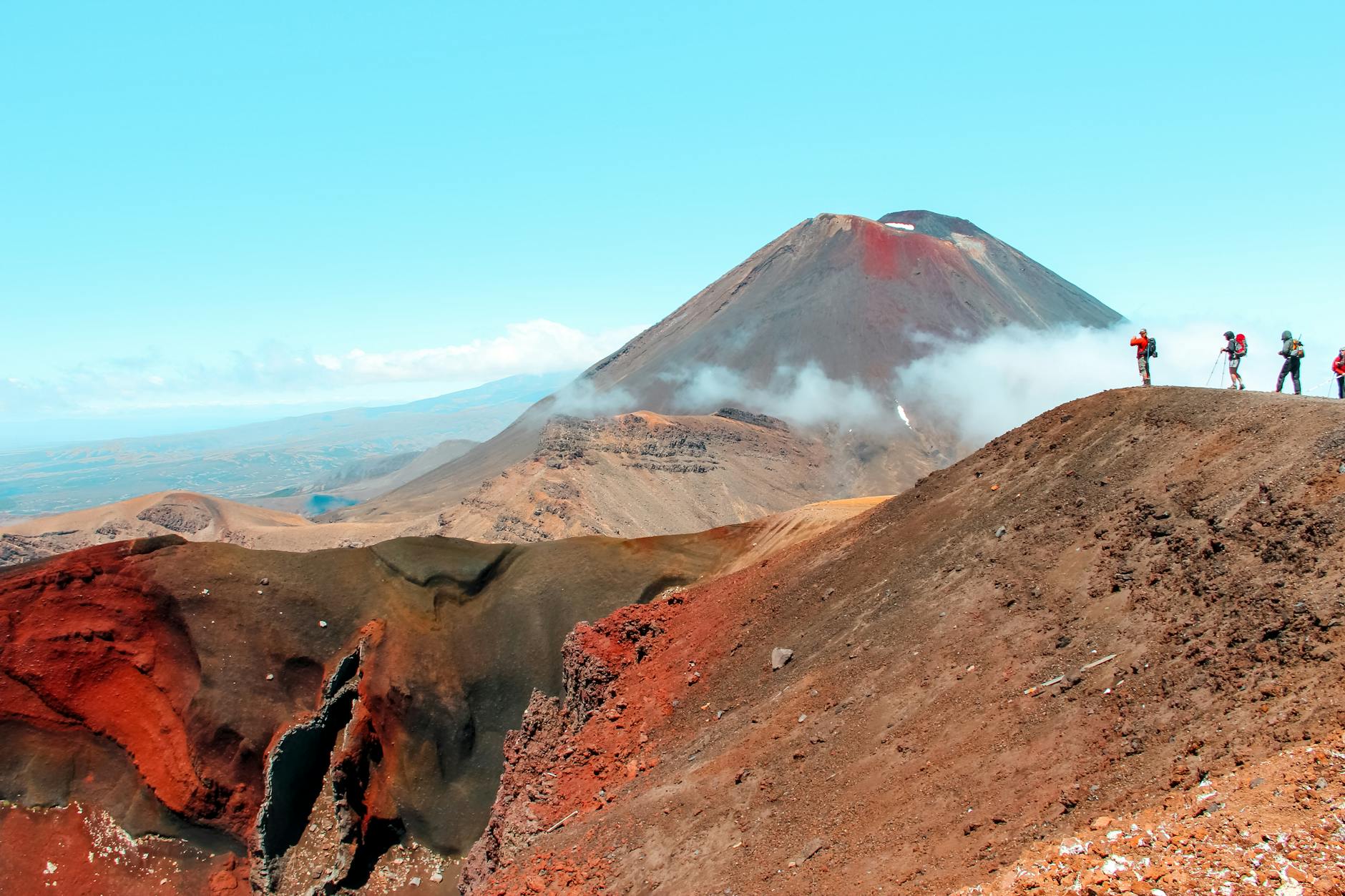
Tongariro Alpine Crossing: This 19.4km one-way hike through the volcanic heart of the North Island is consistently rated one of the world’s top day walks. You will cross active volcanic terrain, walk past emerald lakes and steaming vents, and see landscapes that look like another planet. The hike itself is free (no permit required), but you need a shuttle to and from the trailhead — budget NZ$45–55 return from Taupo. Allow 6–8 hours for the crossing. Read our Tongariro Alpine Crossing Guide for everything you need to know.
Kayaking to the Maori Rock Carvings: Guided kayak tours paddle across Mine Bay to reach a 14-metre-high carving of Ngatoroirangi sculpted into the rock face. The paddle takes 3–4 hours and costs around NZ$60–90 per person. It is one of the most unique cultural-meets-adventure experiences in the country.
Skydiving: Taupo is the skydiving capital of New Zealand, with multiple operators offering tandem jumps from 12,000 to 18,500 feet. Prices range from NZ$299 to NZ$449 depending on altitude. The views of the lake, volcanoes, and farmland below are incredible. If skydiving is on your bucket list, this is one of the cheapest and most scenic places in the world to do it.
Hukafalls Jet: A 30-minute jet boat ride that spins and speeds through the narrow canyon below Huka Falls. At NZ$145 per adult it is not cheap, but the combination of speed, scenery, and getting up-close to the falls makes it a memorable experience.
Orakei Korako: Often called the “Hidden Valley,” this geothermal park 25 minutes north of Taupo is accessed by boat across Lake Ohakuri. It has the largest silica terrace formation in New Zealand, plus geysers, boiling pools, and a cave with an underground hot pool. Entry is NZ$48 for adults. It is more impressive and less crowded than many of the Rotorua options.
Step 6: Build Your Day-by-Day Plan
How many days you spend in Taupo depends on your pace and budget, but most backpackers find three to five days ideal. Here is a flexible framework:
If You Have 3 Days
Day 1: Arrive and settle in. Walk the Great Lake Walkway for lakefront views. Head to Spa Thermal Park for a free hot spring soak in the afternoon. Explore Taupo town — grab supplies from Pak’nSave or Countdown for hostel cooking. Wander the lakefront at sunset.
Day 2: Tongariro Alpine Crossing — your big adventure day. Catch the early shuttle (5:30–7am depending on operator), hike the 19.4km crossing (6–8 hours), and return to Taupo exhausted but elated. Reward yourself with a hot dinner in town.
Day 3: Recovery day with lighter activities. Walk or cycle from Spa Park to Huka Falls (4km each way). Visit Craters of the Moon (NZ$10). Watch the Aratiatia Rapids dam release. If energy allows, kayak to the Maori Rock Carvings in the afternoon.
For the complete day-by-day breakdown, see our 3-Day Lake Taupo Backpacking Itinerary.
If You Have 5 Days
Add a day trip to Orakei Korako or the Wairakei geothermal area, plus a day for an adventure activity (skydiving, bungy, or jet boating) or a relaxed mountain biking session on the Great Lake Trail. Five days lets you experience Taupo without rushing and leaves time for rainy-day flexibility. Check out our 5-Day Lake Taupo Backpacking Itinerary for the full plan.
If You Have 7 Days
A full week lets you do everything at a relaxed pace and add day trips to Rotorua (1 hour away), explore the lesser-known Western Bays, hike Mount Tauhara for panoramic views, fish for trout (Taupo is a world-class trout fishing destination), and spend a day cycling the Waikato River trails. See our 7-Day Lake Taupo and Surrounds Itinerary.
Step 7: Pack Smart for Taupo’s Weather
Taupo weather is famously unpredictable. You can experience four seasons in a single day — blazing sunshine in the morning, rain by lunch, wind in the afternoon, and a stunning calm sunset. The key is layering.
Essential Packing Items for Taupo
Waterproof jacket: Non-negotiable. A lightweight, breathable rain jacket that packs small is ideal. You will use it more than you expect, even in summer.
Sturdy hiking boots or shoes: Essential if you are doing the Tongariro Crossing or any of the bush walks. Trails can be muddy, rocky, and uneven. Break in your boots before the trip.
Layering clothing: A merino wool base layer, a fleece mid-layer, and your waterproof outer layer will cover you in almost any condition. Cotton dries slowly and chills you when wet — avoid it for active days.
Swimsuit and towel: For hot springs, lake swimming, and hostel hot tubs. A quick-dry travel towel saves pack space.
Sunscreen and sunhat: New Zealand has some of the highest UV levels in the world thanks to the thinner ozone layer. You can burn in 15 minutes on a clear day, even in autumn. Wear SPF50+ and reapply often.
Reusable water bottle: Taupo tap water is safe and excellent quality. Refilling a bottle saves money and reduces plastic waste. A 1-litre bottle is ideal for day hikes.
Insect repellent: Sandflies can be vicious near the lake and rivers, especially at dawn and dusk. A DEET-based repellent or icaridin formula keeps them at bay.
For the comprehensive packing checklist with seasonal variations, check our Lake Taupo Packing List for Backpackers.
Step 8: Understand the Food Situation
Eating in New Zealand is expensive by global standards, and Taupo is no exception — a pub meal or restaurant dish will typically cost NZ$18–30. But there are plenty of ways to eat well on a backpacker budget.
Supermarkets
Pak’nSave (the cheapest supermarket chain in NZ) and Countdown are both in Taupo. Stock up on basics like pasta, rice, canned goods, bread, and seasonal fruit. Budget around NZ$10–15 per day if you cook all your meals. Most hostels have well-equipped kitchens with stovetops, ovens, fridges, and basic utensils.
Cheap Eats
For the days you want someone else to cook, look for lunch specials at cafes (NZ$10–15), bakeries for pies and sausage rolls (NZ$5–7), and Asian takeaways for noodle and rice dishes (NZ$10–14). The Taupo Night Market (Fridays during summer) is a great option for affordable international street food. See our Best Cheap Eats in Taupo for Backpackers guide.
Drinking Water
Taupo tap water is safe and free. Do not waste money on bottled water. Fill your bottle at any tap, hostel, or public drinking fountain.
Step 9: Stay Safe and Informed
Taupo is a very safe destination, but like anywhere in New Zealand, there are a few things backpackers should be aware of.
Weather and Natural Hazards
Mountain weather changes fast, especially on the Tongariro Crossing. Always check the MetService forecast and DOC track conditions before heading out. The DOC website and local i-SITE can advise on track closures and conditions. Taupo sits on a supervolcano, and the region is geothermally active — stick to marked paths in thermal areas, as the ground can be dangerously thin over boiling water or steam.
Water Safety
Lake Taupo is enormous and water conditions can change quickly. Swimming is generally safe at sheltered bays and beaches (Acacia Bay, Wharewaka Point, Two Mile Bay), but always check for currents and wind conditions. The Waikato River has strong currents in places — do not swim outside designated areas. Hot springs and geothermal streams can be scalding — always test the temperature before getting in.
Valuables and Security
Car break-ins at trailhead car parks are an occasional problem across New Zealand, including at the Tongariro Crossing car parks. Do not leave valuables visible in your car. Use hostel lockers for passports and electronics. Taupo town itself is very safe for walking around, including at night.
For more detailed safety advice, see our Safety Tips for Backpackers in Taupo guide.
Step 10: Plan Your Onward Journey
Taupo sits at a natural crossroads on the North Island, making it easy to continue your trip in several directions. From Taupo, most backpackers head to Rotorua (1 hour north, for more geothermal attractions and Maori cultural experiences), Tongariro National Park and Whakapapa ski field (1 hour south), Napier and the Hawke’s Bay wine region (1.5 hours east), or continue on to Wellington (5–6 hours south). InterCity buses run daily to all these destinations. If you are heading south, consider breaking the journey in Turangi — a smaller, quieter town at the southern end of the lake that is the gateway to the Tongariro Crossing and famous for trout fishing on the Tongariro River.
Practical Planning Checklist
Here is a quick-reference checklist to work through as you plan your trip:
2–4 weeks before: Book your hostel or campsite (especially for summer travel). Book your InterCity bus or arrange car rental. If doing the Tongariro Crossing, book your shuttle.
1 week before: Check weather forecasts for your travel dates. Download offline maps of the Taupo area (Google Maps or Maps.me). Download the CamperMate app if freedom camping. Confirm all bookings.
Day before arrival: Check DOC track conditions if hiking. Charge all devices. Pack your daypack with layers, rain gear, sunscreen, water bottle, and snacks.
On arrival: Visit the Taupo i-SITE visitor centre on Tongariro Street for free maps, local tips, and activity bookings. Stock up on groceries at Pak’nSave. Settle into your hostel and plan your first full day.
Frequently Asked Questions
How many days do I need in Lake Taupo?
Most backpackers find three to five days ideal. Three days covers the essential highlights (Tongariro Crossing, Huka Falls, hot springs, lakefront), while five days allows for day trips, adventure activities, and a more relaxed pace. If you are on a tight schedule, two days is possible but feels rushed.
Is Lake Taupo expensive for backpackers?
Taupo is moderately priced by New Zealand standards. A shoestring backpacker can get by on NZ$60–80 per day by staying in dorms, cooking meals, and sticking to free activities. Many of Taupo’s best experiences — Huka Falls, Spa Park hot springs, the Great Lake Walkway, Aratiatia Rapids — are completely free.
Do I need a car to explore Lake Taupo?
No. Taupo town is walkable, and shuttles or hostel transport cover most attractions outside town. However, a car gives you much more flexibility for visiting attractions like Orakei Korako, the Aratiatia Rapids, and the Tongariro area. If you are travelling with others, splitting a rental car is often cheaper and more convenient than shuttles.
Can I do the Tongariro Crossing without a guide?
Yes, the Tongariro Alpine Crossing is unguided and no permit is required. You just need a shuttle to the start and end points (it is a one-way hike). However, you need to be reasonably fit, carry appropriate gear (warm layers, rain gear, food, water), and check weather conditions before setting out. In winter, the crossing becomes an alpine route requiring crampons, ice axes, and mountaineering experience — a guided option is recommended for winter attempts.
What is the best free activity in Taupo?
The hot springs at Spa Thermal Park are hard to beat — soaking in naturally heated water surrounded by native bush, right next to the Waikato River, is a genuinely magical experience that costs nothing. Huka Falls is a close second for sheer spectacle.
Final Thoughts
Planning a backpacking trip to Lake Taupo does not need to be complicated. The region is compact, well-connected, and loaded with experiences that suit every budget — from free natural wonders to world-class adventure activities. The key is choosing the right season for your priorities, booking accommodation early during peak periods, and balancing splurge-worthy paid activities with the many incredible free experiences available. With this guide and the resources linked throughout, you have everything you need to plan a trip that makes the most of this extraordinary part of New Zealand. For the complete picture, head back to our Ultimate Backpacking Guide to Lake Taupo.
Leave a Reply